If there’s one trait nearly every dog lover admires most, it’s loyalty — and few breeds embody it quite like the Boxer dog. Energetic, affectionate, and protective, Boxers aren’t just pets; they become devoted companions who remain by your side through thick and thin. But what scientifically explains this incredible loyalty? Is it just affection, or is there deeper biology, psychology, and evolution at work?
In this comprehensive article, we’ll explore:
-
The evolutionary roots of canine loyalty
-
The biological science behind bonding
-
Why Boxers, in particular, are known for their loyalty
-
How loyalty shows up in behavior
-
What owners can do to strengthen that bond
… and much more!
Plus, you’ll find two informative videos and plenty of trustworthy links to reputable sources so you can dive deeper.

🧠 What Is “Loyalty” in Dogs — Science Says It’s More Than Just Affection
🐺 Origins in Pack Instincts & Evolution
To understand loyalty, we have to begin at the beginning — with evolution. Dogs are descendants of wolves, animals that lived in tight social groups called packs where cooperation and trust were key to survival. This pack mentality didn’t disappear when humans domesticated dogs; it adapted. Modern dogs often view their human families as their “pack,” instinctively loyal to those they depend on. Encyclopedia Britannica+1
According to scientific explanations, this evolutionary history increased social intelligence and bonding behaviors over thousands of years, especially in domesticated breeds. Early dogs that were more loyal and cooperative with people were more likely to be kept, fed, and reproduced, reinforcing these traits genetically. Encyclopedia Britannica
🧬 The Biology of Bonding: Oxytocin and Attachment
When you look into a dog’s eyes and smile, something powerful happens biologically. Interaction between humans and dogs — especially positive engagement like petting, playing, or close eye contact — triggers a release of oxytocin in both species. Oxytocin is often called the “love hormone” because it’s associated with trust, bonding, and social connection. Dogster+1
Several studies have shown that:
-
Oxytocin increases in dogs when they interact positively with their owners
-
Dogs display behaviors similar to attachment in infants
-
This shared chemistry fosters emotional bonds and strengthens loyalty
The hormonal feedback loop between human and dog isn’t just poetic — it’s biological.
🧠 Emotional Intelligence: Reading Human Signals
Dogs appear to understand more about human emotions than many other animals. Research suggests they can:
-
Read facial expressions
-
Recognize emotional cues in voices
-
Respond empathetically when humans are sad or stressed
This emotional responsiveness allows dogs — including Boxers — to connect deeply with their humans, enhancing loyalty over time. Furric
🐾 What Makes Boxers Especially Loyal?
While all dogs can form strong bonds with humans, Boxers tend to show loyalty in especially noticeable ways. Several breed‑specific traits help explain why:
🐕 1. Deep Attachment to Family Members
Boxers are known for forming very strong emotional bonds with their human families. They adore being close to you, participating in daily activities, and being part of the family pack. Some Boxers even demonstrate strong preferences for one primary caregiver — following that person around the house or seeking comfort from them first. Veterinary Care at Your Fingertips
This doesn’t mean Boxers don’t love everyone in the household — many are affectionate with all family members — but some Boxers do develop particularly strong bonds with one person.
🛡️ 2. Protective Instinct Balanced with Affection
Boxers are not just loyal for emotional reasons; they also have a protective instinct. Historically bred for guarding and working roles in Germany, many Boxers have a natural inclination to watch over their family and home. While not inherently aggressive, they are alert and will sometimes act to protect their loved ones — a behavior many owners interpret as loyalty in action. brewminate.com
🐶 3. Playful and Engaging Nature
Loyalty doesn’t always show up in solemn ways. Boxers are playful, energetic dogs that love interactive activities with their humans. Whether it’s a game of chase, fetch, or just a fun walk together, shared joyful experiences help strengthen the bond between you and your Boxer — turning loyalty into daily behavior. RosyCheeked
Many Boxers show their attachment and loyalty through proximity and engagement, choosing to be near their humans as often as possible.
🧠 How Loyalty Shows Up in Boxer Behavior
Understanding how loyalty manifests is just as important as knowing why it exists.
🐕 Following You Around
Many Boxers literally follow their owners from room to room — not out of insecurity, but because they enjoy being near the people they are bonded to.
😊 Seeking Eye Contact and Affection
Boxers — like many dogs — often make eye contact when being petted or addressed, which further reinforces oxytocin release in both dog and human, deepening emotional bonds. BestLife4Pets
🛡️ Protective Behaviors in Context
Boxers may bark or stand between you and something unfamiliar — not always out of aggression, but as a watchful companion trying to understand potential threats.
❤️ Comforting and Empathic Behavior
Boxers often intuitively know when you’re upset. Many owners report their Boxers offering close physical presence — leaning, sitting nearby, or licking — during difficult moments.
This isn’t just anecdote; studies of canine emotional intelligence support dogs’ capacity to respond to human emotional expressions, which reinforces their bond. Furric
📊 The Science of Reinforced Loyalty Through Training
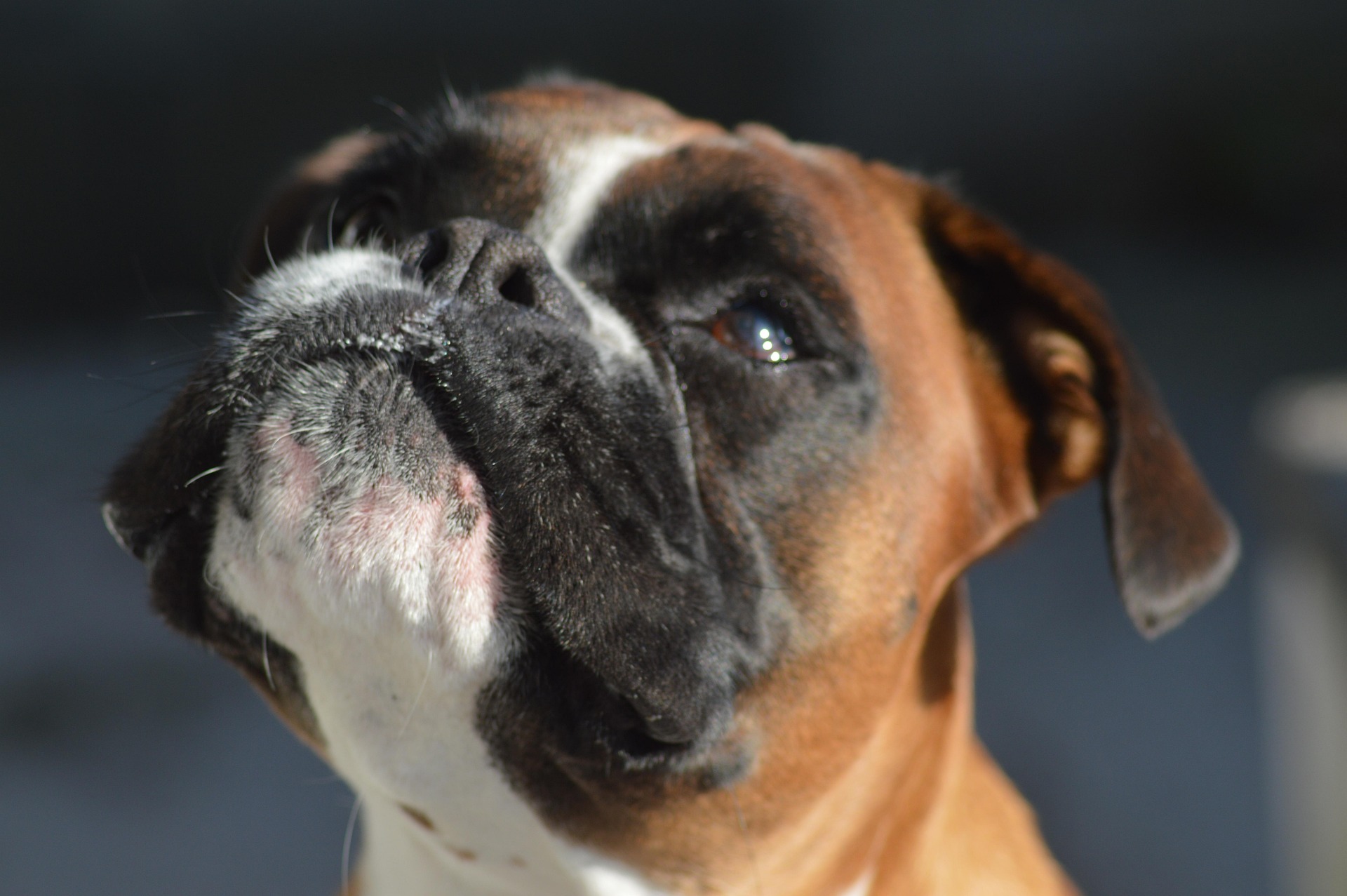
Boxers are intelligent and eager to please, which makes them very responsive to positive reinforcement training. Training doesn’t just shape obedience — it strengthens trust and attachment.
Positive reinforcement — using treats, praise, and affection — teaches dogs that listening and engaging with you is rewarding. Over time, this creates:
✔ A reliable bond
✔ A sense of shared purpose
✔ Increased loyalty through consistent reward association
This scientific understanding of behavior explains why well‑trained Boxers often appear more loyal — because loyalty itself becomes part of their learned response to positive relationship dynamics. Dogster
🧠 Comparisons: Loyalty in Dogs vs. Human Attachment
Some scientific perspectives suggest that the bond between dogs and humans is functionally similar to the parent‑child attachment seen in humans, although not identical. Research describes this as a secure attachment — where the dog sees the owner as a source of comfort, safety, and social support.
This doesn’t imply dogs think like humans, but it does suggest that the emotional mechanisms underlying loyalty are deeply rooted in both biology and social experience. Daily Paws
🐕🦺 How to Strengthen Your Boxer’s Loyalty (Based on Science!)
While some loyalty traits are bred in, your day‑to‑day interactions matter hugely. Here’s what science says helps build and maintain that bond:
🧠 1. Spend Quality Time Together
Positive interactions — walks, play sessions, brushing, cuddling — release oxytocin and make your dog feel safe and connected. Dogster
🏆 2. Use Positive Reinforcement Training
Training that rewards good behavior reinforces trust. Dogs learn loving you = good things happen. Dogster
🐾 3. Maintain Predictable Routines
Dogs are comforted by consistency — knowing what to expect reduces stress and supports secure attachment. Dogster
💞 4. Show Affection Appropriately
Affection isn’t just petting — it’s acknowledging your dog’s presence, praising good behavior, and making them feel included in family life. BestLife4Pets
🐶 5. Socialization Matters
Exposing your Boxer to positive experiences with people, places, and other animals helps them feel confident and secure — reinforcing loyalty at a broader level. Dogster
📚 The Broader Picture: Dog Loyalty Across All Breeds
Boxers may stand out, but researchers note that canine loyalty isn’t unique to one breed. Dogs of many backgrounds form deep social attachments with humans. What’s special about Boxers is how their combination of emotional sensitivity, protective instincts, and sociable nature often expresses loyalty in dramatic and heartwarming ways. brewminate.com
That said, individual personality, upbringing, and environment shape loyalty too — two Boxers may show devotion differently, even within the same family.
🐕 Boxer Loyalty: Real‑Life Examples
Countless stories highlight Boxers’ loyalty. While not scientific data, these narratives reflect patterns seen in studies — Boxers who:
-
Stay beside their owners during difficult times
-
Guard children or vulnerable family members
-
Follow their humans around the home
-
Provide emotional comfort during stress
These behaviors resonate with the broader science of attachment and social bonding in dogs.
🧠 Final Thoughts: Loyalty Is Science and Heart
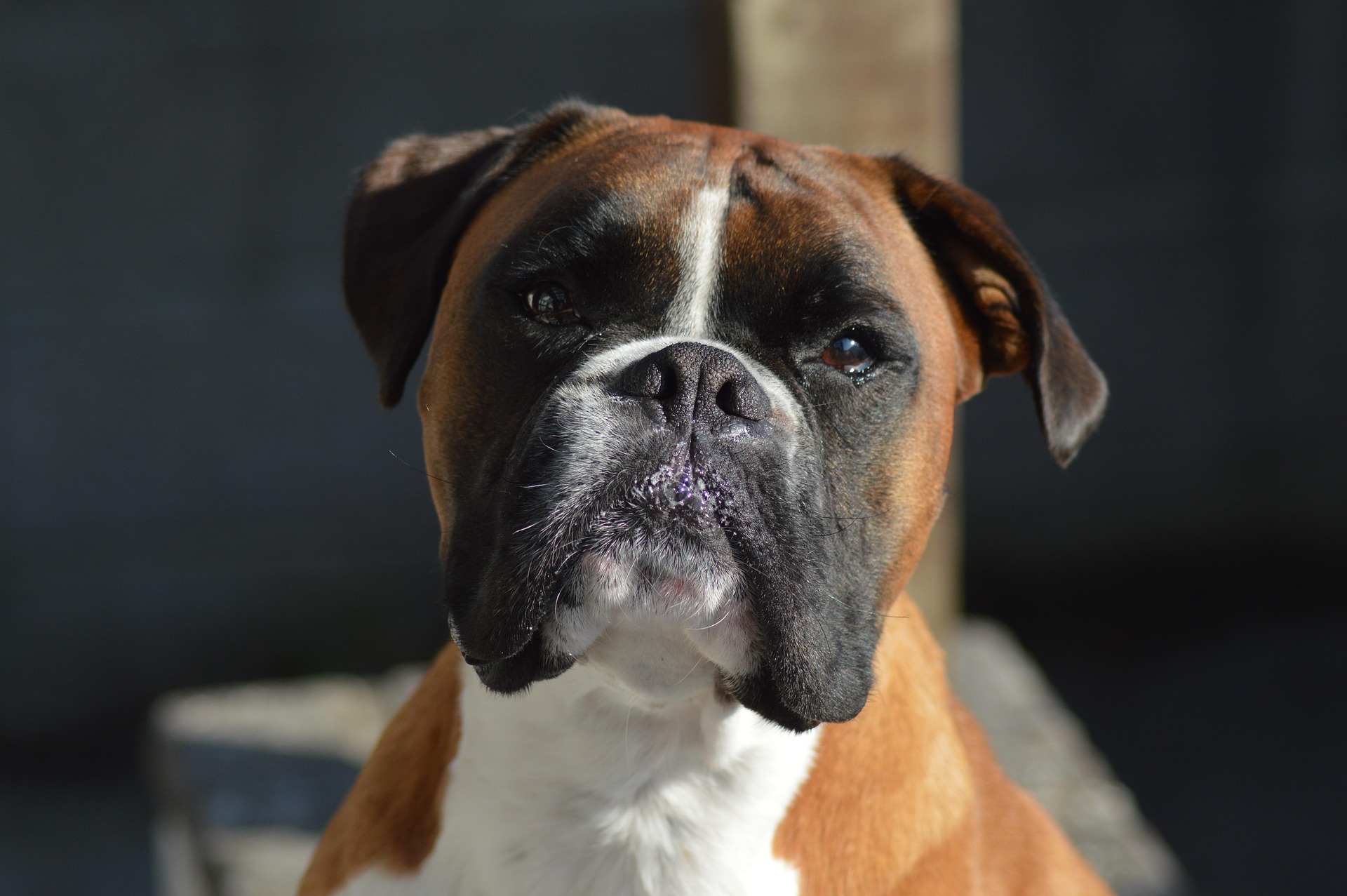
Loyalty in dogs isn’t just a sentimental idea — it’s rooted in evolution, biology, emotional intelligence, and social learning. For Boxers, all these elements combine in a way that makes their devotion visible, heartfelt, and consistent. From oxytocin surges during play to pack instincts inherited from wolves, the science paints a fascinating picture of why Boxers come to love their humans so deeply.
As you build your relationship with your Boxer, remember that loyalty is mutual — the more care, consistency, and positive interaction you provide, the stronger your dog’s bond will be.