Boxer dogs are one of the most recognizable and beloved dog breeds in the world. With their muscular bodies, expressive faces, and loyal personalities, Boxers have won the hearts of families and dog enthusiasts across the globe. But their journey—from early hunting companions in Germany to cherished pets in modern households—is rich, fascinating, and filled with historical twists. In this comprehensive article, we’ll explore the complete history of the Boxer breed, including its origins, development, roles in society, and how it became the family dog we know today. Throughout the text, you’ll find links to authoritative sources for deeper reading.
1. Ancient Roots and Ancestral Molossers
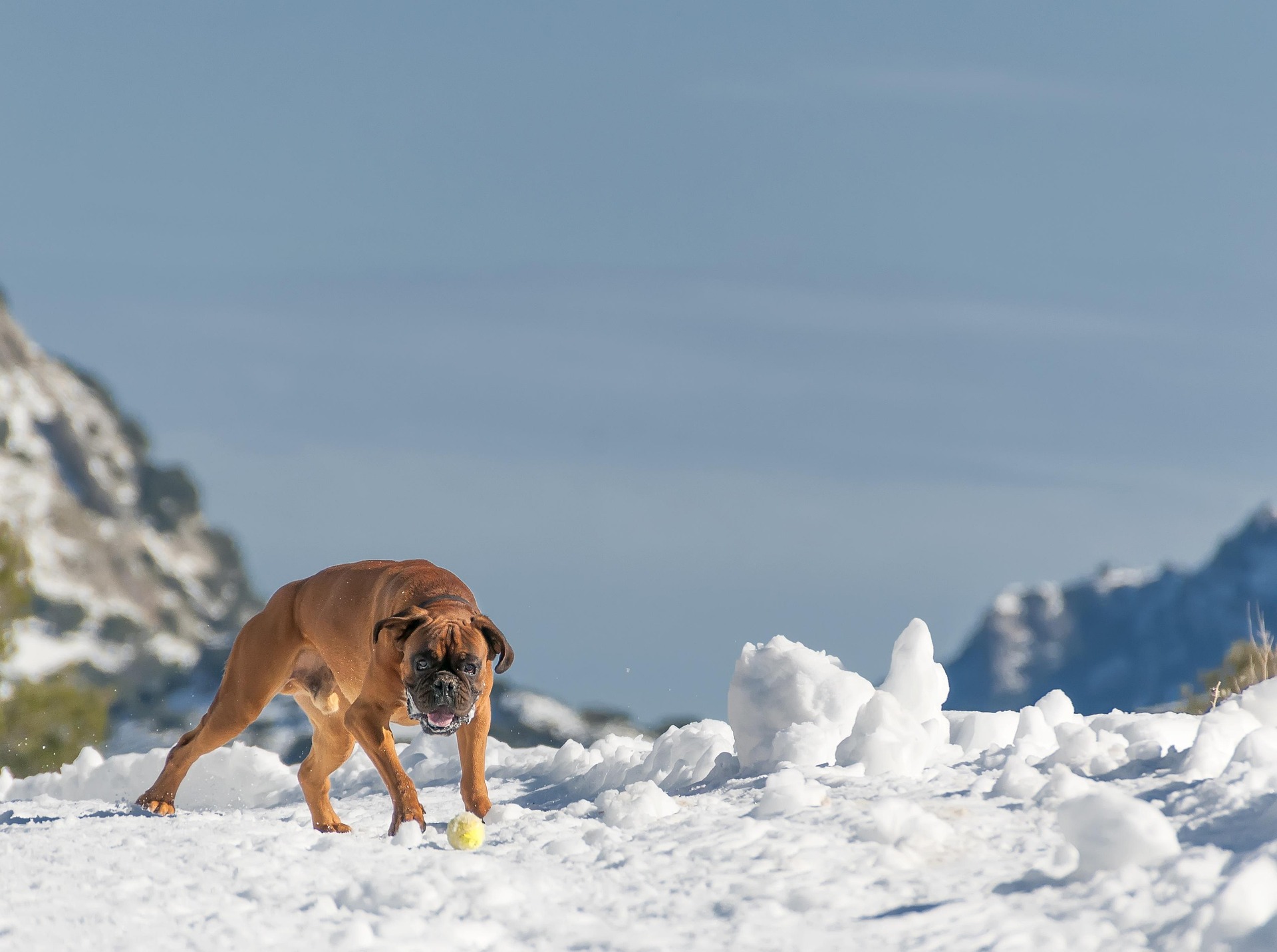
Boxers didn’t appear overnight—they are the result of centuries of canine evolution. Though the modern breed was formalized in the late 19th century, its genetic heritage stretches back much further.
The Molosser Connection
Some of the earliest dogs resembling the ancestors of Boxers may trace back to the Molossian dogs of ancient times. These dogs, developed in regions like Assyria and Greece, were strong, heavy‑boned canines used for war, guarding, and hunting. While not direct ancestors themselves, Molossers share characteristics with later European breeds that influenced the Boxer’s development. Nylabone
The Bullenbeisser: The True Ancestor
A more direct predecessor to the Boxer was the Bullenbeisser—a powerful and now extinct German dog. The Bullenbeisser (literally “bull‑biter”) was a mastiff‑type dog used for hunting large game such as wild boar, deer, and even bear. These dogs were highly valued for their strength and tenacity in holding game until the hunter arrived. Wikipedia
There were actually two types of Bullenbeisser:
-
The larger Danziger Bullenbeisser
-
The smaller Brabant Bullenbeisser
It’s widely accepted that the Brabant Bullenbeisser was the direct forerunner of the modern Boxer. Wikipedia
2. The Birth of the Boxer Breed in Germany
19th‑Century Germany: A Time of Change
By the mid‑1800s, industrialization and changes in hunting traditions were reshaping dog breeding in Europe. Large hunting dogs like the Bullenbeisser were no longer as practical, leading breeders to focus on developing a smaller, more versatile dog with strength, agility, and courage. Europetnet – Europe’s Pet Portal
Breeding the Modern Boxer
In Munich, Germany, in the late 19th century, breeders began crossing the Brabant Bullenbeisser with various Bulldogs and possibly other working dogs brought from England, such as Mastiffs. This was done to retain the Bullenbeisser’s hunting tenacity while creating a more manageable size and temperament. Wikipedia
One of the earliest recognized examples in the breed’s development was a brindle dog bred by a Munich resident named George Alt. Alt mated a female dog imported from France with a local working dog, producing a dog known as Lechner’s Box—one of the foundational ancestors of the Boxer breed. Europetnet – Europe’s Pet Portal
The First Boxer Club and Breed Standard
The Boxer became a more distinct and standardized breed when three German enthusiasts—Friedrich Robert, Elard König, and R. Höpner—decided to stabilize and promote it. In 1895 in Munich, they exhibited the breed at a dog show and, the following year, founded the Deutscher Boxer‑Klub (German Boxer Club). Wikipedia
The club published the first official breed standard in 1904, outlining what a Boxer should look like and how it should behave—emphasizing strength, courage, and a loyal temperament. Remarkably, this early standard has remained largely unchanged in the decades since. Europetnet – Europe’s Pet Portal
3. The Meaning Behind the Name “Boxer”
You may have wondered how the Boxer got its name. There are several theories:
-
One popular explanation is that the breed was named for its tendency to stand on its hind legs and “box” with its front paws during play. Worldly Dogs
-
German linguistic evidence suggests that the word “Boxer” existed in Bavarian dialects long before the breed was standardized, possibly referring to smaller working dogs or deriving from terms like Boxl or Bierboxer. Wikipedia
-
Folk tales also link the name to dog gatherings in Munich beer gardens (Biergarten), where these dogs would socialize and freely mix. Von Galovica
While no single theory is definitively proven, what is clear is that the name “Boxer” appeared during the early phase of the breed’s formal history and stuck as dog enthusiasts began to recognize and appreciate these dogs. Wikipedia
4. The Boxer in Early 20th‑Century Europe
As the Boxer standard became established, the breed began to spread beyond Munich and throughout Germany. By the early 1900s, Boxers were gaining attention in European dog shows and among working households. Their loyalty, trainability, and adaptability made them useful in multiple roles.
Military and Police Roles
With the outbreak of World War I, Boxers were utilized by the German military for several functions:
-
Messenger dogs
-
Pack carriers
-
Guard dogs
-
Patrol companions
These roles showcased their intelligence, physical abilities, and courage, earning them a reputation as reliable working dogs. Europetnet – Europe’s Pet Portal
Boxers were also used by police forces in Europe for tracking and patrol duties due to their strong scenting abilities and disciplined nature. German Culture – All about Germany
5. Arrival in the United States and Growing Popularity
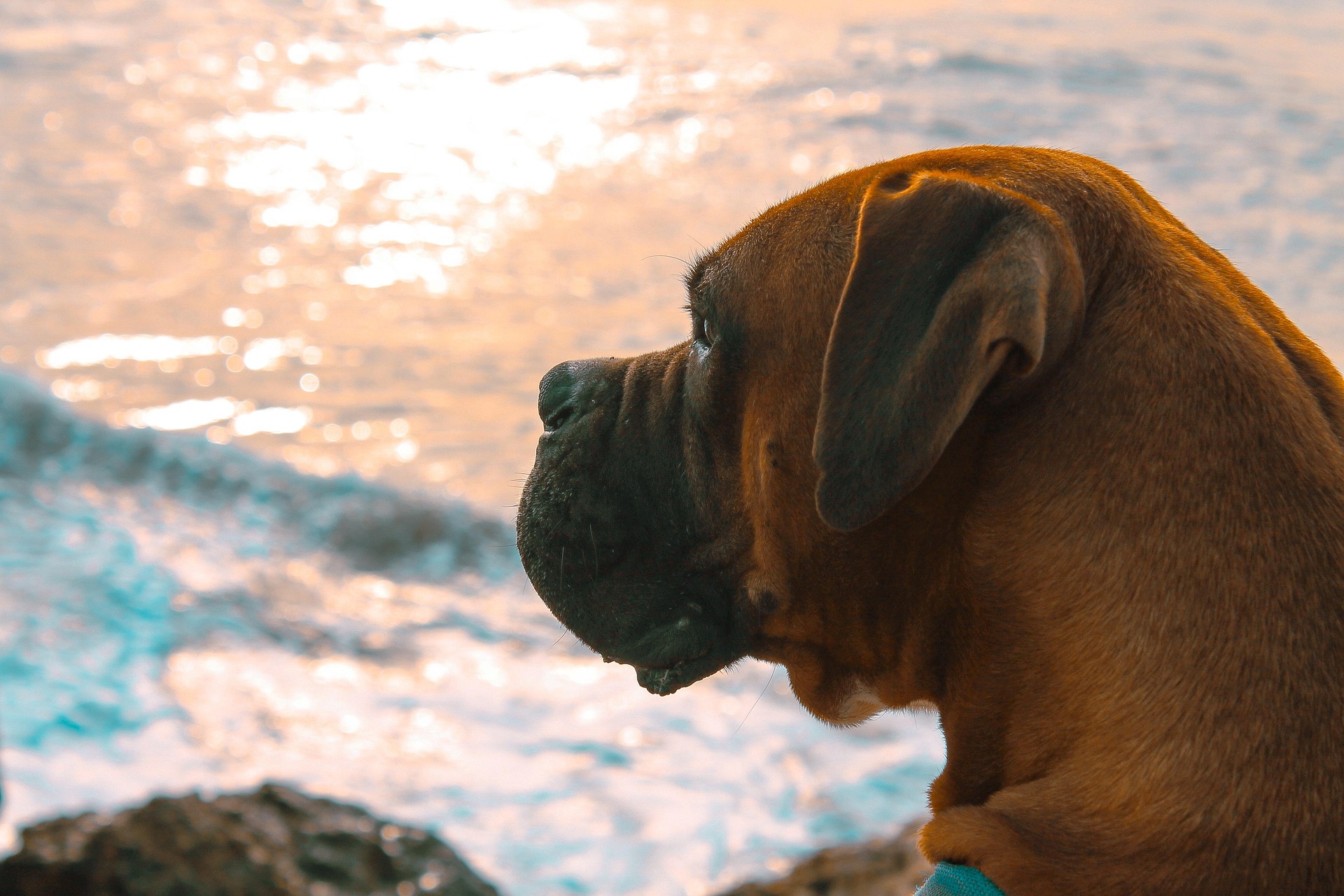
Boxers first arrived in the United States around the early 1900s. The American Kennel Club (AKC) registered its first Boxer in 1904, and the first Boxer champion registered by the club was Dampf vom Dom in 1915. Europetnet – Europe’s Pet Portal
In the beginning, Boxers were relatively rare, with only a few dozen registered dogs. However, over the following decades, the breed began to grow steadily in popularity. By 1935, the American Boxer Club had been formed, helping to promote the breed in the U.S., organize shows, and establish breeding programs. American Kennel Club
Post‑World War II Boom
After World War II, returning soldiers brought Boxers home as companions, helping fuel their popularity around the world. The breed’s unique combination of loyalty, strength, and friendliness made it appealing not just for working roles but as beloved family pets. Europetnet – Europe’s Pet Portal
By the 1950s and 1960s, Boxers became well‑established in both Europe and North America as trusted companions, show dogs, and service animals. German Culture – All about Germany
6. The Boxer Today: A Global Companion
Worldwide Breed Recognition
Today, the Boxer is recognized by major kennel clubs worldwide, including the AKC, Fédération Cynologique Internationale (FCI), United Kennel Club (UKC), and The Kennel Club in the United Kingdom. They are classified generally in the Working group due to their historical roles in guarding, tracking, and service. Worldly Dogs
Popularity and Roles
Boxers are now among the most beloved breeds in the world:
-
Companion pets
-
Family guardians
-
Therapy and service dogs
-
Competitive obedience and agility participants
According to statistics, Boxers have consistently ranked as one of the more popular breeds in the U.S., appreciated for their energy, loyalty, and amazing personality. Europetnet – Europe’s Pet Portal
7. Key Traits Passed Down Through History
Boxers today still carry the traits that made their ancestors valuable in history:
Strength & Physical Ability
Descended from powerful hunting dogs, Boxers have muscular builds, strong jaws, and agile bodies. Historically used for holding large game and guarding, these traits are still evident in the breed. Europetnet – Europe’s Pet Portal
Intelligence & Trainability
Boxers are bright and learn quickly, traits that helped them excel in working roles and now make them successful in obedience and dog sports. German Culture – All about Germany
Loyalty & Protective Instincts
Bred for roles requiring loyalty and bravery, Boxers today are known for their devotion to their families and protective nature. Encyclopedia Britannica
8. Boxer Breed Standard Highlights
As defined by kennel clubs, some hallmark characteristics of the Boxer include:
-
A square, athletic build
-
Short, smooth coat in brindle or fawn with optional white markings
-
Broad, short skull and pronounced muzzle
-
Strong jaws and powerful bite
These physical qualities reflect centuries of selective breeding for function and form. Europetnet – Europe’s Pet Portal
9. Boxer Myths and Misconceptions
The Boxing Myth
One common myth about Boxers is that they were named because they literally “box” like human fighters. While this behavior—standing on hind legs and batting—is common play behavior, linguistic evidence suggests the term “Boxer” likely originated in German dialects or from older names given to dogs in the region. Wikipedia
A Family Dog or Working Breed?
Some owners assume Boxers are too fierce for family life. In reality, while Boxers retain protective instincts, decades of breeding for temperament have made them affectionate, playful, and gentle with families when properly socialized and trained. Encyclopedia Britannica
10. Why Boxers Remain Popular Today
Boxers have earned worldwide acclaim for several reasons:
-
Loyal and protective nature
-
Playful and energetic personality
-
Adaptability to family life
-
History of service and versatility
These traits reflect both their historical roles in hunting and guarding, as well as their natural ability to bond deeply with humans. Europetnet – Europe’s Pet Portal
Conclusion: A Journey from Hunting Grounds to Family Homes
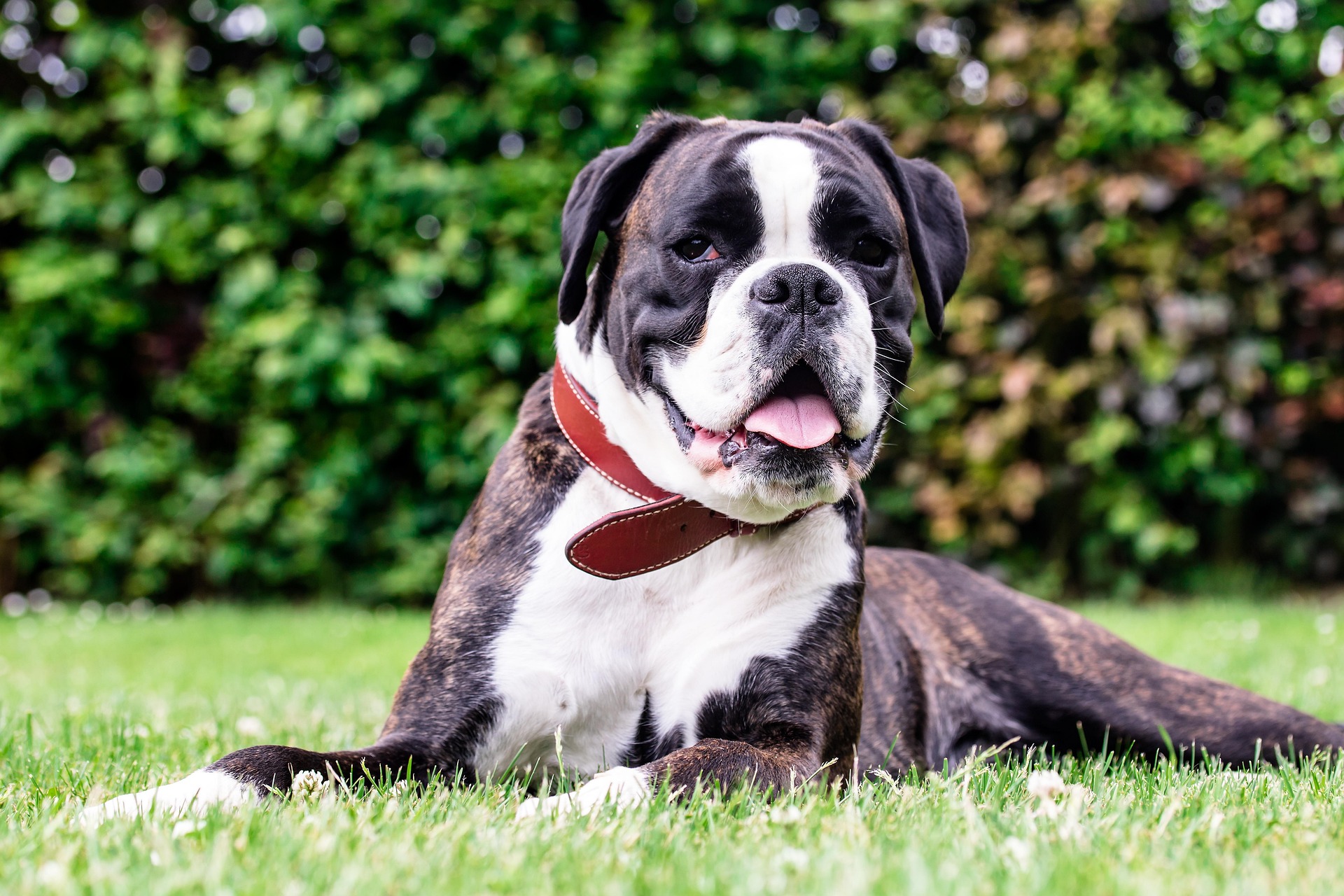
The history of Boxer dogs is a story of transformation—from ancient hunting companions and working dogs to beloved family members and canine athletes. Originally developed in Germany in the late 19th century, Boxers evolved from powerful Bullenbeisser ancestors into a breed admired for its courage, intelligence, and loyalty. Today, they grace homes and hearts worldwide, cherished not just for their history, but for the joy and companionship they bring to millions of families. Wikipedia
Further Reading & Sources
✔ Wikipedia — Boxer (dog breed) — Breed history and development in Germany. Wikipedia
✔ Europetnet — Boxer Breed History — Origins from Bullenbeisser to modern Boxer. Europetnet – Europe’s Pet Portal
✔ Britannica — Boxer dog profile — Overview of breed traits and early development. Encyclopedia Britannica
✔ AKC — History of the Boxer — Breed development and rise in the U.S. American Kennel Club
✔ Worldly Dogs — Boxer Standards and Origin — Historical background and physical standards. Worldly Dogs