Boxer dogs are among the most beloved canine breeds worldwide — admired for their loyalty, athletic energy, and affectionate personalities. Yet many dog lovers don’t realize that Boxers weren’t always the cuddly family companions we know today. Their history stretches back centuries, and their roles have shifted dramatically over time — from powerful hunting dogs and wartime workers to cherished members of households across the globe.
In this detailed article, we’ll explore the evolution of Boxer dogs — their roots and ancestors, how they were developed, their historical roles as working and guard dogs, and how they gradually became one of the most popular family pets. You’ll also find two insightful videos embedded in the center of the article to enrich your understanding.
Contents
-
The Ancient Ancestry of Boxer Dogs
-
The Birth of the Modern Boxer in Germany
-
Early Roles: Hunting, Guarding, and Butcher’s Helper
-
Boxer Dogs in the Military and Police Work
-
Recognition and Spread Across Continents
-
Changing Roles: From Workers to Companions
-
Boxer Temperament and Traits Through History
-
Boxers in Popular Culture and Modern Life
-
Why Boxers Make Great Family Pets
-
Conclusion: A Journey of Transformation
-
References and Further Reading
1. The Ancient Ancestry of Boxer Dogs
The story of the Boxer begins long before the modern breed was created. Its ancestral roots trace back to the Bullenbeisser, a now-extinct German hunting dog prized for its strength. The Bullenbeisser, sometimes known as the German Bulldog, was used for hunting large game like bears, boar, and deer. This powerful dog had a muscular build and commanding presence, traits that became hallmarks of the later Boxer breed. Wikipedia
While the Bullenbeisser no longer exists today, its legacy lived on through deliberate breeding efforts in the late 1800s designed to refine and adapt these dogs for new roles. American Kennel Club
2. The Birth of the Modern Boxer in Germany
The modern Boxer was developed in late-19th-century Germany through selective breeding. German breeders worked to stabilize characteristics from the smaller Brabant Bullenbeisser mixed with English Mastiff and Bulldog stock. Their goal was to create a dog that maintained the strength and tenacity of its ancestors while being more agile and manageable. Wikipedia
In 1894, these efforts culminated in the Boxer’s first public appearance at a dog show in Munich. Soon after, the Deutscher Boxer Club was formed, and the first official breed standard was published in 1904. Wikipedia
This marked the beginning of the Boxer as a recognized breed, rooted in working capability but beginning to develop the qualities that would later make it a beloved family dog.
3. Early Roles: Hunting, Guarding, and Butcher’s Helper
Before Boxers became household names, their early roles leveraged physical strength and courage. Originally used for hunting large game, these dogs were trained to bite and hold prey until human hunters arrived — a task requiring power, focus, and endurance. American Kennel Club
As the usefulness of large hunting dogs declined with societal changes in Europe, Boxers found new work as butcher’s helpers and cattle controllers. Their muscular build and fearless temperament helped them manage livestock and guard meat markets against theft or stray animals. allboxerinfo.com
This period marked a turning point: Boxers were no longer just tools of the hunt — they were working dogs closely connected to people.
4. Boxer Dogs in Military and Police Work
The Boxer’s journey from hunting fields to urban centers was accelerated during the early 20th century. When World War I began, Boxers were co-opted into military roles where their intelligence, stamina, and alertness were valuable assets. They served as messenger dogs, pack carriers, sentries, and even guard dogs on the front lines. theboxerbond.com
This pattern continued through World War II — war cemented the Boxer’s reputation as a versatile working dog. Soldiers who formed bonds with Boxers overseas often brought them home after the war, introducing the breed to new communities and expanding its appeal outside of Europe. Europetnet – Europe’s Pet Portal
5. Recognition and Spread Across Continents
As Boxers worked in various service roles and traveled with people across borders, their presence grew. In the United States — and many other countries — breed clubs and kennel organizations formed to standardize and promote the Boxer.
The American Kennel Club (AKC) recognized the Boxer officially in 1904, which encouraged participation in shows and formal breeding programs. American Kennel Club Over the following decades, Boxers spread globally, eventually becoming one of the most beloved breeds for families and show enthusiasts alike.
6. Changing Roles: From Workers to Companions
By the mid-20th century, the roles of Boxers began to shift dramatically. Although still valued as capable watchdogs and service dogs, their affectionate temperament and playful energy made them increasingly popular as companion animals in family homes. Nahf
As suburban life expanded after World War II, families sought dogs that could be both protectors and playmates. Boxers fit this niche perfectly: loyal and alert, yet fun-loving and good with children. Their combination of traits made them ideal household pets, and this trend continues today.
7. Boxer Temperament and Traits Through History
What makes Boxers special isn’t just their history — it’s how the characteristics bred into them through centuries of work transformed into virtues ideal for family life.
-
Loyalty and Devotion: Boxers bond deeply with their human families, often forming close attachments and showing protective instincts. Dogz Online
-
Playfulness and Energy: Their liveliness and enthusiasm make them great companions for active families and children. DogTime
-
Intelligence and Trainability: Boxers are smart and can excel in obedience training, agility, and performance sports — a testament to their working dog heritage. Dogz Online
These temperament traits helped the Boxer transition from guard and service roles into beloved family pets without losing usefulness in structured activities like training and competitions.
8. Boxer Dogs in Popular Culture and Modern Life
Boxers have also made their mark beyond everyday households. Their striking appearance and expressive faces have made them stars in films, advertising campaigns, and even literature. Their athletic build and gentle nature have helped them serve as therapy dogs and emotional support animals.
Despite evolving roles, Boxers still retain echoes of their past — they are alert, courageous, and protective when needed, but also affectionate, playful, and deeply connected to their families.
🔹 WATCH: Boxer Breed History & Evolution
<center> [**Video: The History & Temperament of Boxer Dogs**](https://www.youtube.com/watch?v=1LdX3fKX8IA) </center>
This video explores the historical roots, physical traits, and evolving roles of Boxers from their origins to the present.
9. Why Boxers Make Great Family Pets Today
Today’s Boxer combines the best aspects of its heritage into a companion well-suited for modern family life:
💛 Loyal and Protective
Boxers are naturally attentive and form strong emotional bonds with their owners. They’re watchful of strangers without being unnecessarily aggressive, and many families rely on their alertness for peace of mind. Dogz Online
🎾 Energetic and Playful
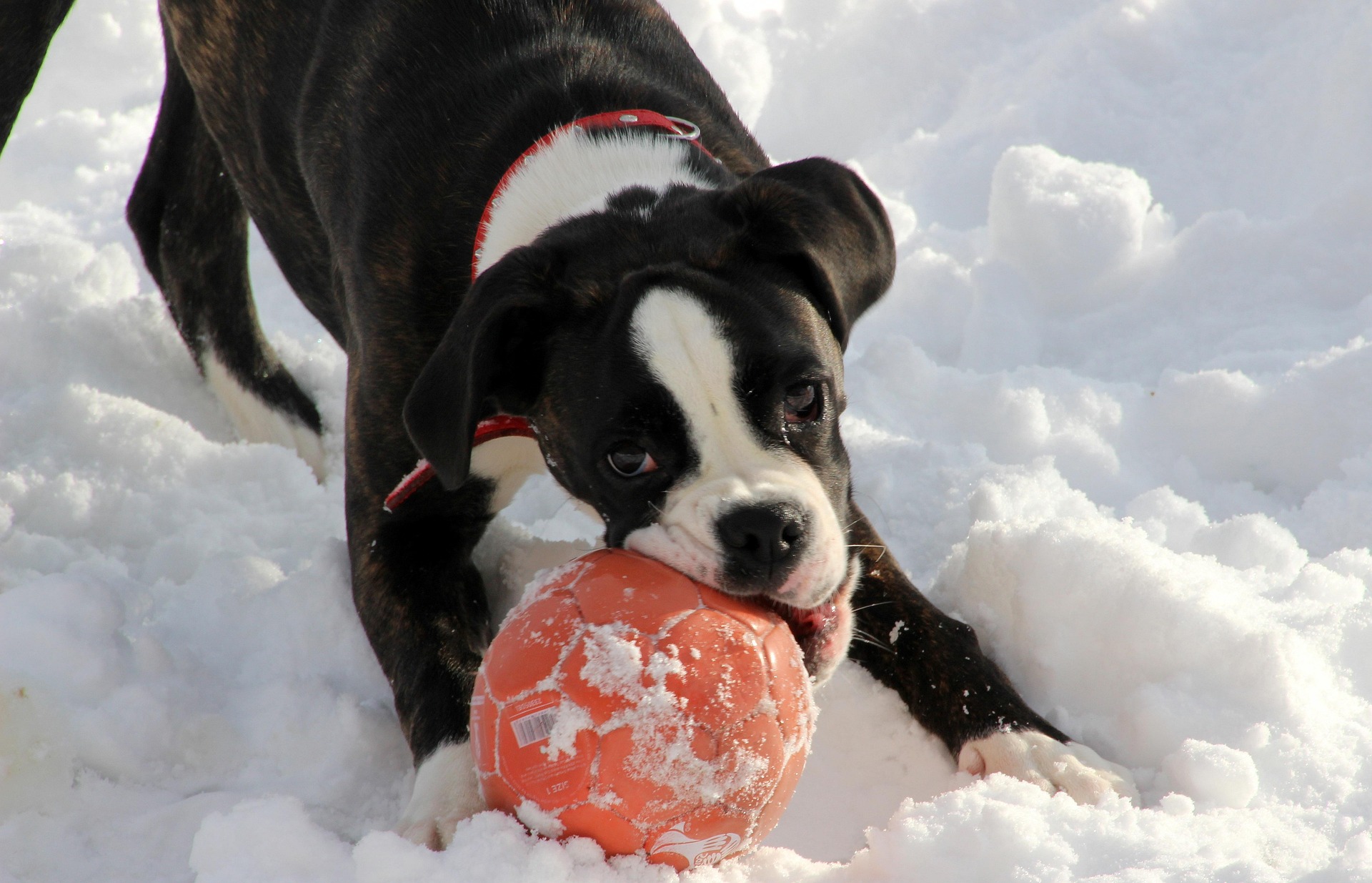
Boxers love to play — whether it’s running in the yard, chasing a ball, or engaging in tricks and training games. Their energetic nature thrives in active households. DogTime
👨👩👧 Great with Children
Boxers are known for their patience and affection with kids. With early socialization and consistent training, they can be gentle and protective — even becoming a child’s playmate and guardian. DogTime
🐕🦺 Versatile and Trainable
Boxers still participate in obedience, agility, and service programs — a continuation of their historical roles — but now also enrich family life as beloved companions. Dogz Online
You can see why Boxers are often described as “clownish” yet capable — dogs with boundless affection who also bring strength and intelligence into everyday living.
10. Conclusion: A Journey of Transformation
The evolution of Boxer dogs is a story of adaptation and partnership. From powerful hunting dogs of medieval Europe to steadfast protectors in the world wars, and finally to cherished family pets, Boxers have proven their versatility and loyalty across centuries.
Their journey reflects changing human needs — from survival and work to companionship and emotional connection. Today’s Boxer carries the best of its ancestry: bold yet gentle, strong yet playful, and always ready to be both a guardian and a treasured family friend.
If you’re considering adding a Boxer to your family, you’re inviting a breed with a rich history and a heart just as big as its legacy.
References & Further Reading
✔ Encyclopaedia Britannica — Boxer Dog History & Traits Encyclopedia Britannica
✔ AKC Expert Care & History of Boxers American Kennel Club
✔ Boxer Breed Guide — DogzOnline Dogz Online
✔ PetsCare — What Boxers Were Originally Bred For Veterinary Care at Your Fingertips
✔ The Boxer’s Ancestry & Evolution Summary theboxerbond.com