
Training a Boxer dog can be immensely rewarding — and equally challenging. These athletic, intelligent, and energetic dogs are beloved family companions, but they can also test the patience of even experienced dog owners if training isn’t approached with the right mindset and techniques. The good news? With patience, consistency, and the right strategy, you can train your Boxer dog effectively — without losing your mind in the process.
In this extensive guide, we’ll cover everything from the basics of Boxer temperament and training philosophy to advanced techniques, common mistakes to avoid, and expert‑recommended tools. Each section includes links to authoritative sources so you can explore each concept in more depth.
1. Understanding the Boxer Personality Before You Train
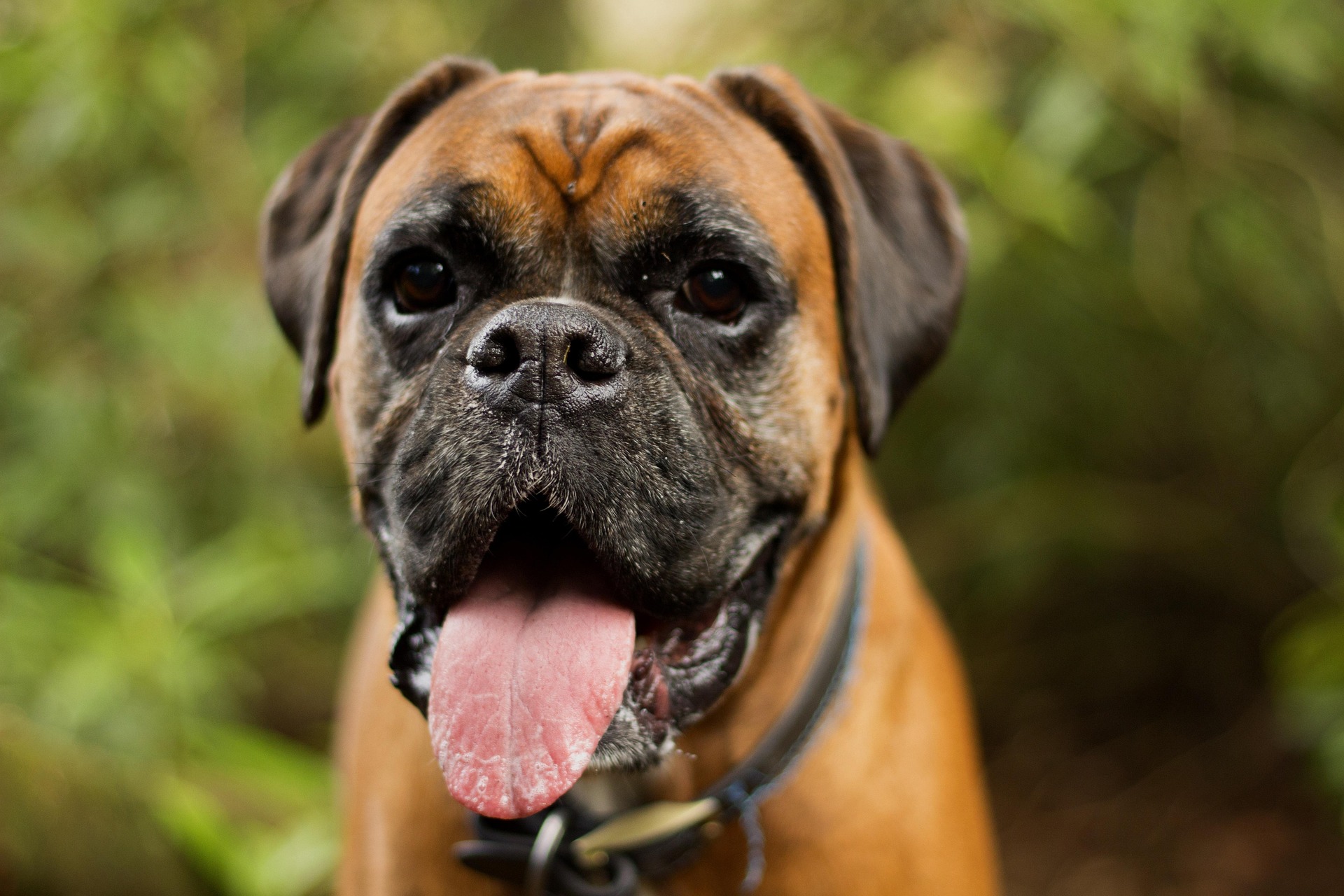
Before you start training, it’s essential to understand what makes Boxers unique as a breed.
Boxers are:
-
Highly energetic and athletic
-
Intelligent and curious
-
Affectionate and eager to please
-
Sometimes stubborn or easily distracted
These traits make Boxers worthy companions, but also dogs that need purposeful training and mental stimulation. Without structure, they can become bored, mischievous, and hard to manage. A-Z Animals
Boxers were originally bred as working dogs — used historically for hunting and protection — and today they still retain their athletic spirit. American Kennel Club
2. Why Good Training Matters
Training is more than just “teaching tricks.” Proper training:
-
Builds trust between you and your dog
-
Provides mental and physical stimulation
-
Reduces problem behaviors like excessive barking, chewing, or jumping
-
Helps Boxers adapt to social environments
-
Keeps your dog safe in real‑world situations
A well‑trained dog isn’t just nicer to live with — it’s also safer, more confident, and easier to manage on walks, around guests, and in shared public spaces. American Kennel Club
3. Training Starts with the Right Mindset
Patience is your greatest ally
Boxers are smart but can be stubborn. They don’t always learn quickly in the same way every other breed does, so patience is key. Trainers and owners consistently emphasize the importance of calm, unwavering patience when working with your dog. A-Z Animals
Consistency builds trust and clarity
Your dog thrives on predictability. If you give the “sit” command one day, then allow jumping the next, you’re sending mixed messages. Use the same command for the same action every time and ensure all family members use the same language and expectations. This consistency helps Boxers understand what you want from them. kotobook.pet
Training is not a sprint
Spread training into short, intentional sessions — 5 to 15 minutes at a time — rather than marathon sessions that exhaust or bore your dog. kotobook.pet
4. Begin with the Basics: Foundation Training
Every well‑trained Boxer starts with basics:
Sit
Teaching “Sit” is often the first command owners train because it helps establish your leadership and patience. Use a treat to lure your dog’s nose upward, gently guiding them into a sitting position. Once they sit, reward immediately. kotobook.pet
Stay
This command builds self‑control. Start with short distances and durations, gradually increasing as your Boxer becomes more comfortable holding the command. kotobook.pet
Come (Recall)
Recall keeps your dog safe. Practice this in confined spaces at first, rewarding enthusiastically when your Boxer returns to you. American Kennel Club
Heel / Walk Nicely on Leash
Boxers can pull on the leash due to their energy and curiosity. Teach them to walk politely beside you rather than ahead or behind.
5. Positive Reinforcement: Why It Works
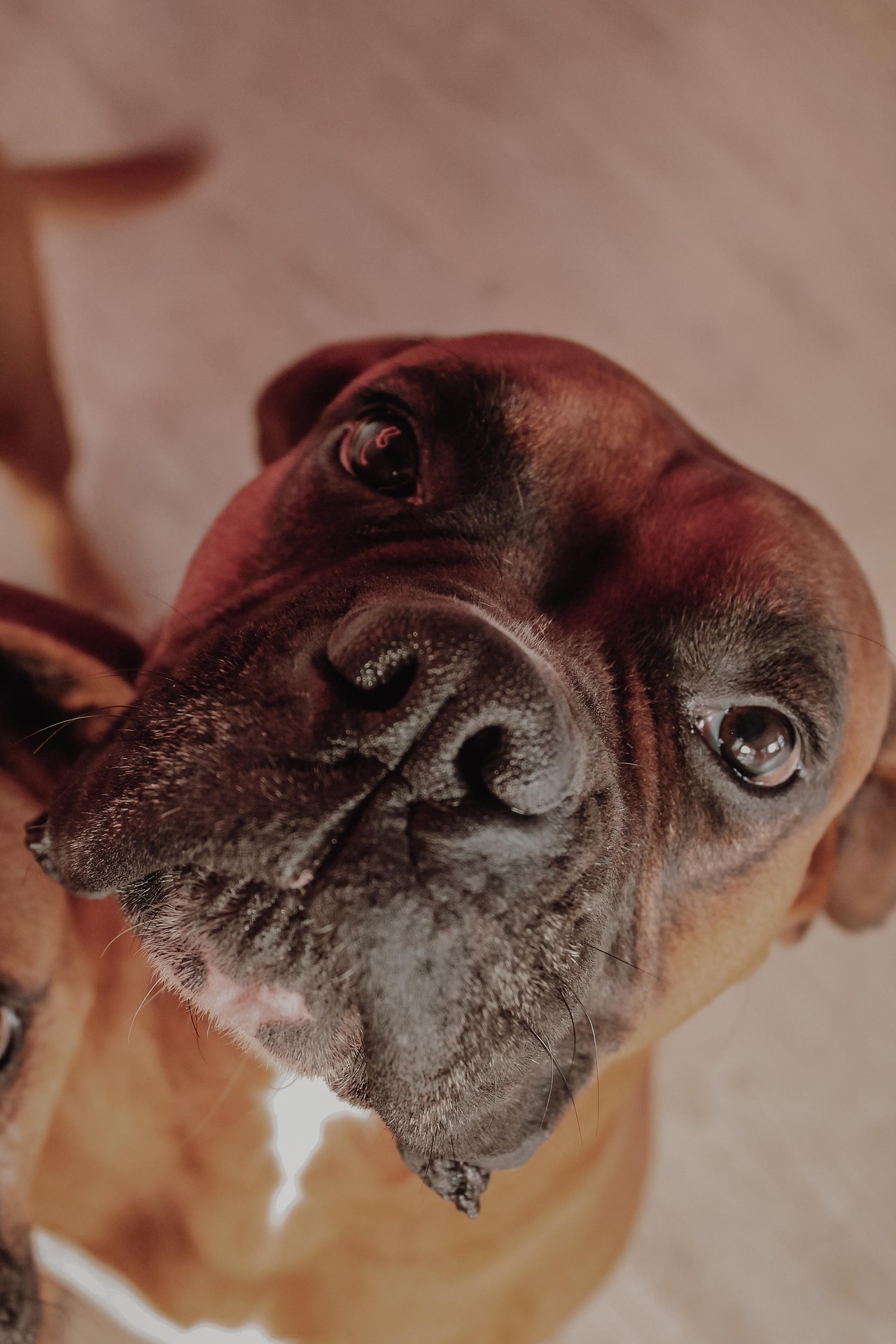
Positive reinforcement is one of the most reliable training methods for Boxers. It uses rewards — treats, praise, and play — to encourage desirable behavior rather than punishing undesirable behavior. kotobook.pet
Benefits of positive reinforcement include:
-
Builds a strong emotional bond
-
Encourages Boxers to want to obey
-
Reduces fear and resistance
-
Increases focus and willingness to learn
Treats don’t need to be extravagant — even small pieces of chicken, cheese, or favorite treats are effective. Just be sure the treats are special rewards your dog doesn’t get at other times. A-Z Animals
6. Crate Training: Your Ally in House Training
Crate training is an incredibly useful tool for Boxers — especially puppies — to establish good house manners.
How crate training helps:
-
Assists in potty training by teaching the dog not to soil its sleeping area
-
Provides a safe, quiet space for your Boxer to calm down
-
Prevents destructive behaviors when unsupervised
Remember: a crate should never be used for punishment. It should be a positive, safe place your dog chooses to go naturally during rest or downtime.
7. Socialization: Making Your Boxer Confident
A well‑socialized Boxer is:
-
Less likely to be fearful in new situations
-
Better at interacting with other dogs and people
-
More adaptable to busy environments
Start socialization early — allow your puppy or adult rescue Boxer to meet calm, well‑behaved dogs and people gradually. Reward good behavior with praise or treats. American Kennel Club
Socialization should be:
-
Positive and controlled
-
Reward‑based
-
Gradually exposing your dog to noise, environments, and different situations
This prevents fear responses and builds confidence over time.
8. Avoid These Common Training Mistakes
Training Boxers can go off course when owners fall into certain pitfalls. Here’s what to avoid:
Too Harsh a Tone
Boxers are sensitive to tone. A raised, angry voice can make them anxious and less responsive. Calm, excited praise is far more effective. A-Z Animals
Rewarding at the Wrong Time
If you reward your dog after an incorrect behavior by mistake, you reinforce that mistake. Time your rewards precisely to immediately follow the correct action. A-Z Animals
Confusing Commands
Stick to one command per behavior. Using multiple words or phrases for the same action delays learning. A-Z Animals
Repeating Commands Too Much
Saying “come” 10 times dilutes its urgency. Give one clear command and reward the first correct response. A-Z Animals
9. Training Tools That Make Life Easier
Here are tools that help simplify training:
Clickers
Clicker training improves precision. The click sound marks the exact moment your dog performs the desired behavior, followed by a reward. tvaryny.com
Treat Pouches
Keep treats in a pouch you can quickly reach during training sessions.
Harnesses
Boxers benefit from harness training for leash work — especially if they pull — as it distributes pressure evenly and reduces stress on the neck.
Interactive Toys
Boxers are smart. Puzzle toys can keep them mentally engaged while reinforcing desired behaviors at home.
10. Teaching Specific Skills That Matter
Potty Training
Take your Boxer out immediately after meals, naps, and play. Praise only when they go in the correct spot. Crate training helps structure this process. American Kennel Club
Impulse Control
Teach your Boxer to wait before eating, passing through doors, or during play. Slow impulse control builds long‑term obedience.
Advanced Commands
Once basics are solid, you can graduate to commands like:
-
“Drop it”
-
“Place” (go to designated spot)
-
“Wait“
-
“Leave it”
These elevate your dog’s reliability and safety.
11. Training Your Boxer as They Grow
Training evolves as your Boxer ages:
Puppies (8 weeks – 6 months)
Focus on:
-
Potty training
-
Crate training
-
Early socialization
-
Basic obedience
See complete puppy training timelines like the one at the AKC Boxer Puppy Training Guide for details on each developmental milestone. American Kennel Club
Adolescence (6 – 18 months)
Continue building obedience, increase distractions gradually, and reinforce impulse control.
Adult Boxers
Adults can master refined commands, advanced training, and even activities like agility (e.g., introductory agility drills tailored for Boxers). American Boxer Club
12. Training for Real Life

Great training isn’t just about obedience — it’s about creating an adaptable and confident dog.
Training in Different Environments
Once your Boxer masters a command at home, practice it in the yard, park, and urban spaces. Real‑world distractions strengthen obedience.
Reward for Life Skills
Reward walking politely past other dogs, waiting calmly for food, and coming back when called — these are practical behaviors that improve daily life.
Balance Fun with Structure
Boxers love play. Incorporate training into playtime with contests, fetch, or agility courses — blending exercise and learning.
13. When It’s Time to Seek Professional Help
If training stalls or your Boxer exhibits fear, aggression, or confusion, getting help from a professional trainer or obedience school can make a big difference. Obedience schools offer structured lessons for both dogs and owners and can tailor methods to your dog’s personality. Wikipedia
14. Final Tips for Staying Sane (and Successful)
Here’s a quick checklist to keep you grounded:
✔ Set realistic expectations — Boxers aren’t robots; they learn gradually.
✔ Train in short, frequent sessions — 5–15 minutes makes learning more effective. kotobook.pet
✔ Praise and reward generously — Positive energy motivates your dog. A-Z Animals
✔ Be consistent, always — Consistency = clarity for your dog. kotobook.pet
✔ Embrace training as bonding time — This strengthens your relationship and reduces frustration.
Summary
Training a Boxer dog doesn’t have to be an ordeal. With the facts, tools, and mindset described here — including positive reinforcement, consistency, appropriate tools, and patience — you can guide your Boxer to be a well‑behaved, confident, and joyful companion.
By starting early, working consistently, and celebrating small victories, you’ll find that training becomes a fulfilling part of life with your Boxer rather than a source of stress.
References & Further Reading
✔ Training Your Boxer: Best Tips, Common Mistakes, and More! – A‑Z Animals training guide. Training Your Boxer Tips & Mistakes Guide
✔ Boxer Puppy Training Timeline – American Kennel Club expert advice. AKC Boxer Puppy Training Guide
✔ How to Train a Dog & Dog Obedience Training – General training principles from AKC. AKC Dog Training Tips Hub
✔ Basics of Positive Training Methods – Clicker and positive reinforcement guides. tvaryny.com
✔ Training for Agility with Your Boxer Puppy – Insights on fun, advanced activities. Boxer Puppy Agility Training Tips