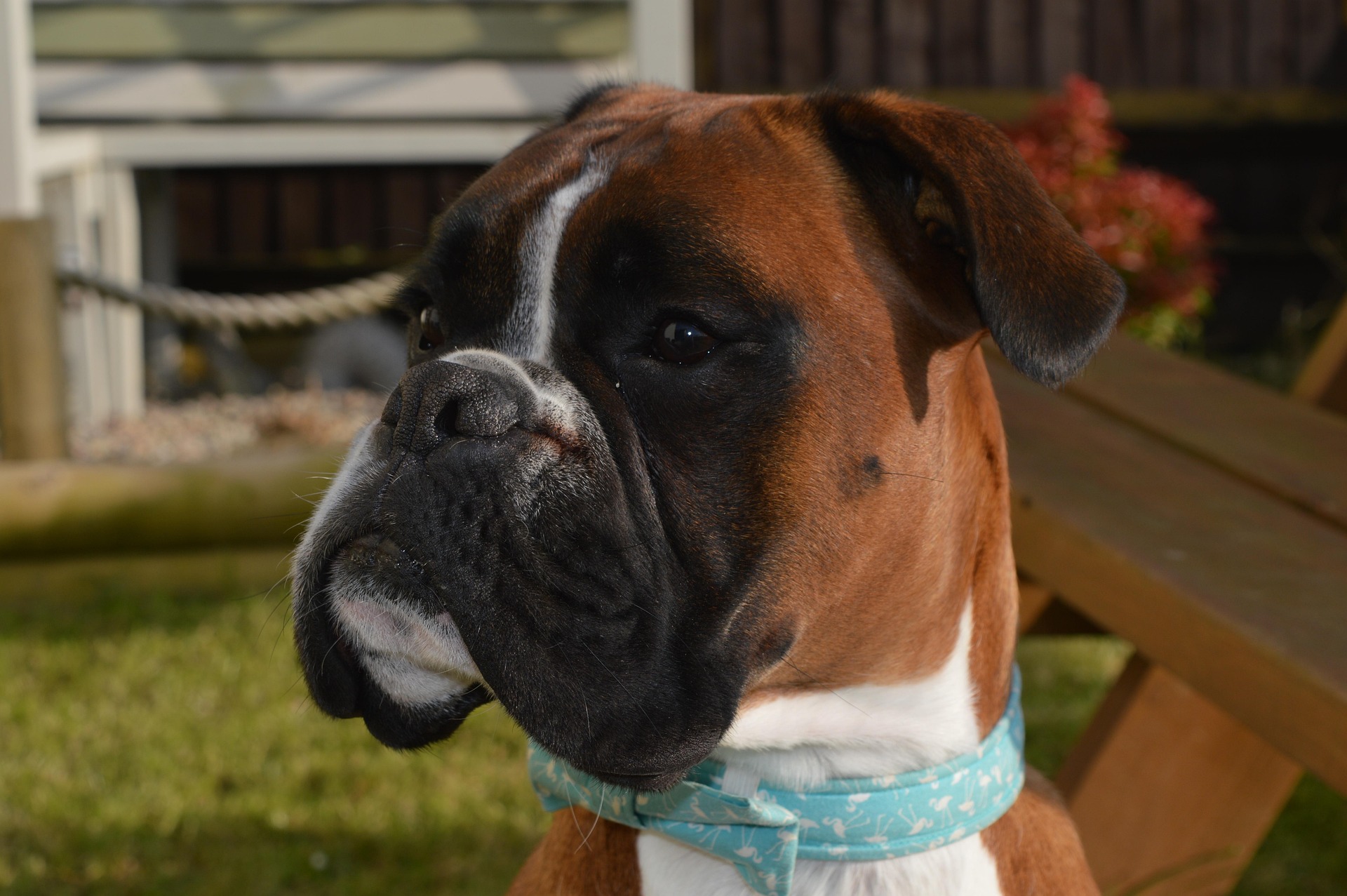
Boxer dogs are energetic, loyal, brave, and intelligent — qualities that make them not only wonderful family pets but also excellent candidates for watchdog roles. With the right training, your Boxer can alert you to visitors, assess unusual situations, and act as a dependable guardian of your home and family. In this in‑depth guide, we’ll walk through everything you need to know to train a Boxer to be a good watchdog — from basic obedience to advanced guard behaviors — with step‑by‑step advice, examples, and expert insights.
We’ll also include two practical videos and links to reputable sources so you can learn trusted methods and resources to train your dog effectively.
🎥 Videos — Watchboxer Training in Action
📹 Raising a Boxer as a Guard Dog (Training Tips)
This video shows key methods and exercises to begin training your Boxer in watchdog and guard dog behaviors. It is especially helpful to see demonstrations of commands and positive training in real time. YouTube
📹 Are Boxer Dogs Good Guard Dogs? (Breed Traits & Training)
A deeper look at the Boxer breed’s qualities and what makes them suitable for watchdog and protective roles when correctly trained and socialized. YouTube
🐶 Why Boxers Make Good Watchdogs
Before you start training, it helps to understand why Boxers are capable watchdogs. According to breed experts, Boxers are not only intelligent and trainable, but they also have a natural alertness and protective instinct that can be harnessed for watchdog roles. When well‑socialized and trained, Boxers will:
-
Alert you with barking or attention when strangers approach
-
Assess unfamiliar situations quickly
-
Be loyal and attentive to your commands
-
React appropriately without unnecessary aggression purina.ua+1
Boxers historically served as war dogs and guard animals in Germany and were even used in police work; this background gives them instincts that can be developed into watchdog skills with consistent training. purina.ua
🧠 Understanding Watchdog vs. Guard Dog Roles
Before we go further, it’s important to understand the difference:
-
Watchdog: Alerts attention by barking, observing, and reporting unusual sights or sounds.
-
Guard dog: Goes beyond alerting — performs protective actions, deters intruders, and may physically intervene.
This guide focuses primarily on the watchdog role, emphasizing alert behavior, control, and obedience so your Boxer can responsibly protect your home. Training a dog for full guard dog duties involves professional behavioral work and safety precautions. Wag!
🧩 Step 1 — Start with Solid Obedience Training
Every effective watchdog must first be a well‑trained, obedient dog. Before moving into specific protective behaviors, your Boxer should reliably obey basic commands:
🔹 Essential Commands
✔ Sit — for focus and calmness
✔ Stay — to hold position while alerting
✔ Come — important for control and safety
✔ Quiet / Stop Barking — teach your dog when it’s okay to be calm
You can use standard training techniques such as positive reinforcement, treats, and praise — these build trust and make learning rewarding for your dog. kotobook.pet
💡 Tip: Start training early — even as a puppy — to build a strong foundation. Consistency and patience are key. UNIAN
🐕🦺 Step 2 — Socialize Your Boxer Early and Often
A confident watchdog must also be well‑socialized so it can distinguish between normal life events and potential threats. Socialization teaches your dog to remain calm around familiar stimuli and react appropriately to unusual events.
Ways to Socialize Your Boxer
✅ Introduce new people in controlled settings
✅ Allow exposure to various environments (parks, streets, vehicles)
✅ Use friends/family to help your dog meet new faces
✅ Reward calm and confident behavior during interactions
Socialization prevents unnecessary anxiety or fear‑based reactions — which helps your Boxer alert appropriately rather than overreact or become confused by normal situations. BarkBusters.com
🔊 Step 3 — Teach Alert Barking and Controlled Response
One of the core watchdog behaviors BOXERS can learn is alert barking — signaling when someone is approaching while still following your rules.
🔹 Teaching “Alert Bark”
-
Associate the Command:
Begin with a word like “alert” or “watch” each time your dog naturally barks at a doorbell, knock, or strange sound. Reward them immediately when they bark on command. Wag! -
Practice with a Friend:
Have a helper approach your home, knock or ring the doorbell, and then use the “alert” command. Reward your dog when it responds correctly. -
Teach Bark then Quiet:
Once your Boxer learns to bark on cue, it’s equally vital to teach the stop barking command. Praise and treats when silence follows the alert creates controlled behavior. Wag!
💡 Note: You want your Boxer to bark when appropriate — not excessively or over long periods.
🛡️ Step 4 — Boundary Awareness and Territory Training
Another useful aspect of watchdog training is teaching your dog territorial boundaries. This helps a Boxer understand where its “zone” begins and ends — so it knows what to defend or alert about.
🐾 Boundary Conditioning (Territory Training)
-
Walk your Boxer around the perimeter of your yard or property on a long lead.
-
Repeat this twice a day so your dog recognizes the area it watches over.
-
Reward calm alertness at each boundary point. Wag!
Over time, repeated exposure helps your Boxer feel familiar with its territory and more confident reacting to unfamiliar stimuli within that space.
💪 Step 5 — Focus and Impulse Control
A watchdog must not only alert — it must do so appropriately without jumping, lunging, or unofficial aggression. Teaching impulse control and focus helps your Boxer remain calm, alert, and obedient.
🎯 Exercises for Control
✔ Stay and Watch:
Call your Boxer to sit and stay while directing its attention to a sound or movement.
✔ Focus Drills:
Use a command like “focus” so your dog looks at you before deciding what to do next.
✔ Toy or Treat Control:
Teach your dog to wait before engaging with toys or treats — this can translate into better impulse control overall. kotobook.pet
📍 Step 6 — Practice Real‑Life Watchdog Scenarios
Training in real settings helps your Boxer apply learned behaviors where it matters most.
Examples of Practice Scenarios
📌 Someone knocks at the door
📌 A guest approaches the yard
📌 Strange noises at night
📌 People walking past your property
During each scenario:
-
Observe your Boxer’s reaction.
-
Use a command like “alert” or “watch.”
-
Reward correct behavior (barking then stopping on cue).
Consistent repetition strengthens the behavior — helping it become automatic and appropriate. Wag!
🐩 Step 7 — Professional Training and Advanced Protection Skills
If you want to go beyond basic watchdog training, professional training programs can help fine‑tune skills such as controlled protection work, advanced obedience, and situational response.
✔ When to Consider Professional Assistance
-
You want your Boxer to respond reliably in stressful settings
-
You want advanced protective behavior beyond just barking
-
Your dog has reactivity or fear issues during alert situations
Professional trainers use structured methods and gradual conditioning to build skills safely and humanely — and help you maintain control as a handler.
🧠 Training Tips & Best Practices
Here are some pro tips to help you succeed:
🟡 Start early: Foundation training as a puppy makes all later work easier. UNIAN
🟡 Be consistent: Everyone in the household should use the same commands. kotobook.pet
🟡 Use positive reinforcement: Boxers respond best to praise and treats. petassure.com
🟡 Avoid harsh punishment: It can lead to fear or mistrust. petassure.com
🟡 Balance watchdog behavior with calm: Teach your Boxer when it’s time to relax too. BarkBusters.com
🐕 Boxer Temperament & Watchdog Potential
According to breed guides, Boxers are medium‑sized working dogs with high energy, intelligence, and loyalty — traits that make them excellent watchdogs when properly trained. They can be alert and protective but also friendly with family and visitors once introduced appropriately. BarkBusters.com
Boxers also tend to form strong bonds with their families — giving them motivation to protect and alert on behalf of their owners. Puppies Created with Care & Love
⚠️ Safety & Responsibility
Training a dog for watchdog roles includes responsibility:
✔ Ensure your dog distinguishes between threat and normal behaviors.
✔ Avoid encouraging aggression — a watchdog alerts first and foremost, not attacks.
✔ Provide proper socialization so your Boxer doesn’t misinterpret everyday guests. Wag!
A well‑trained watchdog should be alert, confident, and responsive — not fearful, anxious, or aggressive. If you see behavior that worries you, consult a professional trainer or veterinarian.
🧠 Final Thoughts: The Balancing Act
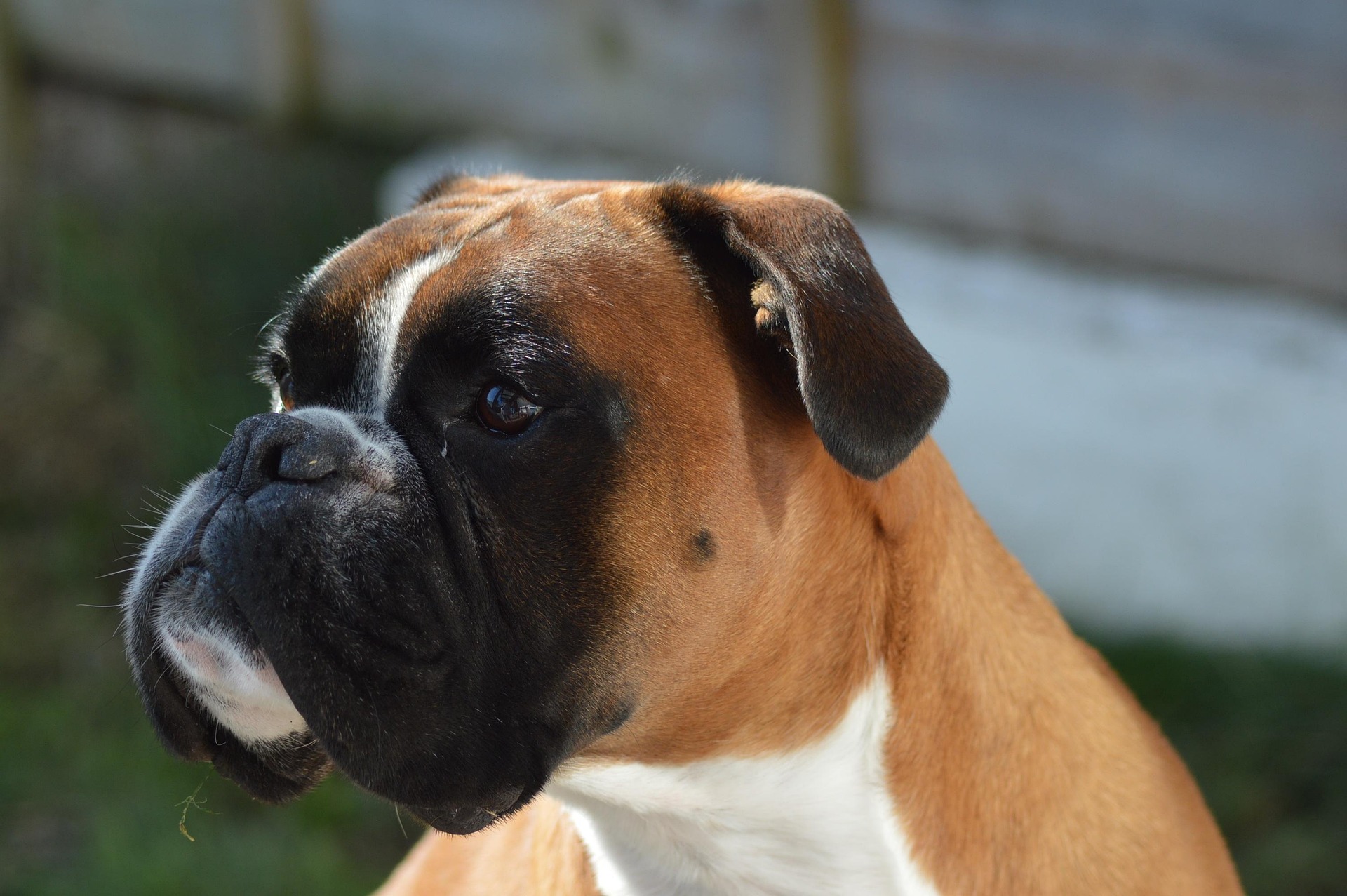
Training your Boxer to be a good watchdog doesn’t mean turning your pet into a fierce guard dog — it means building reliable alert behavior, obedience, calm control, and confidence. With the right steps, patience, practice, and positive reinforcement, your Boxer can become a vigilant companion who watches over your home with loyalty and clarity.
Training should be consistent, fun, and safe — because a confident, respectful dog makes the best watchdog of all. kotobook.pet
📚 Resources & Further Reading
✔ Boxer Breed Profile (Training & Guard Ability) — DogAcademy.org DogAcademy.org
✔ Tips for Training Your Boxer Dog — PetAssure.com petassure.com
✔ Basic Watchdog Training Guide — WagWalking.com Wag!
✔ Boxer Breed Temperament Overview — BarkBusters.com BarkBusters.com