Boxer dogs are one of the most popular and beloved breeds worldwide. Known for their energetic personalities, athletic builds, and affectionate nature, Boxers make wonderful companions for active families and individuals alike. But this high‑energy, intelligent breed also has specific care requirements to stay fit, mentally stimulated, and healthy throughout their life. Whether you’re a new Boxer owner or have lived with these playful canines for years, this guide gives you everything you need to know — from exercise and nutrition to training, grooming, and preventative health care.
Introduction: Why Special Care Matters for Boxers
Boxers are a medium‑to‑large muscular dog breed with high exercise needs, strong personalities, and a predisposition for certain health issues. They were originally bred in Germany for working roles, including hunting and guarding, and still retain both the physical endurance and mental curiosity that makes them wonderful companions — but also dogs that can struggle without structured care. PetMD+1
Keeping your Boxer fit, happy, and healthy is about more than just walks — it includes daily activity, proper nutrition, socialization, training, preventative health care, and mental stimulation.
1. Build a Sustainable Exercise Routine
How Much Exercise Do Boxers Need?
Boxers are energetic and athletic dogs that require at least 60 to 120 minutes of exercise daily — and that can vary depending on age, health status, and temperament. PetMD+1
Recommended activities include:
-
Brisk walks and jogs
-
Interactive play sessions (fetch, tug‑of‑war, frisbee)
-
Off‑leash time in secure areas
-
Canine sports like agility or rally training
-
Mental games like hide‑and‑seek or scent work BoxerAdopt.org+1
Split Exercise Across the Day
Because Boxers can overheat and struggle with breathing (they are a brachycephalic breed), it’s best to divide exercise into multiple short sessions rather than one long routine. This helps prevent exhaustion and overheating, especially in hot weather. petplan.co.uk
Safety Tips
✔ Monitor your dog’s breathing and energy level during activity.
✔ Avoid strenuous exercise right after feeding to help prevent bloat — a serious health issue for deep‑chested dogs like Boxers. PetMD
✔ Always provide fresh water before, during, and after exercise. 积玉工作室
2. Nutrition: Feed for Energy, Muscle, and Longevity
Balanced Diet Basics
Proper nutrition is foundational for a healthy Boxer. These dogs need a balanced diet rich in high‑quality protein, healthy fats, and essential nutrients to fuel their muscles and support overall health. 积玉工作室
Key components of a Boxer diet:
-
High‑quality animal protein (chicken, beef, fish) for muscle maintenance
-
Complex carbohydrates for sustained energy
-
Essential fatty acids (omega‑3 and omega‑6) for heart, skin, and coat health
-
Vitamins and minerals for immune support and metabolic function 积玉工作室
Feeding Frequency
Most experts recommend feeding adult Boxers two meals per day, spaced about 12 hours apart. Puppies may require more frequent meals to support growth. PetMD
Choose Quality Dog Food
Select dog food formulated for medium‑to‑large active breeds. Avoid low‑quality ingredients like unnecessary fillers, artificial additives, or ingredients with little nutritional value. allboxerinfo.com
Tips for feeding:
-
Read labels and choose brands with meat as the first ingredient
-
Watch portion sizes to prevent weight gain
-
Consider a formula that includes joint support nutrients like glucosamine and chondroitin Pet Honesty
Hydration Is Essential
Boxers are active and can overheat easily. Always provide clean, fresh water throughout the day — especially during exercise or warm weather. 积玉工作室
3. Mental Stimulation and Behavior
Boxers are bright, playful dogs — and mental stimulation is just as important as physical activity.
Why Mental Games Matter
Without mental engagement, Boxers can become bored and develop behaviors like:
-
Excessive barking
-
Chewing furniture
-
Digging
-
Hyperactivity BoxerAdopt.org
Fun Ideas for Brain Work
✔ Puzzle toys and food‑dispensing toys
✔ Obedience or trick training sessions
✔ Scent games (hide treats around the home)
✔ Dog sports (agility courses, rally, obedience competitions)
✔ Interactive play with family members FUNNYFUZZYUK
Even simple games like hide‑and‑seek or teaching new tricks can keep your Boxer’s mind sharp and reduce boredom behaviors.
4. Training: Foundation for Happiness and Safety
Training is essential to ensure your Boxer remains a joy to be around — socially grounded, confident, and responsive.
Start Early
If you have a puppy, begin training as soon as possible. Early obedience classes and socialization help shape a well‑behaved adult dog. BoxerAdopt.org
Positive Reinforcement Works Best
Boxers respond exceptionally well to positive reinforcement — praise, treats, and play — rather than punishment‑based methods. They are intelligent but can be sensitive and stubborn without clear guidance. petplan.co.uk
Key Training Goals
✔ Leash manners (no pulling)
✔ Recall (come when called)
✔ Sit, stay, down
✔ Socialization with people and other animals
✔ Calm behavior around distractions BoxerAdopt.org
Regular training strengthens the owner‑dog bond and prevents misbehavior caused by lack of engagement.
5. Grooming: Simple but Important
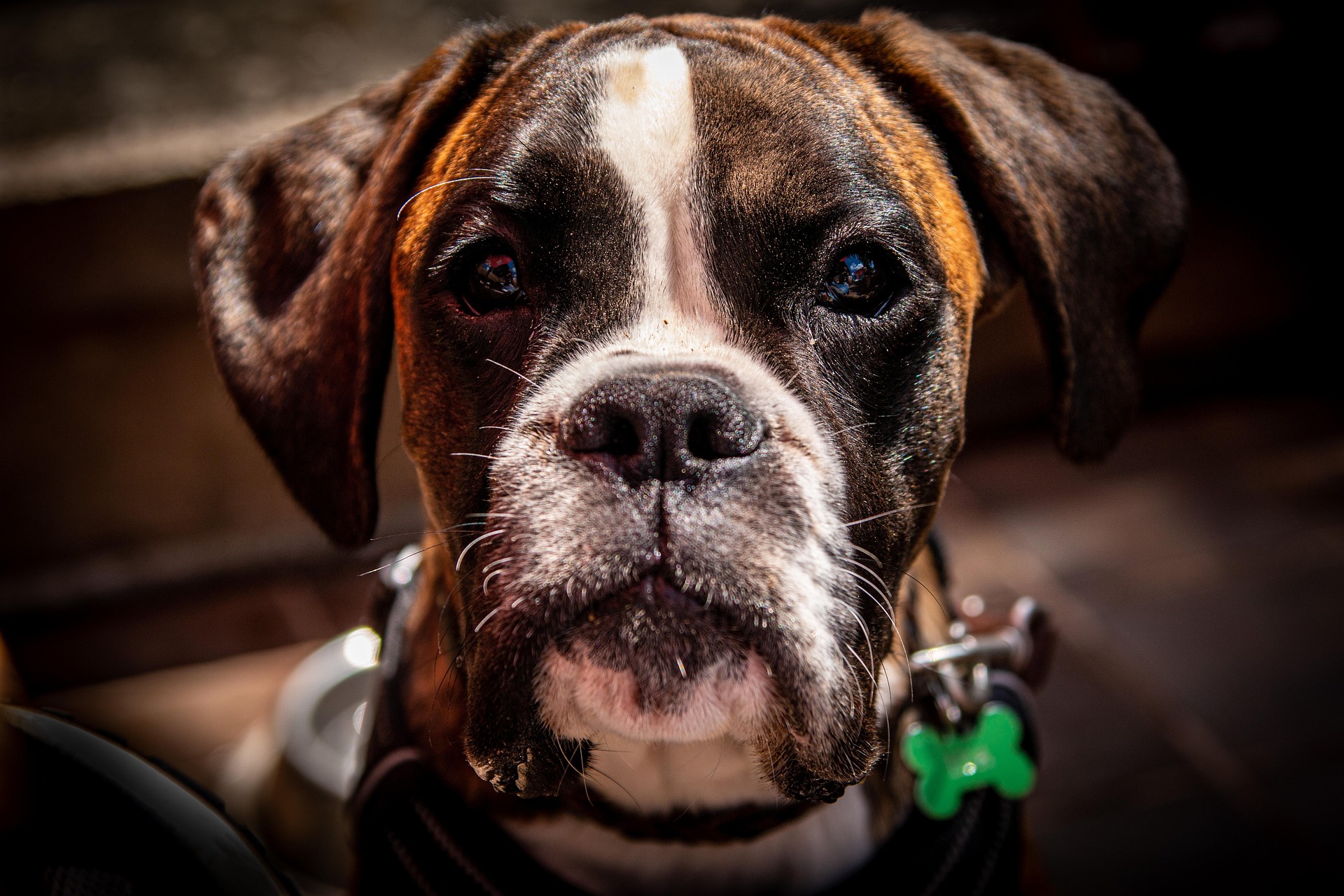
Boxers have short, smooth coats that are relatively low maintenance, but grooming still plays an important role in their overall health.
Brushing and Coat Care
Weekly brushing with a rubber grooming mitt helps remove loose hair and reduce shedding. It also distributes natural oils for a healthy, shiny coat. FUNNYFUZZYUK
Bathing
Boxers don’t need frequent baths — usually only when dirty or every few months — to avoid stripping the skin of natural oils. Articles Factory
Ears and Dental Care
✔ Check ears regularly and clean if needed to prevent infection.
✔ Brush your Boxer’s teeth several times a week to prevent tartar buildup and gum disease — dental issues are common in many breeds. CitizenShipper
Nail Trimming
Trim nails regularly (about every 2–4 weeks) to prevent overgrowth and discomfort — especially important for active dogs that run and play often. CitizenShipper
6. Preventative Health Care Is Essential
Regular Veterinary Checkups
Routine vet visits — ideally at least yearly — allow your veterinarian to:
-
Perform physical exams
-
Catch early signs of disease
-
Update vaccinations
-
Monitor weight, dental, and heart health
-
Discuss diet or behavior concerns PetMD
Because Boxers are predisposed to certain health conditions, preventative care goes a long way.
Breed‑Specific Health Concerns
Boxers are prone to:
-
Heart issues (cardiomyopathy)
-
Bloat (gastric dilatation‑volvulus)
-
Hip dysplasia
-
Certain cancers
-
Respiratory sensitivity due to short muzzle PetMD
Regular monitoring and early intervention can make a significant difference in outcomes.
7. Monitor Weight and Body Condition
Keeping your Boxer at a healthy weight prevents many problems like joint issues, heart strain, and metabolic disorders.
Signs Your Boxer May Be Overweight
✔ Difficulty feeling ribs under a slight fat layer
✔ Little to no waistline when viewed from above
✔ Reduced activity or exercise intolerance allboxerinfo.com
Speak with your vet if you’re unsure about your dog’s ideal weight — they can help create a feeding and fitness plan tailored to your dog’s needs.
8. Seasonal Care and Special Considerations
Hot Weather Tips
Boxers are prone to overheating due to their short snout. In warm weather:
-
Exercise during cooler parts of the day
-
Provide shade and fresh water
-
Watch for signs of heat stress (excessive panting, drooling) petplan.co.uk
Cold Weather Tips
Their short coat offers little insulation, so in colder climates consider:
-
Dog jackets or sweaters
-
Limiting outdoor playtime in freezing weather
-
Drying off briskly after snow or rain to prevent chills Articles Factory
9. Mental Well‑Being and Social Interaction
Boxers are social animals that thrive on interaction. Goals for mental well‑being include:
✔ Daily companionship — Boxers don’t do well left alone for long periods. Veterinary Care at Your Fingertips
✔ Puppy socialization to prevent fearfulness later in life. BoxerAdopt.org
✔ Playdates with other dogs when appropriate.
✔ Owner engagement in play and training.
Mental and emotional health is just as important as physical health for a happy Boxer.
10. Special Life Stage Care
Puppies
Puppies need:
-
Frequent play sessions and short training bursts
-
Puppy‑appropriate nutrition
-
Socialization with people and dogs
-
Gentle exposure to new environments BoxerAdopt.org
Adult Boxers
Adults benefit from:
-
Structured exercise routines
-
Advanced training
-
Continued social engagement
Senior Boxers
Older Boxers may need:
-
Lower‑impact exercise
-
Joint supplements (after vet consult)
-
More frequent health screenings Pet Honesty
Conclusion: A Holistic Approach to Boxer Care
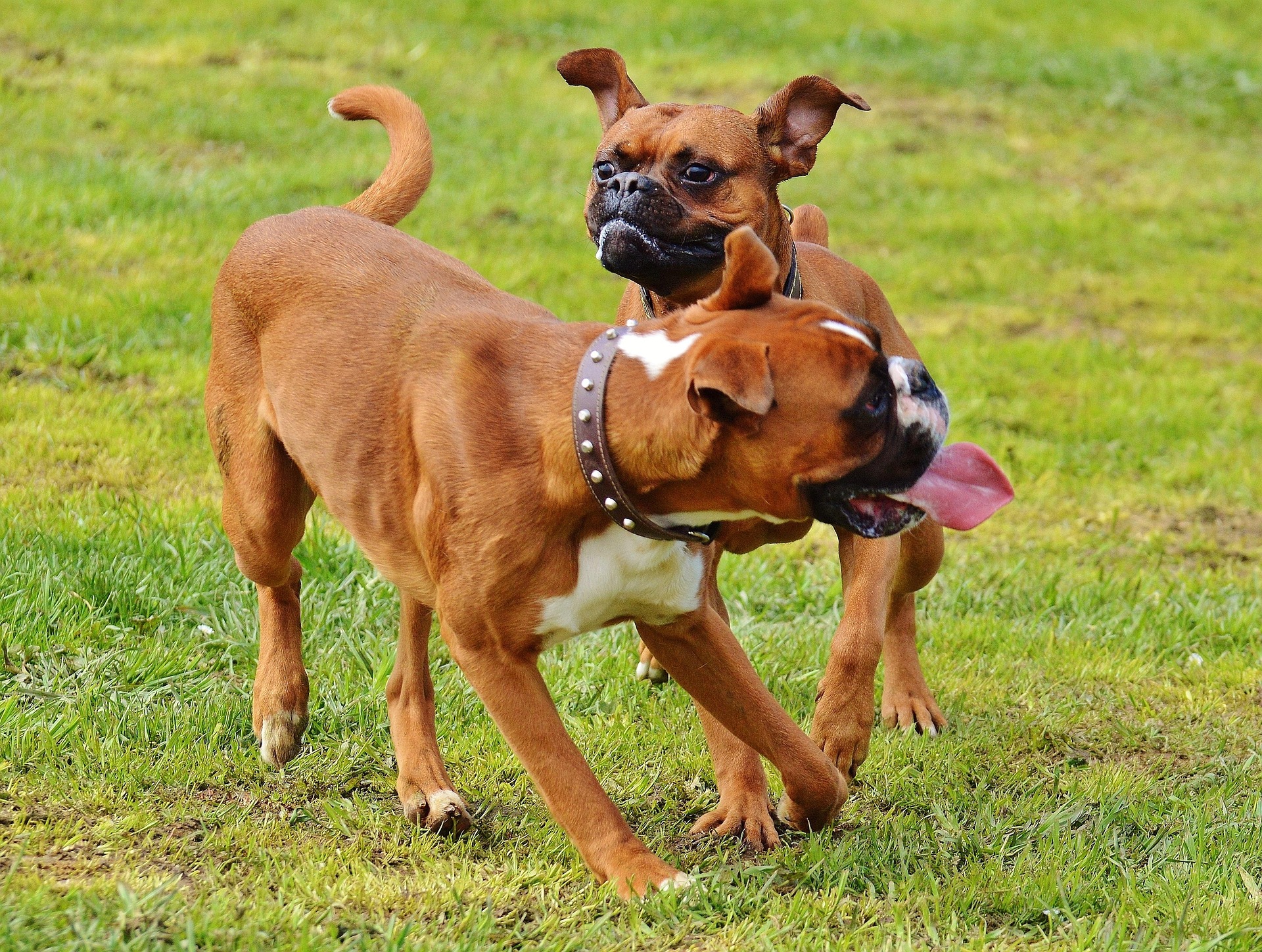
Keeping your Boxer fit, happy, and healthy requires a multi‑faceted approach — from daily exercise and balanced nutrition to mental stimulation, preventative care, grooming, and seasonal considerations. Understand your Boxer’s unique needs and tailor a care plan that supports their body, mind, and emotional well‑being. With consistency and love, your Boxer can thrive and remain a loyal, energetic, and joyful companion for many years.
Further Resources
✔ PetMD – Boxer Dog Breed Health and Care — In‑depth breed health overview. PetMD
✔ BoxerAdopt.org – Boxer Breed Info and Care Tips — Temperament, exercise, and lifestyle guidance. BoxerAdopt.org
✔ Royal Canin – Boxer Care and Exercise Needs — Breed‑specific care recommendations. Royal Canin
✔ FunnyFuzzy – Exercise and Mental Stimulation Tips — Creative ways to engage your Boxer. FUNNYFUZZYUK
✔ Pet Honesty – Nutrient and Supplement Information — Support for joints, coat, and digestion. Pet Honesty