Boxers are affectionate, intelligent, and energetic dogs — loyal companions who bond deeply with their owners. While these traits make them wonderful family pets, they can also lead to a common behavioral challenge: separation anxiety. This condition occurs when your dog experiences stress and panic from being alone, and it can significantly impact both their well‑being and your household’s harmony.
In this detailed guide, you’ll learn what separation anxiety is, how to recognize it in your Boxer, and — most importantly — effective strategies to help your dog feel safe, confident, and calm when alone.
What Is Separation Anxiety?

Separation anxiety in dogs is more than just sad behavior when you leave the house. It’s a stress response that can arise when a dog — especially a social, human‑oriented one like a Boxer — can’t cope with being alone or expects negative outcomes from solitude.
According to canine behavior experts, separation anxiety is triggered by distress from being away from family members, and it often manifests with behaviors that are far more intense and destructive than situational “boredom.” purina.ua
In some dogs, the emotional response to separation resembles a human’s panic attack — releasing stress hormones and triggering worry behavior that can last for long periods. RBC Ukraine
Classic signs include:
-
Excessive barking, whining, or howling when alone
-
Restlessness and pacing
-
Destructive chewing or scratching at doors, furniture, and walls
-
Attempts to escape confinement or the home
-
Inappropriate urination or defecation despite being house trained
-
Loss of appetite or drooling
-
Shaking, hyper‑alertness, or watchful behavior at exits
If you’ve seen many of these behaviors, especially in your Boxer when you leave the house, they may be showing separation anxiety rather than normal independent behavior. purina.ua
Why Boxers Are Prone to Separation Anxiety
Boxers are known for being affectionate and “velcro dogs”, meaning they like to stick close to their humans. This trait, while endearing, can increase the likelihood of anxiety when they perceive separation. Veterinary Care at Your Fingertips
Other contributing factors include:
-
Lack of early socialization and alone‑time experience
-
Sudden changes in routine or environment
-
Previous traumatic experiences related to abandonment
-
Changes such as a new job schedule or moving homes
-
Lack of exercise or mental stimulation
-
Genetics and personality traits
Because Boxers are high‑energy, intelligent dogs, boredom — combined with solitude — can quickly escalate into anxiety. ronzeil.com+1
How to Recognize Separation Anxiety in Your Boxer
Before you can help your Boxer, you need to identify the signs. Below is a detailed breakdown of observable behaviors linked to separation anxiety.
Behavioral Signs
-
Vocalization
Barking, whining, or howling immediately after you leave and continuing throughout your absence. purina.ua -
Destruction
Chewing furniture, doors, or personal items; scratching at walls, latches, or windows to escape. RBC Ukraine -
Escape Attempts
Digging at doors, jumping through windows, or breaking out of crates or gated areas. RBC Ukraine -
House Soiling
Urinating or defecating indoors despite being house trained. purina.ua -
Excessive Pacing
Walking the same route over and over, often in a straight line, as they wait for you. purina.ua -
Self‑Inflicted Injury
Scratching, chewing, or biting themselves due to stress or conflict. (Often requires veterinary advice.)
Not All Alone Behavior = Separation Anxiety
It’s important to differentiate normal alone behavior from anxiety:
| Normal | Separation Anxiety |
|---|---|
| Quietly resting alone | Constant whining or pacing |
| Independent play | Frantic escape attempts |
| Ignoring you when you leave | Destructive behavior only when you’re gone |
| Sleeping | Stress behaviors before / after departure |
Use video monitoring or pet cameras to observe your dog’s behavior when you’re away. This can help you assess whether the behaviors are anxiety‑driven or simple boredom.
Strategies to Handle and Reduce Separation Anxiety
Helping a Boxer overcome separation anxiety takes time, patience, and consistency. Below are scientifically supported methods that work for many dogs.
1. Create a Predictable Daily Routine
Boxers thrive on consistency. Establish a daily schedule for meals, walks, playtime and rest. Predictability can reduce the emotional stress that your dog feels when anticipating being alone. NewsBytes
-
Feed meals at consistent times
-
Schedule walks or playtime before you leave
-
Use the same calm departure routine
Consistency helps a dog feel secure that you always come back, which gradually reduces anxiety.
2. Gradual Desensitization to Alone Time
One of the most effective training techniques for separation anxiety is desensitization — teaching your dog that being alone is okay and temporary.
How to Do It:
-
Start with very short absences (e.g., leave the room for 1–2 minutes).
-
Return casually — no excitement, no big greetings.
-
Gradually increase duration over time.
-
Work up to longer absences only when calm response is consistent.
This gradual process conditions your Boxer to expect future returns and helps them build confidence in being left alone. NewsBytes
3. Structured Departure Practice
Practice departures without actually leaving:
-
Grab your keys, put on shoes, walk to the door… then sit back down.
-
Repeat unpredictably throughout the day.
-
This helps break the association between “pre‑departure cues” and anxiety. BarkBusters.com
Try doing these non‑leaving departures several times per day.
4. Increase Exercise and Mental Stimulation
Boxers are high‑energy dogs, and physical energy can fuel anxiety if not expended.
Before you go:
-
Take your Boxer for a long walk, run, or vigorous play session
-
Use a treadmill or high‑intensity training — even a short session can help “reset” their calm response afterward ronzeil.com
At home:
-
Provide puzzle toys
-
Give treat puzzles that require problem‑solving
-
Leave a Kong stuffed with treats or peanut butter
Interactive and slow‑release toys help distract and engage their brain while you’re away. allboxerinfo.com
5. For Severe Anxiety — Crate Training (When Appropriate)
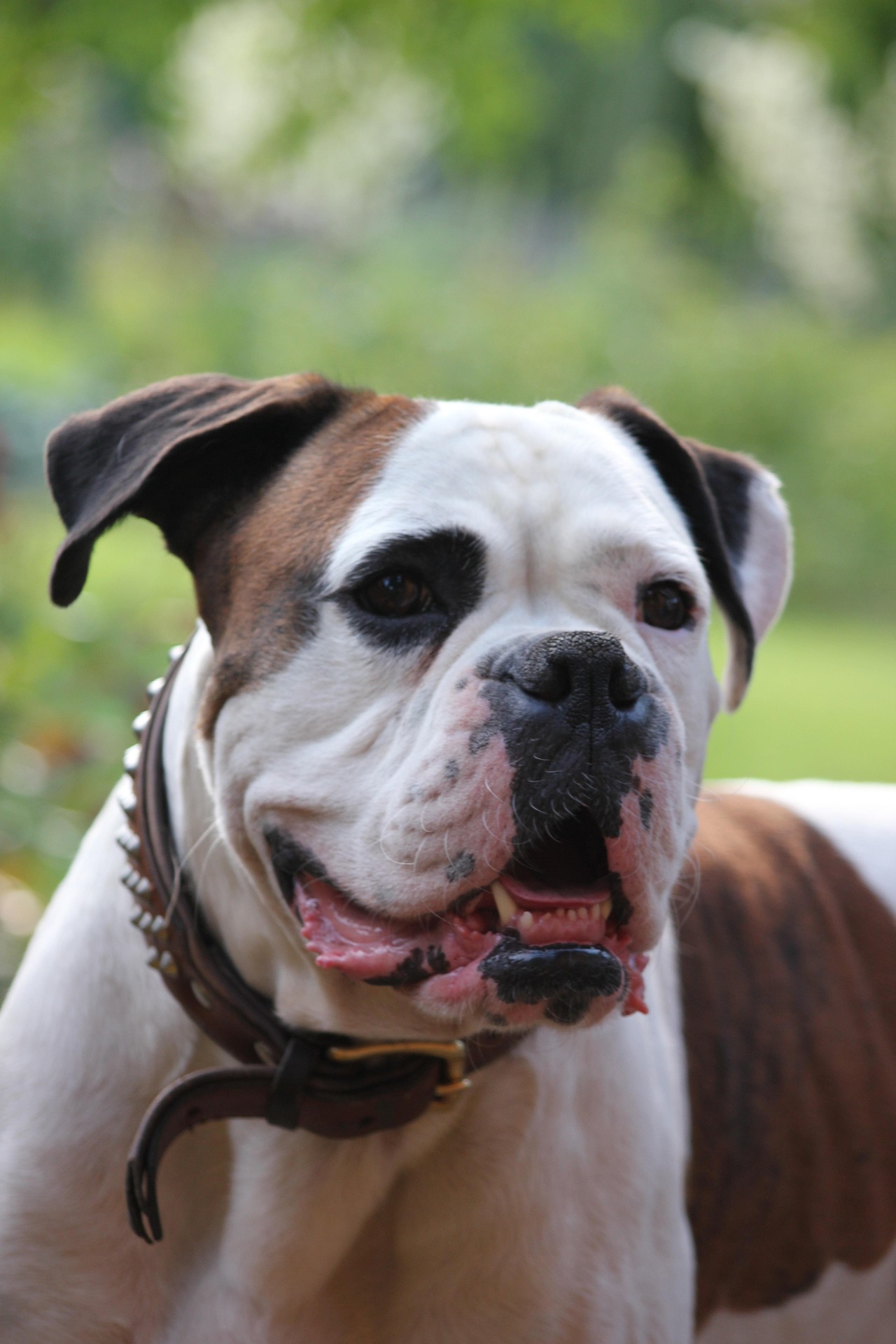
Crate training can help some Boxers see their crate as a safe, comfortable den — but only if introduced positively. Never use a crate as punishment.
Crate training tips:
-
Start with short positive experiences (meals inside the crate)
-
Make it cozy with blankets and favorite toys
-
Feed meals in the crate to build positive associations
-
Gradually increase duration only when your dog is calm
If your dog reacts negatively to a crate, try a gated room instead or a secure playpen that allows freedom but limits escape attempts. dogmatchup.com
6. Create a Safe Space
Designate a calm zone where your dog feels secure:
-
A comfy dog bed
-
Favorite toys
-
Low noise
-
Background radio or TV music
Leaving a radio or TV playing with calm voices can help many dogs feel less alone. Choose channels with steady, soothing sound and avoid dramatic or loud content. allboxerinfo.com
7. Use Calming Aids and Tools
A variety of products can complement training — not replace it:
-
Anxiety wraps or Thundershirts — gentle pressure can provide reassurance for many dogs. iHeartDogs.com
-
Calming pheromone diffusers or sprays
-
Herbal supplements
-
Soft classical music playlists designed for dogs
These tools can be especially helpful as part of a multi‑approach plan.
8. Positive Reinforcement
Reward calm behavior immediately — even during departure and arrival:
-
Give a treat when your dog stays calm as you leave
-
Ignore excited or anxious behavior
-
Return quietly without a big celebration
This reinforces the idea that calm behavior = positive outcomes.
9. Professional Help and Behaviorists
If your Boxer’s anxiety is severe, worsening, or not responding to basic strategies, it may be time to seek professional help. Expert behaviorists and certified dog trainers can provide individualized programs and guidance. Farmina Pet Foods
Veterinarians or veterinary behaviorists can assess whether medication or clinical behavior modification is appropriate, especially for extreme anxiety. Centre of Excellence
Training Tips: Exercises That Help with Separation Anxiety
Here are actionable training exercises you can begin today:
“Stay and Relax” Training
-
Start with your dog in a sit or down position.
-
Move slowly away, only a step or two.
-
If your dog remains calm, return and reward.
-
Gradually increase distance and time.
This builds confidence and teaches calm independence.
“Place Command”
Train your dog to go to a specific place (e.g., bed or mat):
-
Use treats to lure your dog to the spot
-
Say “place” and reward
-
Increase the duration gradually
This gives your Boxer a designated resting spot and can anchor calm behavior.
Short “Micro‑Absence” Practice
Practice leaving the room for a few seconds — right as your dog settles down. Return calmly and reward only if they stayed calm. Repeat many times throughout the day. Gradually extend the time and distance.
This method reduces the fear that “leaving = disaster”.
Common Challenges & How to Overcome Them
My Boxer Damages the House When I Go
Destructive behavior is a sign of high anxiety. Increase exercise, add interactive toys, and practice gradual desensitization.
Avoid punishment — it can increase stress and fear.
My Boxer Is Worse at Certain Times
Anxiety often gets worse during:
-
Mornings before work
-
Evenings when dog expects company
-
After disruption in routine
Stick to your routine and use calming tools strategically during these peak times.
My Dog Becomes Quiet and Withdrawn
A lack of outward behavior doesn’t mean there’s no anxiety. If your dog freezes, shuts down, or shows stress signals (panting, trembling, yawning), manage their environment gently and seek professional help if needed.
Monitoring Progress
Improvement can be gradual — changes often occur in weeks to months, not days. Track your dog’s behavior over time:
✔ Does anxious behavior decrease when you return?
✔ Does your Boxer settle faster when alone?
✔ Are escapes, barking, and destruction reduced?
Use a camera to objectively measure progress.
Prevention: Stopping Separation Anxiety Before It Starts
If your Boxer is a puppy or newly adopted:
-
Teach alone time early
-
Establish routines
-
Practice short departures regularly
-
Provide mental stimulation daily
-
Reward calm behavior
Early positive experiences with alone time build confidence and reduce the likelihood of persistent separation anxiety. Pet Reader
Conclusion
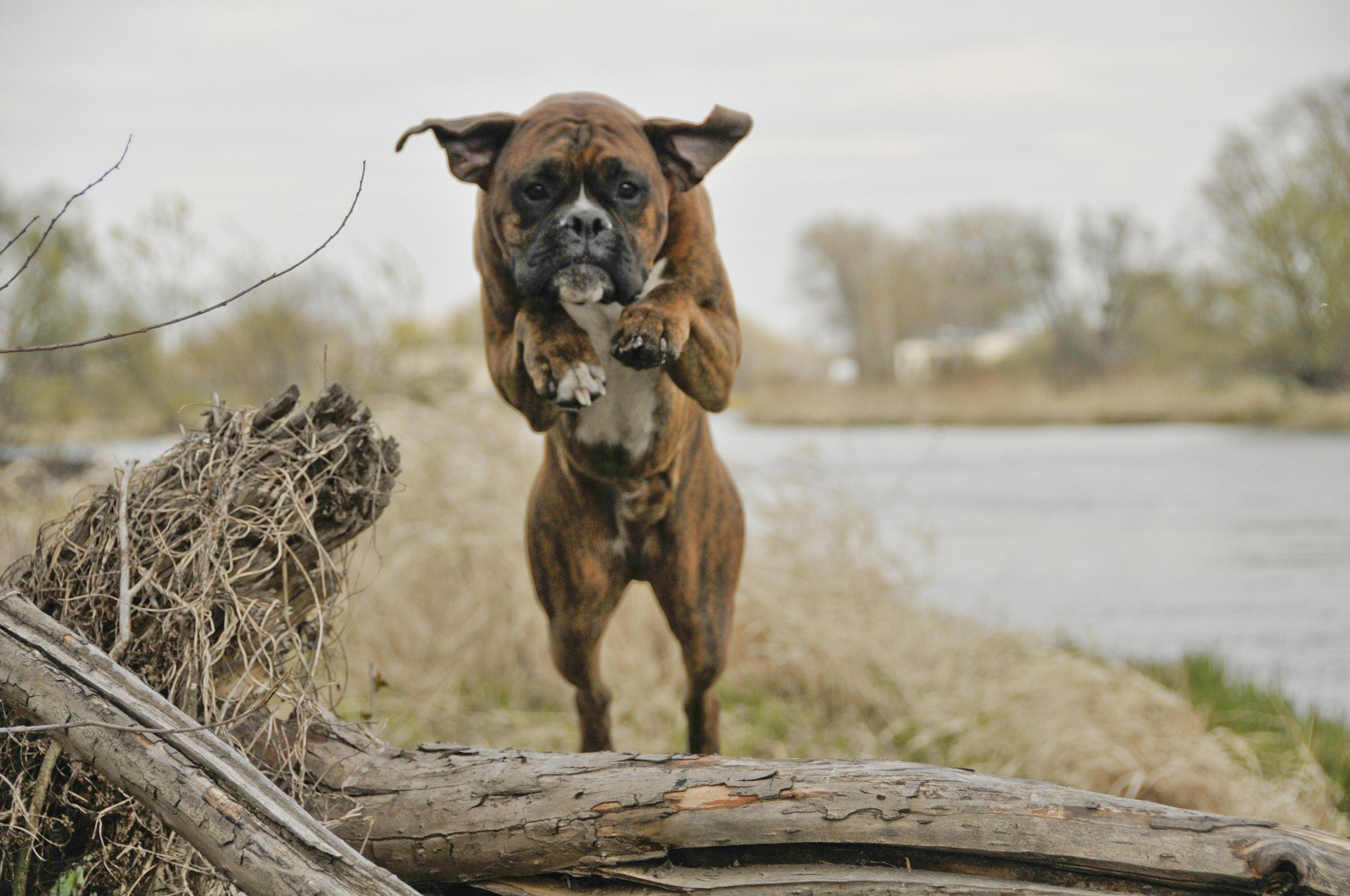
Handling Boxer separation anxiety takes patience, structured training, positive reinforcement, and consistency. Understand your dog’s triggers, create a predictable daily routine, use gradual desensitization, provide plenty of exercise and mental engagement, and incorporate supportive tools like calming aids.
⏱ Remember: Separation anxiety is a behavior — and behavior can be reshaped with time and practice.
Your Boxer doesn’t have to suffer in silence. With the right approach, your dog can learn that being alone doesn’t mean fear — just another part of a happy, balanced life.
References & Further Reading
Here are the source links used in this article for deeper learning:
-
Guide to managing separation anxiety in dogs — Bark Busters (training tips) Separation Anxiety Training Techniques and Tips – Bark Busters
-
Boxer‑specific separation anxiety & calming strategies Boxer Dog Separation Anxiety Guide – AllBoxerInfo
-
Practical tips for Boxers & daily routine benefits Managing Boxer Dog Separation Anxiety – NewsBytes App
-
Dog desensitization & exercise interventions General Separation Anxiety Help – Centre of Excellence
-
Tips for Boxers and anxiety calming products 8 Sure‑Fire Ways to Calm Your Boxer’s Anxiety – iHeartDogs
-
Puppy and dog anxiety basics Separation Anxiety in Dogs – Purina (background info)
-
Preventing anxiety in Boxers Best Ways to Prevent Separation Anxiety in a Boxer Dog – Pet Reader