Video: Boxer Training Basics & Stubborn Behavior
https://www.youtube.com/watch?v=VZIMwSukyY8
Video: Advanced Boxer Obedience Tips
https://www.youtube.com/watch?v=oBt53YbR9K4
If you own a Boxer dog — or are thinking about getting one — you’ve likely wondered why they can be so stubborn and what you can do about it. Boxers are affectionate, playful, and loyal dogs, but their strong personalities can sometimes make training feel like a challenge. In this comprehensive guide, we’ll explore why Boxers can be stubborn, how to manage and train them effectively, and expert-backed techniques to help you build a strong bond. We’ll also link real training resources so you can dig deeper.
Introduction: Understanding Boxer Personalities
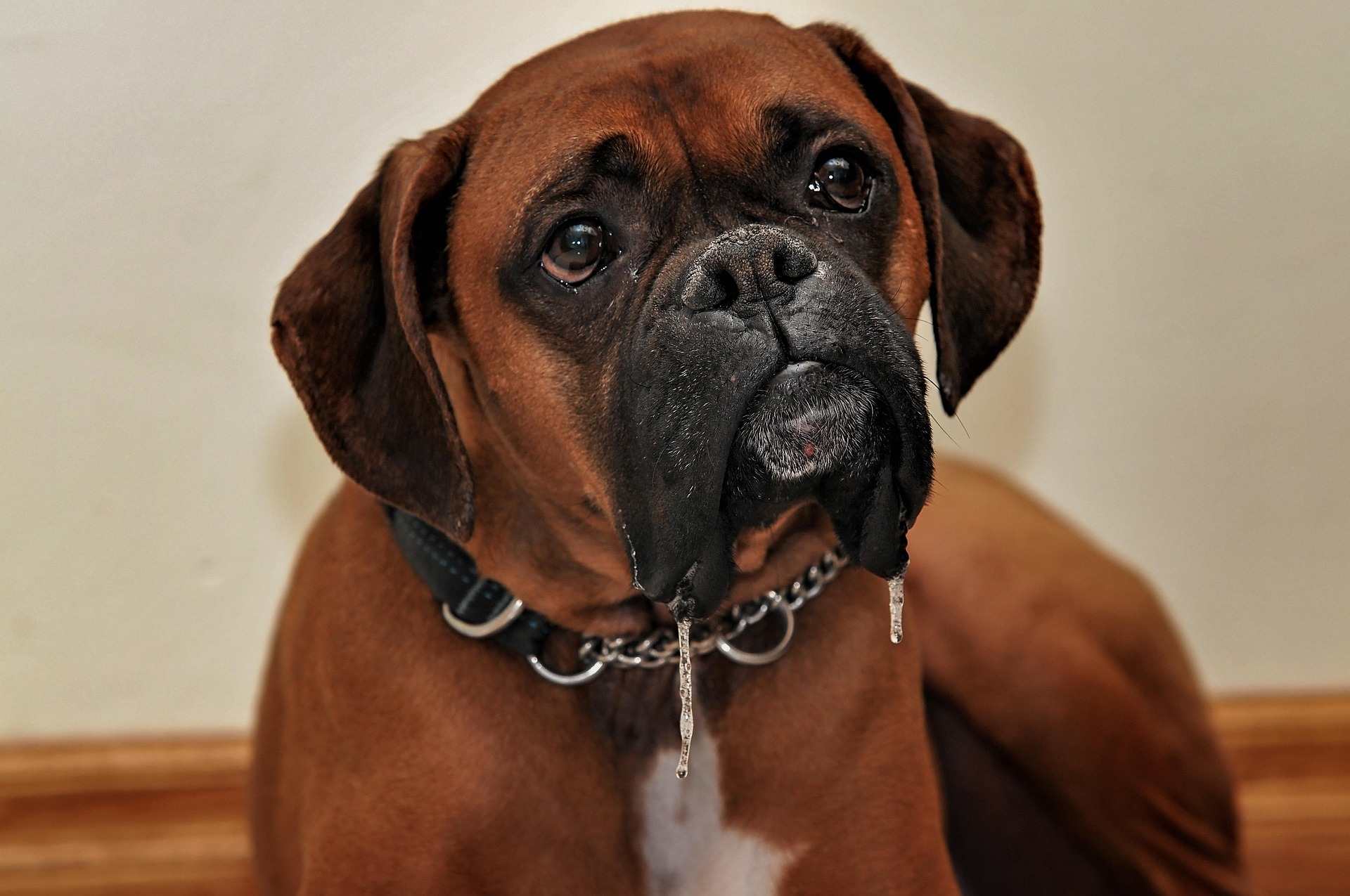
Boxers are a medium-to-large breed originally developed in Germany for work — guarding, companionship, and even tasks in the military. They are intelligent, lively, and confident dogs with a high energy level and a mind of their own. Wikipedia
While most Boxers are eager to please, they also have a strong will and high levels of curiosity that can come across as stubbornness — especially during training sessions. This doesn’t mean they’re “bad”; it simply means they respond best to training that respects their temperament. Let\’s Learn Slang
1. Why Boxers Can Be Stubborn
Before we dive into strategies, it’s key to understand that stubborn behavior in Boxers is often not defiance, but a combination of:
-
Strong energy and drive
-
Playful, inquisitive nature
-
Short attention spans at times
-
Intelligence that can make them test boundaries
Stubbornness may show up as ignoring commands, pulling on the leash, or delaying responses — especially if a Boxer isn’t adequately stimulated physically or mentally. Next Level Dog Training
Additionally, Boxers are emotional dogs that respond best to positive engagement — not punishment — which can backfire and damage trust. Veterinary Care at Your Fingertips
2. Foundations of Successful Training
Training a stubborn Boxer starts with a few core principles:
2.1 Positive Reinforcement Is Key
Treats, praise, play, and rewards for good behavior help Boxers make positive associations with commands. When they repeat a good behavior and get rewarded immediately, they begin to understand what you want. Let\’s Learn Slang
2.2 Clear and Consistent Commands
Use simple, one-word cues like “sit,” “stay,” and “come.” Always use the same command for the same behavior, so the dog doesn’t get confused. Let\’s Learn Slang
2.3 Short, Fun Training Sessions
Boxers can lose focus if training is too long or repetitive. Instead, keep sessions around 5–15 minutes, several times per day. This keeps their attention and makes them look forward to learning. Let\’s Learn Slang
2.4 Patience and Persistence
Don’t expect mastery overnight. Boxers are intelligent but sometimes independent thinkers. Patience and repetition help them internalize lessons. Let\’s Learn Slang
3. Step-by-Step Training Strategies
Here’s how to approach training based on real-world advice and dog training principles:
3.1 Establish Leadership Without Harshness
Boxers need structure — not intimidation. Be firm but fair in your training and avoid yelling or punishment, which can cause fear or resistance. Instead, reward calm and cooperative behavior. Veterinary Care at Your Fingertips
3.2 Use High-Value Rewards
Boxers love food and play. Use especially tasty treats like small pieces of chicken or cheese during training to motivate them. American Kennel Club
3.3 Train Daily With Goals
Set small achievable goals, like sit on command 10 times or walk beside you without pulling for 5 minutes. Progress in small steps keeps your Boxer engaged without overwhelming them. Let\’s Learn Slang
3.4 Socialize Early
Exposing your Boxer puppy to people, sounds, and other dogs early on helps reduce fear-based stubbornness and builds confidence. Make these interactions positive and fun. Fur-tales – Site about animals
3.5 Provide Mental Stimulation
Boxers are smart and enjoy puzzles, obedience games, and interactive toys that force them to think — not just run. Engaging their minds reduces boredom-linked stubborn behavior. Let\’s Learn Slang
4. Training Specific Behaviors
Here are solutions to common stubborn-related problems:
4.1 Leash Pulling
Boxers can be strong and excited on walks. Use a sturdy leash and practice stopping or changing direction when your dog pulls. Reward when they walk calmly beside you. Dog Bizness
4.2 Ignoring Commands
If your Boxer ignores a command, it may be because the environment is too distracting. Try practicing indoors or in low-stimulus areas until your dog learns to focus on you. Always reward compliance quickly so the connection is clear. Let\’s Learn Slang
4.3 Jumping and Over-Excitement
Young Boxers often jump on people when greeting. Teach a “sit” before greeting and only give attention when the dog is calm. This reinforces good manners over excitement. Next Level Dog Training
5. Crate Training and Routine
Crate training isn’t just for potty training — it provides Boxers with a safe space and structure. When used appropriately, a crate becomes a training tool rather than punishment. Combined with a consistent daily routine (meals, walks, playtime), it helps reduce stress-related stubborn behaviors. American Kennel Club
6. Recognizing When It’s Not Just Stubbornness

Sometimes what looks like stubborn behavior is actually:
-
Lack of exercise
-
Anxiety
-
Confusion due to inconsistent commands
-
Environmental distractions
If your Boxer consistently resists training despite positive methods and routine, consider consulting a professional trainer or canine behaviorist who understands the breed’s personality. Lancaster Puppies
7. Real Experiences From Boxer Owners
Here’s what actual Boxer owners have shared online:
-
Many owners report initial stubbornness with commands and potty training, which improves with consistent scheduling and praise-based rewards. reddit.com
-
Leash pulling is a frequent challenge, and many owners find success by changing direction frequently and rewarding calm walking. reddit.com
-
Patience, short training sessions, and understanding Boxer personalities are key to progress. reddit.com
These real stories echo the professional advice: stubbornness isn’t a barrier, it’s an invitation to learn together.
8. Advanced Tips for Persistent Problems
Here are a few advanced techniques when basic training plateaus:
8.1 Clicker Training
Using a clicker helps your Boxer understand exactly what behavior earned the reward. Click at the precise moment your dog obeys a command, followed by a treat. This technique sharpens focus and speeds learning. Let\’s Learn Slang
8.2 Structured Play
Incorporate training into play sessions. For example, ask your dog to sit before throwing a toy, which combines obedience with fun and reinforces the behavior. Royvon Dog Training & Hotels
9. Preventing Training Setbacks
To keep progress steady:
-
Avoid long, boring sessions — Boxers tune out when training gets repetitive. Fur-tales – Site about animals
-
Keep consistency across all family members so your dog gets the same cues every time. Let\’s Learn Slang
-
Stay positive — frustration can create negative associations and reduce cooperation. Veterinary Care at Your Fingertips
10. Final Thoughts: Patience, Fun, and Success
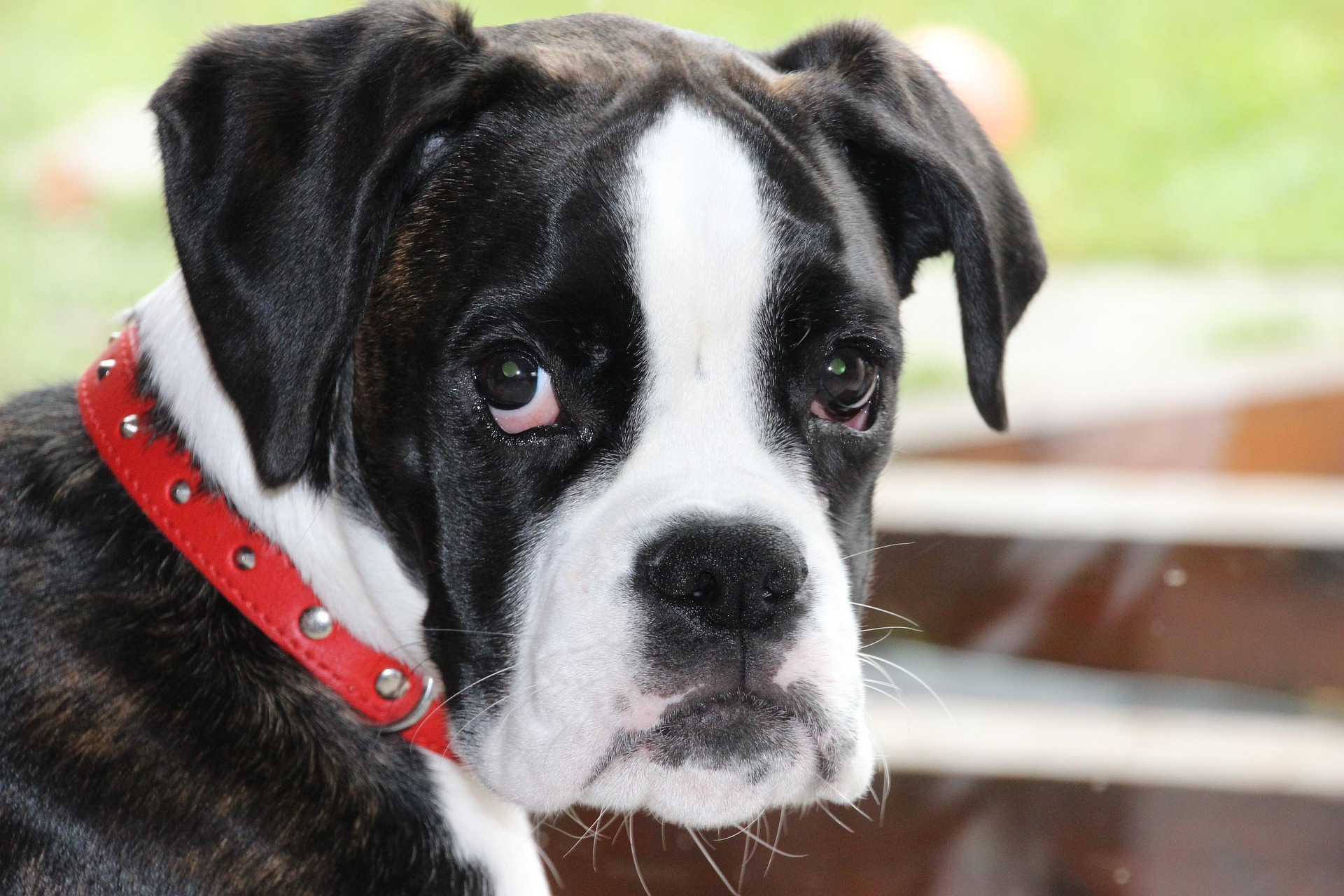
Training a stubborn Boxer dog isn’t about forcing obedience — it’s about building trust, motivation, and communication. These dogs thrive when they feel loved, mentally stimulated, and appreciated for their efforts. With positive reinforcement, clear guidance, and consistency, even the most spirited Boxer can become a well-mannered companion. Let\’s Learn Slang
Helpful Resources & Further Reading
👉 American Kennel Club Boxer Training Tips – reward-based methods for basic and advanced commands. American Kennel Club
👉 PetCare Bad Habits & Stubbornness in Boxers – insight into behaviors and how to change them. Veterinary Care at Your Fingertips
👉 Fur-Tales Puppy Training Guide – early socialization and training foundations. Fur-tales – Site about animals