Boxers are one of the world’s most popular dog breeds — known for their strength, loyalty, energy, and affection. But as adorable as boxer puppies are, they grow into powerful and active adult dogs with their own distinct needs and personalities. Whether you’re thinking about bringing home a boxer puppy or already have an adult boxer, understanding the differences between puppies and adults is essential for training, health, bonding, and overall care.
In this comprehensive guide, we’ll compare puppy boxers vs adult boxers across all key aspects — temperament, training, exercise, nutrition, health, social needs, behavior, and lifestyle — and link you to trusted sources for deeper reading.
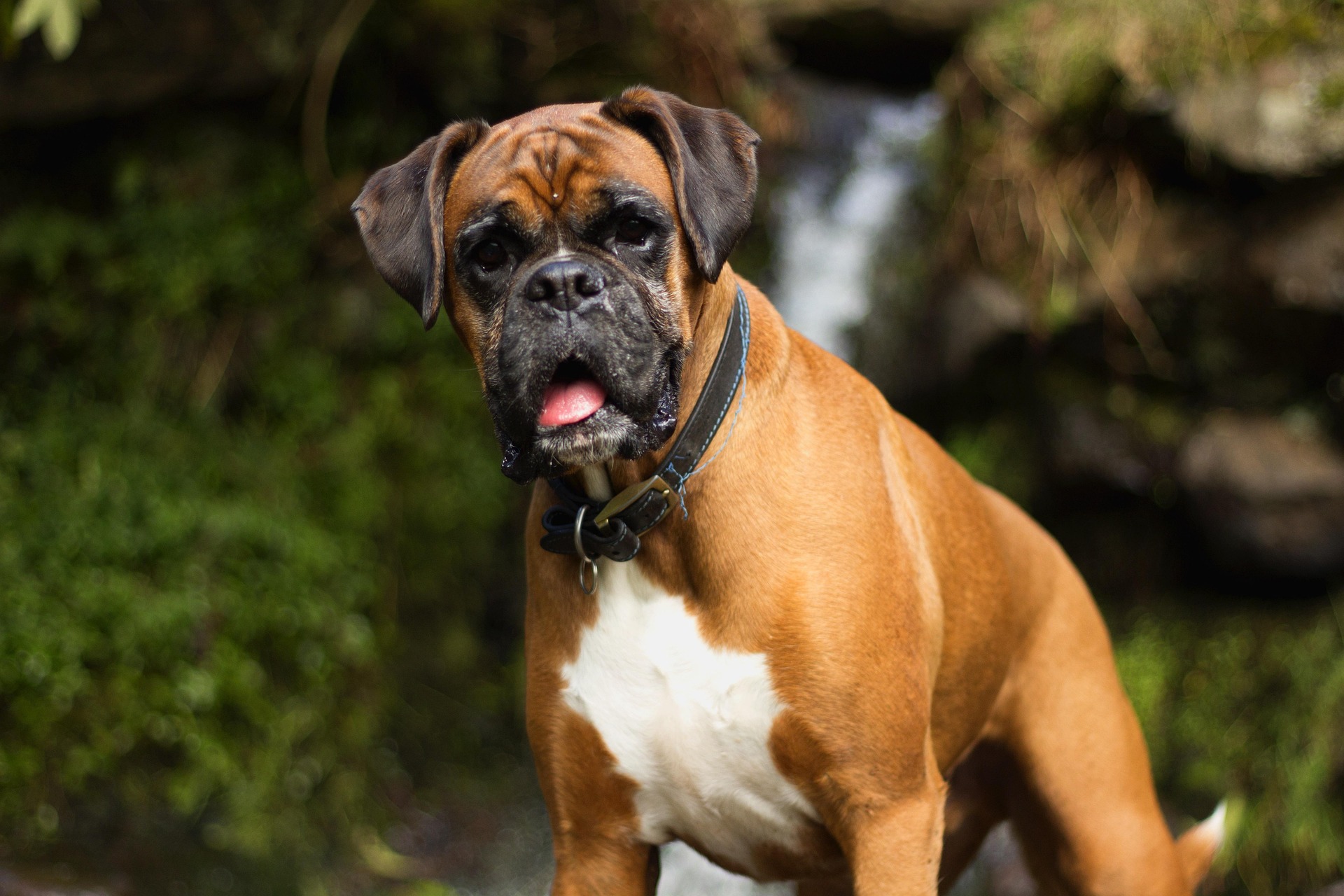
1. Boxer Breed Overview
Boxers are a medium‑to‑large breed originally developed in Germany in the 19th century. They fall into the working group of dog breeds and are known for their short coat, athletic build, square muzzle, and expressive faces. While once used as hunting and working dogs, today’s boxers are cherished family companions around the world. Wikipedia
Key traits include:
-
High energy and stamina
-
Playful and affectionate nature
-
Strong protective instincts
-
Intelligence and trainability Canine Bible+1
2. Growth and Maturity: Puppy vs Adult
Boxer Puppies
Boxer puppies are bundles of energy, curiosity, and rapid growth. They require careful monitoring because their bones and joints are still developing, and too much intense exercise too early can cause injury. Most sources indicate that boxers continue growing for up to 15 months or even longer, with some reaching physical maturity closer to 18 – 24 months. Royal Canin+1
During this stage, puppies:
-
Grow quickly in weight and height
-
Need nutrition tailored to growth
-
Require structured socialization
-
Are learning foundational training skills
Adult Boxers
Once boxers reach adulthood — typically about 1 – 2 years old — they have more predictable physiques and stable energy levels, though they remain active dogs. Adult boxers are at peak physical condition and can participate in more strenuous exercise and learning advanced training tasks. PetMD
3. Temperament and Personality
Puppy Personality
Boxer puppies are:
-
Extremely playful
-
Curious about everything
-
Quick learners (and quick to get bored)
-
Often mouthy and enthusiastic during interaction
According to breed profiles, boxer puppies are affectionate, intelligent, and eager to explore their environment. Proper socialization at an early age helps them grow into confident adult dogs. Petful
Adult Boxer Personality
Adult boxers often show:
-
More focused behavior
-
Greater control and self‑regulation
-
Strong loyalty and attachment to family
While adult boxers remain playful, they are generally calmer than puppies and tend to channel their energy more purposefully — especially with training and structured activities. The Farmer’s Dog
4. Training Differences: Puppy vs Adult
Training boxers is essential at every life stage, but the approach varies significantly.
Training Boxer Puppies
Training in the puppy stage focuses on:
-
House training
-
Crate training
-
Basic obedience (sit, stay, come)
-
Leash manners
-
Socialization with people and other animals
Boxer puppies respond best to positive reinforcement because they are eager to please but quickly lose focus. Their attention spans are short, so training sessions should be brief, engaging, and fun. American Kennel Club
Training Adult Boxers
Adult boxers have more capacity for longer lessons and can handle:
-
Advanced obedience
-
Sport and agility training
-
Structured behavior training
-
Guarding and protection tasks (with professional guidance)
Training adult boxers can be easier in some ways because they have more physical and mental maturity, but consistency remains key. Boxers can be stubborn without clear expectations. petplan.co.uk
5. Exercise and Activity Needs
Exercise for Puppies
Puppies have growing bodies that should be exercised with:
-
Short bursts of play
-
Controlled walks appropriate for their age
-
Supervised outdoor exploration
Too much running, jumping, or long distances in young dogs can impact joint development, so careful pacing and age‑appropriate play are important. PetWave
Exercise for Adult Boxers
Adult boxers need significantly more:
-
60‑90 minutes of daily vigorous activity
-
Hikes, runs, fetch, interactive play
-
Opportunities for mental stimulation
Boxers were bred as athletic dogs and need outlets for their high energy. Without sufficient exercise, they may become bored and develop undesirable habits like chewing, digging, or barking. Canine Bible
6. Nutrition and Feeding Guidelines
Feeding Boxer Puppies
Boxer puppies need diets formulated for large breeds that support bone and joint development. These diets are typically higher in protein and critical nutrients like calcium and phosphorus. Overfeeding during growth phases can contribute to skeletal issues such as hip dysplasia, so feeding according to vet recommendations is essential. Royal Canin
General puppy feeding tips:
-
Follow feeding guidelines on food packaging
-
Divide daily meals into multiple portions
-
Ensure fresh water is always available
Feeding Adult Boxers
Adult boxers require balanced nutrition to maintain lean muscle and overall health. Their diet should include:
-
Quality protein sources
-
Healthy fats for energy
-
Controlled calories to prevent weight gain
A balanced adult diet helps protect heart health (boxers are prone to heart conditions), maintain a healthy weight, and support overall wellness. Royal Canin
7. Health Considerations Across Life Stages
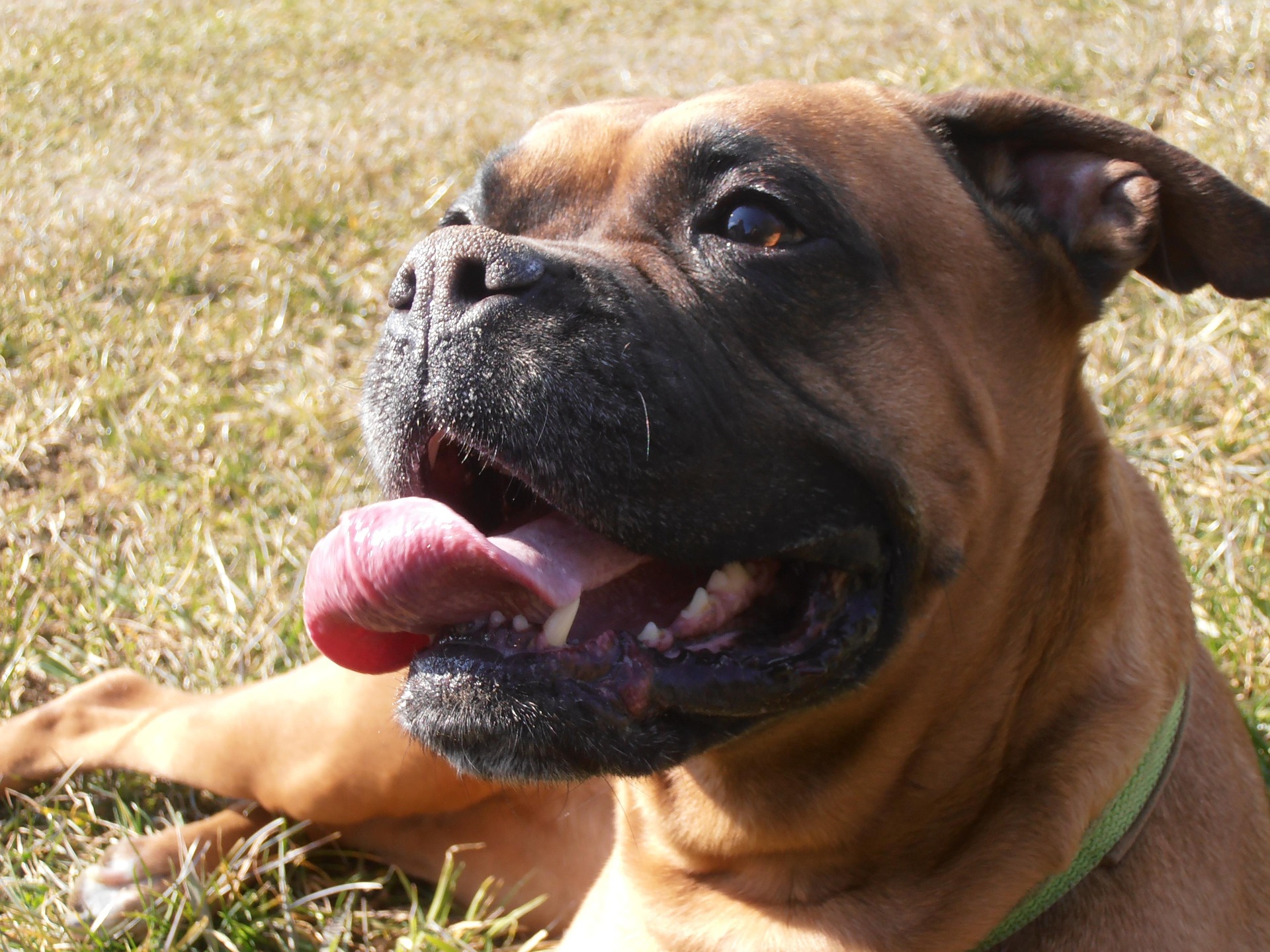
Boxers face some breed‑specific health challenges at all ages, but the priorities differ between puppies and adults.
Health Issues in Boxer Puppies
Watch for:
-
Growth‑related joint and bone concerns
-
Digestive sensitivities
-
Parasite prevention
-
Early socialization to reduce anxiety later
Early vet checkups and preventive care help ensure a strong start.
Health Issues in Adult Boxers
Adult boxers commonly face:
-
Heart conditions like cardiomyopathy
-
Cancer risks as they age
-
Brachycephalic challenges (they have short snouts, which can affect breathing in heat) Royal Canin
Regular wellness checks, exercise moderated for weather conditions, and heart monitoring from a veterinarian help manage long‑term health.
8. Socialization: A Lifelong Requirement
Socializing Boxer Puppies
Puppies must experience new people, environments, sounds, and animals early on to build confidence and reduce fear or anxiety later. Puppy socialization classes and controlled interactions can foster lifelong adaptability. PetMD
Socializing Adult Boxers
Adult boxers who missed early socialization can still benefit from exposure to new experiences. Gradual introduction and positive reinforcement help adult dogs learn to interact peacefully with strangers and other pets.
9. Differences in Behavior and Temperament
Boxer Puppy Behavior
Puppies may display:
-
Nipping and mouthing during play
-
Frequent chewing
-
Unpredictable bursts of energy
-
Short attention spans
These behaviors are normal puppy phases but require training and guidance to mature into good habits. Petful
Adult Boxer Behavior
Adults tend to:
-
Show more self‑control
-
Play with more purpose
-
Exhibit loyalty and protective instincts
Adult boxers may still play energetically, but they often show more discipline than puppies.
10. Grooming Needs: Puppy vs Adult
Grooming is fairly consistent throughout life because boxers have short, low‑maintenance coats:
-
Weekly brushing
-
Occasional bathing
-
Regular nail trimming
-
Ear and dental care
The key difference lies in handling habits: puppies must learn to enjoy grooming early, while adult boxers often tolerate it better with routine. American Kennel Club
11. Lifestyle and Family Considerations
Choosing a Puppy
A puppy can fit into homes wanting maximum time for development, training, and socialization. They adapt easily to routines and families with patience and commitment.
Choosing an Adult Boxer
An adult dog may suit:
-
Families seeking immediate companionship
-
Owners with previous dog experience
-
Households wanting a more predictable temperament
Adult boxers have established personalities, making it easier to evaluate whether they match your lifestyle.
12. Costs and Commitments
Adopting or purchasing a boxer dog — puppy or adult — involves financial and time commitments. Consider:
-
Food and nutrition tailored to age
-
Toys and mental stimulation tools
-
Training classes or behavior support
-
Veterinary care and health screenings
-
Time for exercise and social engagement
While puppies require more initial training time, adult boxers often need sustained activity and mental challenges.
13. Benefits of Boxers at Every Age

Why Boxer Puppies Are Great
-
Cute, playful, and engaging
-
Easier to socialize from scratch
-
Can grow into adult dogs shaped by your guidance
Why Adult Boxers Are Great
-
Often already trained in basic manners
-
Stable personalities you can assess before adoption
-
May integrate quickly into family life
No matter the age, boxers offer boundless love and loyalty when given the right environment.
14. How to Decide: Puppy or Adult Boxer?
Ask yourself:
-
How much time can you invest in training?
-
Do you want a long‑term commitment (10+ years)?
-
Are you prepared to handle a high‑energy dog?
-
Do you have experience with dogs or need training resources?
If you enjoy shaping a personality and have time for learning and patience, a puppy may be perfect. If you prefer a dog with some established habits and temperament, consider an adult boxer.
15. Final Thoughts
Both boxer puppies and adult boxers are rewarding companions — but understanding the differences is critical to responsible ownership. Puppies grow quickly and need early training and structure, while adults require consistency, enrichment, and physical activity every day.
With the right knowledge and preparation, boxers at any age can become beloved members of your family.
References & Further Reading
Here are the sources referenced in this article for deeper research:
🔗 Canine Bible — Boxer Info & Care: Energy requirements by age and temperament. Canine Bible
🔗 PetMD — Boxer Breed Health & Training: Behavior and early socialization. PetMD
🔗 PDSA — Boxer Care Guide: Exercise, grooming, and lifestyle needs. PDSA
🔗 Royal Canin — Feeding and Health: Nutrition needs for growing boxers. Royal Canin
🔗 AKC — Boxer Training Timeline: Puppy training milestones. American Kennel Club
🔗 Petful — Boxer Puppy Traits: Early behavior and temperament. Petful
🔗 Hill’s Pet — Breed Overview: Boxer characteristics and grooming. Hill’s Pet Nutrition
🔗 Royal Canin — Boxer Breed Info: Growth stages and feeding. Royal Canin