Boxer puppies are energetic, lovable, and full of personality — but watching them grow can feel like a whirlwind! From tiny newborns barely able to open their eyes to powerful young adults chasing tennis balls, a Boxer’s growth journey is remarkable and unique. Understanding the key physical, behavioral, and developmental stages helps you give your pup the best care, training, and nutrition at the right times.
In this comprehensive guide, you’ll learn:
-
What growth stages Boxer puppies go through
-
Physical milestones, weight averages, and when they happen
-
Behavioral and training expectations
-
Feeding and care tips for each stage
-
Common concerns and how to address them
We’ll also link to reliable sources so you can read further and feel confident in every step of your Boxer puppy’s growth.
1. Understanding Boxer Growth: Big Picture Overview
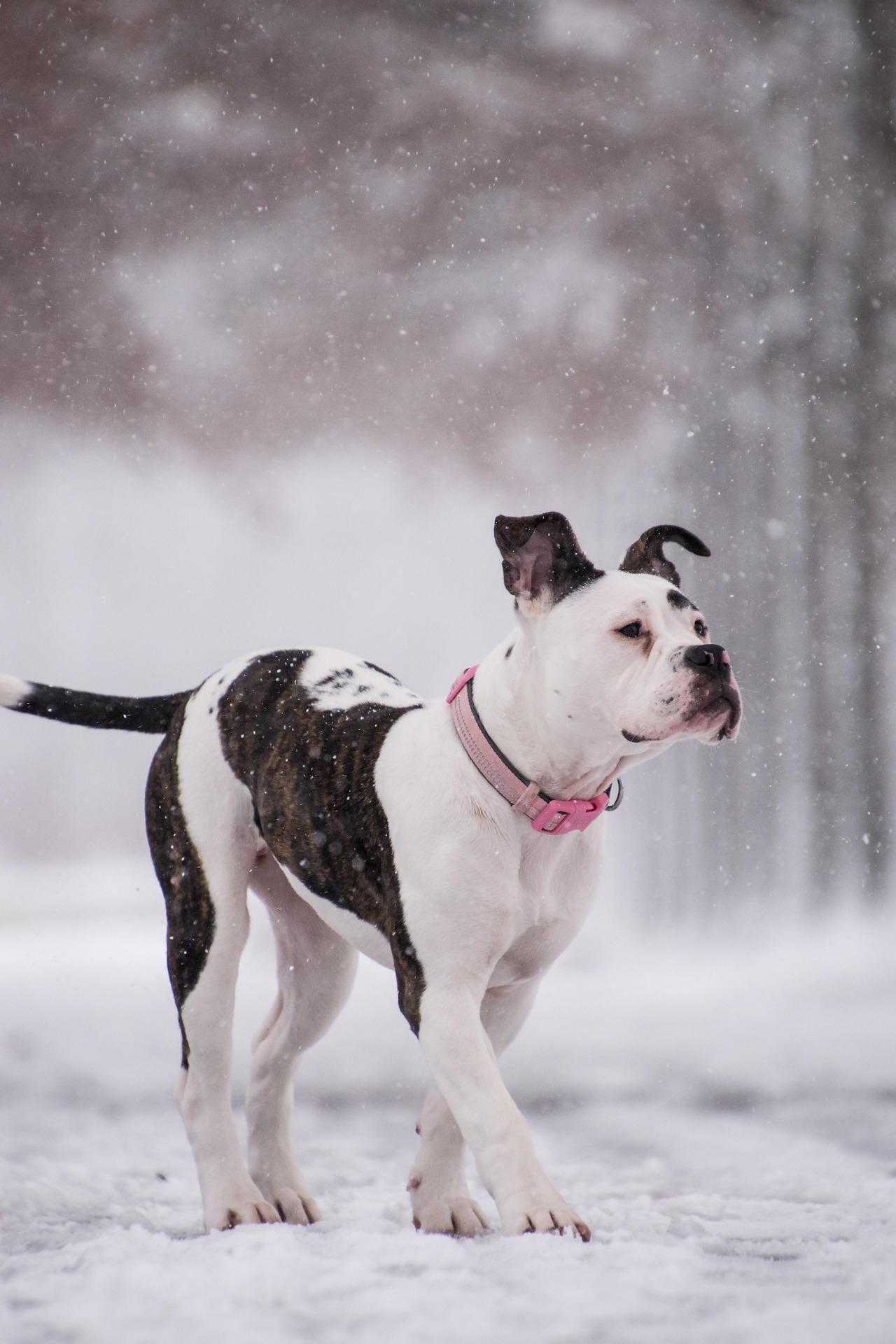
Boxers are considered a medium‑large, athletic breed. They grow very rapidly in the first few months, but full physical maturity — including muscle development, height, and proportions — may not occur until 18–24 months of age. Even then, some Boxers continue filling out and refining muscle mass beyond two years old. K9 Web+1
Some breeders and owners note that although Boxers reach adult size by two years, they may not be completely emotionally or behaviorally mature until 3–4 years old. USA’s #1 Cutest Puppies For Sale
Growth is influenced by genetics, diet, exercise, and health care, so timelines can vary for each dog.
2. Neonatal Stage: Birth to 2 Weeks
What Happens:
Boxer puppies are born blind, deaf, and completely dependent on their mother. Their primary activities are sleeping, nursing, and growing. During this period:
-
Puppies typically weigh 2.5 to 3.2 pounds (1.1–1.4 kg) at birth. K9 Web
-
They double their weight in the first two weeks. K9 Web
-
Eyes and ears begin to open around 10–14 days. Puppy senses start activating slowly. This is the foundation stage for health and survival.
Care Tips:
✔ Keep pups warm and in a clean environment.
✔ Monitor weight gain daily.
✔ Make sure the dam is nursing all pups and producing enough milk.
If weight gain is slow, consult your vet — puppies can deteriorate quickly if they are underweight or cold.
3. Transitional Stage: 2 to 4 Weeks
What Happens:
This short but vital stage marks a shift from complete dependency to early interaction with the world:
-
Eyes and ears are fully open. Puppies begin responding to sights and sounds.
-
They start standing, walking a bit, and exploring their immediate environment.
-
Baby teeth emerge.
-
This is when they begin social interaction with littermates and the dam. Pet Buddies Care –
Development Highlights:
✔ Puppies may start play‑fighting.
✔ They learn how to communicate with other dogs.
✔ You can start gentle human handling to build social confidence.
Proper social interaction at this age builds the foundation for behavior, confidence, and adaptability later in life.
4. Socialization Period: 3 to 14 Weeks
This stage overlaps with some of the physical growth periods, but socialization is one of the most important aspects of a puppy’s development.
Key Points:
-
Between 3 and 14 weeks, puppies go through a critical socialization window.
-
At this time, the puppy will use all senses — sight, smell, touch, etc — to learn about the world. Smart Pet Decisions
-
This period affects long‑term behavior, confidence, and stress response.
What to Do:
✔ Introduce your pup to safe people and animals.
✔ Let them explore different environments gradually.
✔ Gently expose them to sounds, textures, and experiences.
✔ Begin basic handling (touching paws, ears, etc.).
Short, positive experiences set the stage for a calm adult dog who’s not fearful of normal situations.
5. Rapid Growth Phase: 0–3 Months
Physical Growth:
From birth up to about 3 months old, Boxer puppies grow faster than at any other time in their lives. Weight may increase substantially:
-
By 2–8 weeks, puppies may weigh between 6–19 pounds (2.5–8.5 kg). K9 Web
-
By 3 months, many Boxer pups weigh 25.5–28.5 pounds (11–13 kg). K9 Web
Behavioral Traits:
✔ Curious and energetic
✔ Beginning house training, chewing, and exploration
✔ Eager for play
At this stage, puppies learn rules of play and basic communication — often first with littermates, then with humans.
Care Tips:
✔ Start crate training and house training gently.
✔ Maintain a regular feeding schedule for consistent growth.
✔ Schedule the first round of vaccinations (typically around 6–8 weeks).
✔ Monitor chewing and teething behaviors.
6. Intermediate Growth Phase: 4–6 Months
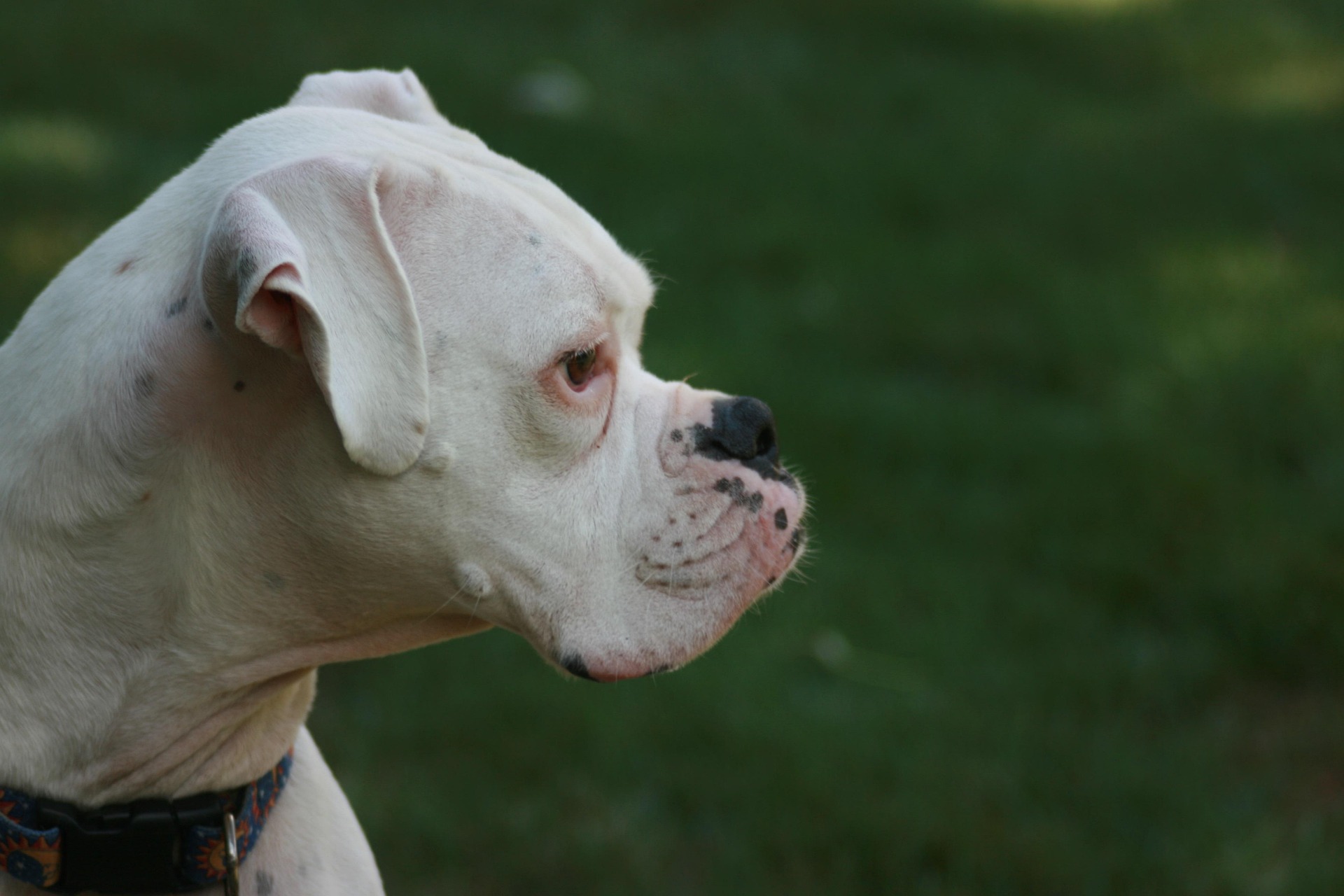
Between 4 and 6 months, Boxer puppies continue to grow steadily in height and weight:
-
At 4 months, typical weights might be 35.5–40 pounds (16–18 kg). K9 Web
-
By 6 months, male puppies may weigh up to 41–48 pounds, and females 39–44 pounds. K9Web
During this stage, puppies begin losing baby teeth and growing adult teeth. You’ll notice:
Physical Changes:
✔ Legs lengthen
✔ Coordination improves
✔ Muscle begins to develop
Behavior Changes:
✔ Explosive energy and bursts of play
✔ More independence
✔ Testing limits
Training Tips:
✔ Increase consistency with obedience lessons.
✔ Offer appropriate chew toys to ease teething discomfort.
✔ Brief, structured play sessions help manage energy.
✔ Avoid excessive running or jumping to protect soft growth plates — they don’t fully close until 9–11 months. Nahf
7. Adolescence: 6–12 Months
This stage is often compared to human teenage years. Boxers are physically strong and mentally curious, but also may exhibit testing or stubborn behavior. Growth still continues, and you’ll see:
-
They may reach about 75% of adult height by six months. Houndsy
-
Continued gains in weight and coordination
-
Rapid development of personality and confidence
Behavior Patterns:
✔ High energy and playful antics
✔ Often more mischievous
✔ Appetite increases
✔ Beginning to resemble adult proportions
Training Tips:
✔ Continue socialization — new people, places, and animals
✔ Obedience classes can be very helpful
✔ Regulate exercise; avoid excessive runs and jumps on hard surfaces for bone development. Nahf
Behavior training is especially important during these months as Boxers are strong, intelligent, and motivated by play and attention.
8. Young Adult Transition: 12–18 Months
By around 12 months, many Boxers have nearly reached adult height, but their bodies may still be filling out and muscle mass is continuing to build:
-
Boxers continue to grow in weight and strength beyond their first year. Canine Journal
-
Most will finish growing in height between 18–24 months. K9Web
-
During this period, their skeletal structure and body proportions transition from puppy to adult.
Tips for Care:
✔ Adjust diet to support slower growth and muscle maintenance
✔ Continue social and obedience training
✔ Introduce low‑impact activities to support joint health
Some Boxers continue maturing mentally and emotionally even after the physical growth slows, sometimes up to 3–4 years old for full maturity. USA’s #1 Cutest Puppies For Sale
9. Full Adult Boxer: 18–24 Months and Beyond
By around 18–24 months, Boxers are generally considered adults in terms of physical size, though they may continue refining muscle tone and coordination:
✔ Adult males may weigh around 60–70 pounds (27–32 kg).
✔ Adult females typically weigh about 55–65 pounds (25–29 kg). K9 Web+1
Height also becomes stable:
✔ Males: ~23–25 inches tall
✔ Females: ~21.5–23.5 inches tall K9Web
Adult Behaviors:
✔ Energy levels still high, but more self‑controlled
✔ Better focus and training responsiveness
✔ Social confidence increased
Even though they’re “grown,” Boxers keep their playful nature into adulthood and can remain lively for many years.
10. Growth Mistakes to Avoid
Understanding how Boxers grow helps you avoid common pitfalls:
Over‑exercising Too Early
Too much running, jumping, or impact activity before growth plates close can risk joint issues like hip problems later in life. Gentle exercise appropriate for age is crucial. Nahf
Wrong Diet or Feeding Too Much
Rapid weight gain beyond recommended ranges can stress joints, organs, and bones. Follow veterinarian guidance on diet, especially during puppyhood.
Skipping Socialization and Training
Poor early social exposure can lead to anxiety or behavioral issues later — the socialization window in the first few months is critical. Smart Pet Decisions
11. Growth Charts and Tracking
Many owners find it helpful to use a growth chart to track their Boxer’s progress. While individual puppies vary, here are some general milestones:
| Age | Approx Weight (Male) | Approx Weight (Female) |
|---|---|---|
| 1 month | 5.5–9 lbs (2.5–4 kg) | 4.8–8 lbs (2.1–3.6 kg) |
| 2 months | 16–20 lbs | 11–17 lbs |
| 3 months | 22–26 lbs | 22–26 lbs |
| 4 months | 30–35 lbs | 28–30 lbs |
| 6 months | 41–48 lbs | 39–44 lbs |
| 1 year | 57–68 lbs | 55–61 lbs |
| 18 months | 60–70 lbs | 55–63 lbs |
| 24 months | 60–70 lbs | 55–65 lbs |
Growth charts provide rough guidelines — above or below these ranges does not automatically mean a problem, but consistent tracking helps you notice health or diet concerns early.
12. Training and Behavioral Expectations Through the Stages
Early Weeks to 3 Months:
-
Start house training and basic commands.
-
Gentle exposure to new people and environments.
3–6 Months:
-
Obedience training becomes essential.
-
Socialization should continue.
-
Learning not to jump or nip is key.
6–12 Months:
-
Testing limits and independence may emerge — stay consistent.
-
Higher energy, so structured exercise and mental stimulation help.
12–24 Months:
-
Focus on advanced obedience and appropriate activities.
-
More predictable focus and calmer energy usually develop.
Training throughout puppyhood and adolescence builds the foundation for a well‑behaved adult Boxer. American Kennel Club
13. Health Checks and Growth Monitoring
Regular veterinary visits are crucial during puppy stages. Vets check:
✔ Weight and body condition
✔ Growth plate development
✔ Joint health
✔ Vaccinations and immune system strength
✔ Nutrition and diet planning
Tip: Keep a growth journal recording weight, behavior, eating habits, and milestones. It’s a great tool to catch issues early.
14. Final Thoughts: Embrace the Journey
Boxer puppies grow fast, but their developmental journey is as much about mind and behavior as it is about physical size. Understanding these stages helps you give your pup the right care, training, and nutrition — and helps keep them healthy and happy through every phase of their life.
Every Boxer is unique — but knowing what to expect at each stage makes raising one a more joyful and confident experience.
Further Reading & Sources
-
Boxer growth and weight chart with detailed milestones — K9Web. K9 Web
-
AKC Boxer puppy training timeline — American Kennel Club. American Kennel Club
-
Boxer growth chart overview — DogFoodSmart. dogfoodsmart.com
-
Boxer development milestones and adult size expectations — Canine Journal. Canine Journal
-
Insights on puppy handling and exercise for growth plates — NAHF growth guide. Nahf