Boxer dogs are one of the most energetic, athletic, and expressive dog breeds you can bring into your family. Known for their loyalty, playful nature, and muscular build, Boxers demand a lifestyle that supports both physical and mental exercise. Dogs left without adequate outlets for their abundant energy can become bored, frustrated, and even destructive. Understanding what exercise means for a Boxer — how much, what kind, and at what stages of life — is essential for every potential or current Boxer owner.
In this comprehensive guide, we cover:
-
Why exercise is crucial for Boxer dogs
-
How much daily activity Boxers need
-
Best types of physical and mental exercise
-
Age-specific exercise needs
-
Safety and health considerations
-
Practical routines and planning
-
Common mistakes to avoid
-
Tools and accessories that help
Let’s begin.
1. Why Exercise Matters in Boxers
Exercise isn’t just about burning calories. For Boxers, a working and sporting breed, activity supports:
✔️ Physical Health
A Boxer’s body thrives on activity. Regular exercise:
-
Strengthens muscles and joints
-
Improves cardiovascular health
-
Helps maintain an ideal, lean weight
-
Reduces risk of obesity-linked diseases like diabetes or heart problems
Most sources recommend at least 60–120 minutes of mixed activity daily depending on age and health status. Animal Answers+2Houndsy+2
✔️ Mental Well-Being
Boxers are smart and curious. Without mental stimulation, they can become:
-
Destructive (chewing furniture, doors)
-
Excessively noisy (barking, whining)
-
Difficult to train
Interactive games and structured tasks engage their minds and reduce bad behaviors. Houndsy
✔️ Social Skills
Exercise isn’t only about movement — it’s also about interaction. Walks, dog parks, and playgroups improve social behavior, reduce fear of strangers/other dogs, and boost confidence.
2. How Much Exercise Do Boxers Really Need?
There’s no single answer, but expert sources generally agree that Boxers require significant daily activity:
Daily Guidelines
| Boxer Life Stage | Daily Exercise Need |
|---|---|
| Puppy | Short bursts multiple times a day Houndsy |
| Adult | 1–2 hours or more Animal Answers+1 |
| Senior | Shorter, gentler but frequent sessions Houndsy |
Even two hours per day of combined activity — including walks, play, and brain work — is considered ideal for most adult Boxers. Royal Canin
Why So Much?
Boxers were bred for working roles — guarding, pulling carts, and coursing game. This means they:
-
Have high stamina
-
Enjoy sustained activity
-
Need diversity in their routines
This energy doesn’t dissipate on its own — it has to be spent constructively.
3. Types of Exercise Boxers Love
Not all exercise is created equal. Boxers thrive on variety, which can help them stay interested and motivated.
🐾 3.1 Walks and Runs
-
Leash walks are essential daily basics.
-
Jogging or running, once conditioned, is excellent cardiovascular work.
-
Be cautious in hot weather — their short snouts can make breathing harder. petplan.co.uk
🐾 3.2 Play Sessions
Interactive games are both physical and mental workouts:
-
Fetch: Great for sprinting muscles
-
Tug-of-war: Builds strength
-
Frisbee: Encourages agility
These activities feel like fun to Boxers but provide intense work. Houndsy
🐾 3.3 Dog Sports
Agility, flyball, and rally training offer structured, engaging environments that challenge both body and mind.
-
Agility Courses: Running through obstacles boosts coordination.
-
Flyball: Fast sprints and teamwork skills.
-
Scent work: Mental engagement.
These aren’t just “exercise”; they’re enrichment. Houndsy
🐾 3.4 Mental Games
Mental stimulation is exercise too! Use:
-
Puzzle feeders
-
Obedience drills
-
Training tricks
-
Hide-and-seek games
Many owners find a 10-minute brain session equals a longer physical one in terms of tiredness and satisfaction. Houndsy
4. Puppy vs Adult vs Senior Boxer
Activity needs change throughout a Boxer’s life.
🐶 Puppies (up to ~18 months)
Puppies are energetic but their bones and joints are developing. Overdoing high-impact activity can damage growth plates.
Puppy exercise tips:
-
Short sessions (e.g., 5 mins per month of age) Houndsy
-
Gentle play and socialization
-
Avoid long runs or intense jumping
-
Mental games are better at tiring them than long dashes
This helps support healthy development without excessive strain.
🐕 Adults (1.5–7 years)
This is the peak energy period.
-
Aim for at least 60–120 minutes of quality activity Animal Answers
-
Include variation so boredom doesn’t set in
-
Mix physical work with training
Adults also tend to respond well to routine — consistent schedules help them anticipate activity times.
🐾 Seniors (7+ years)
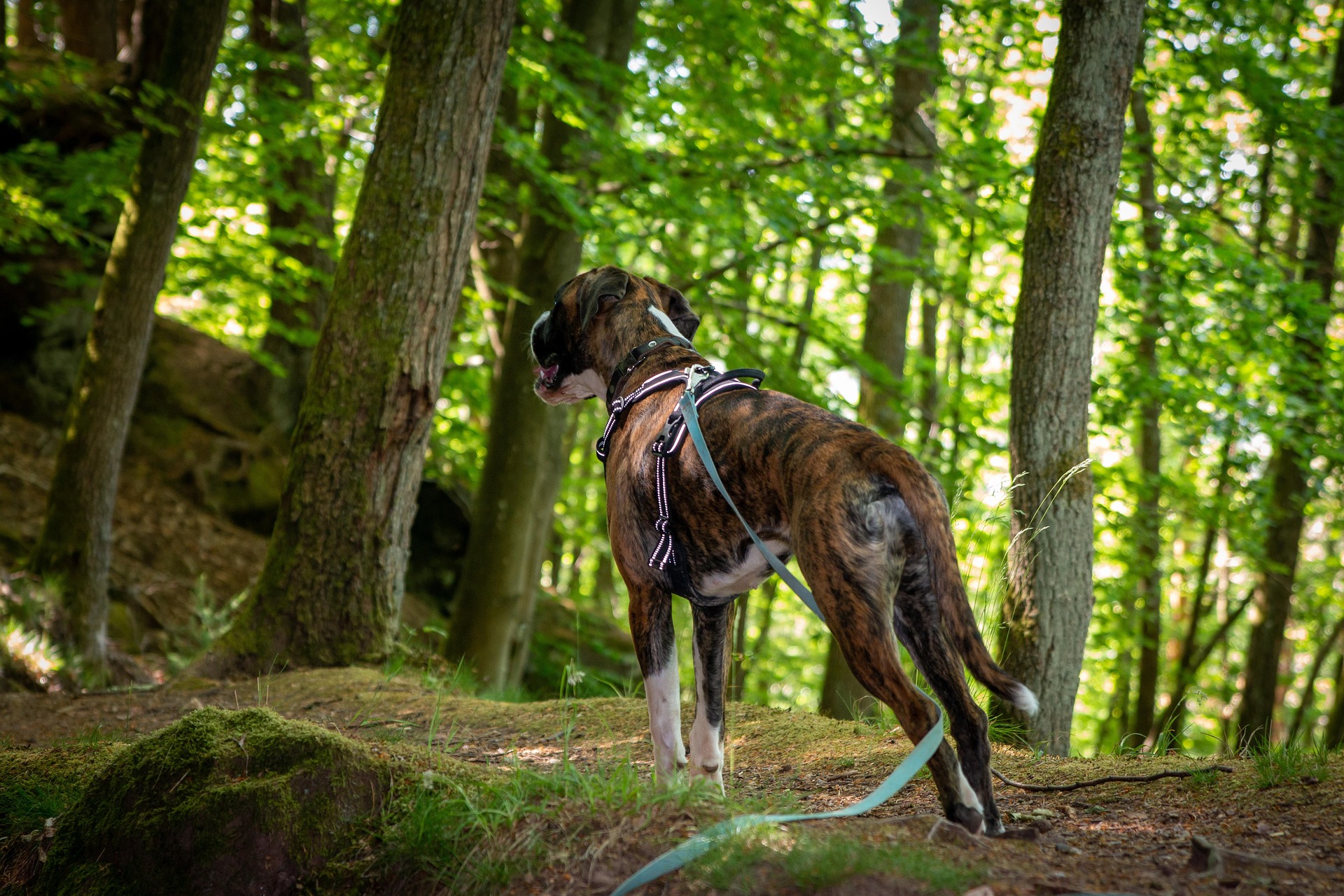
Older Boxers may slow down, but daily movement remains vital.
-
Shorter, gentler walks
-
Low-impact play
-
Introduce swimming if joints are stiff
-
Watch for signs of pain or reluctance to move
Exercise keeps joints limber and can reduce cognitive decline.
5. Safety and Health Considerations
Exercise must be safe and smart.
🩺 Breathing and Heat
Boxers have short noses (brachycephalic breed). In hot or humid conditions:
-
Avoid peak sun hours
-
Take water on walks
-
Monitor for heavy panting or distress petplan.co.uk
Short bursts in heat can be dangerous.
🐕 Feeding and Exercise
Intense activity should be separated from mealtimes. Exercising right after eating may increase the risk of bloat — a serious condition in deep-chested breeds like Boxers. boxerblvd.com
🦴 Joint Health
Young Boxers and seniors both need to avoid extremes:
-
Too much repetitive impact (long distance running at early ages) can harm growing joints. Houndsy
-
Too little exercise may contribute to weight gain and later joint problems.
Monitor their body condition — you should be able to feel ribs without seeing them.
6. Signs Your Boxer Is Getting Enough (or Too Little) Exercise
Knowing the signs makes it easier to adjust routines.
✅ Signs of Enough Exercise
-
Calm behavior at home
-
Good sleep patterns
-
Engaged during walks and playtime
-
Healthy body weight
⚠️ Signs of Too Little Exercise
-
Chewing or destructive behavior
-
Excessive barking
-
Restlessness or pacing
-
Hyperactivity at night
Behavioral issues often mask a lack of physical and mental stimulation.
7. Practical Daily Routines
Here’s how a typical day might look for a healthy adult Boxer:
Morning
-
30–45 min brisk walk
-
10 min training session
Midday
-
Play session (fetch, backyard run) ~20–30 min
Evening
-
30–60 min walk or jog
-
Puzzle game + obedience tricks ~10–15 min
Adjust based on weather, age, and health.
8. Tools and Toys That Help
Choosing the right gear boosts success.
Recommended Accessories
-
Quality harness for secure walks
-
Interactive treat toys (Kong, snuffle mat)
-
Agility equipment (mini hurdles, tunnels)
-
Fetch toys with durable build
These keep workouts varied and interesting — essential for Boxers.
9. Common Mistakes & How to Avoid Them
❌ Mistake: Long Runs for Puppies
Puppies’ joints are developing; long runs can cause damage. Keep sessions short and age-appropriate. Houndsy
❌ Mistake: Too Much Solo Fetch
Boxers can overpower themselves. Always balance play with rest.
❌ Mistake: Ignoring Mental Exercise
Physical activity is only half the picture. Boxers need challenges too.
10. Final Thoughts
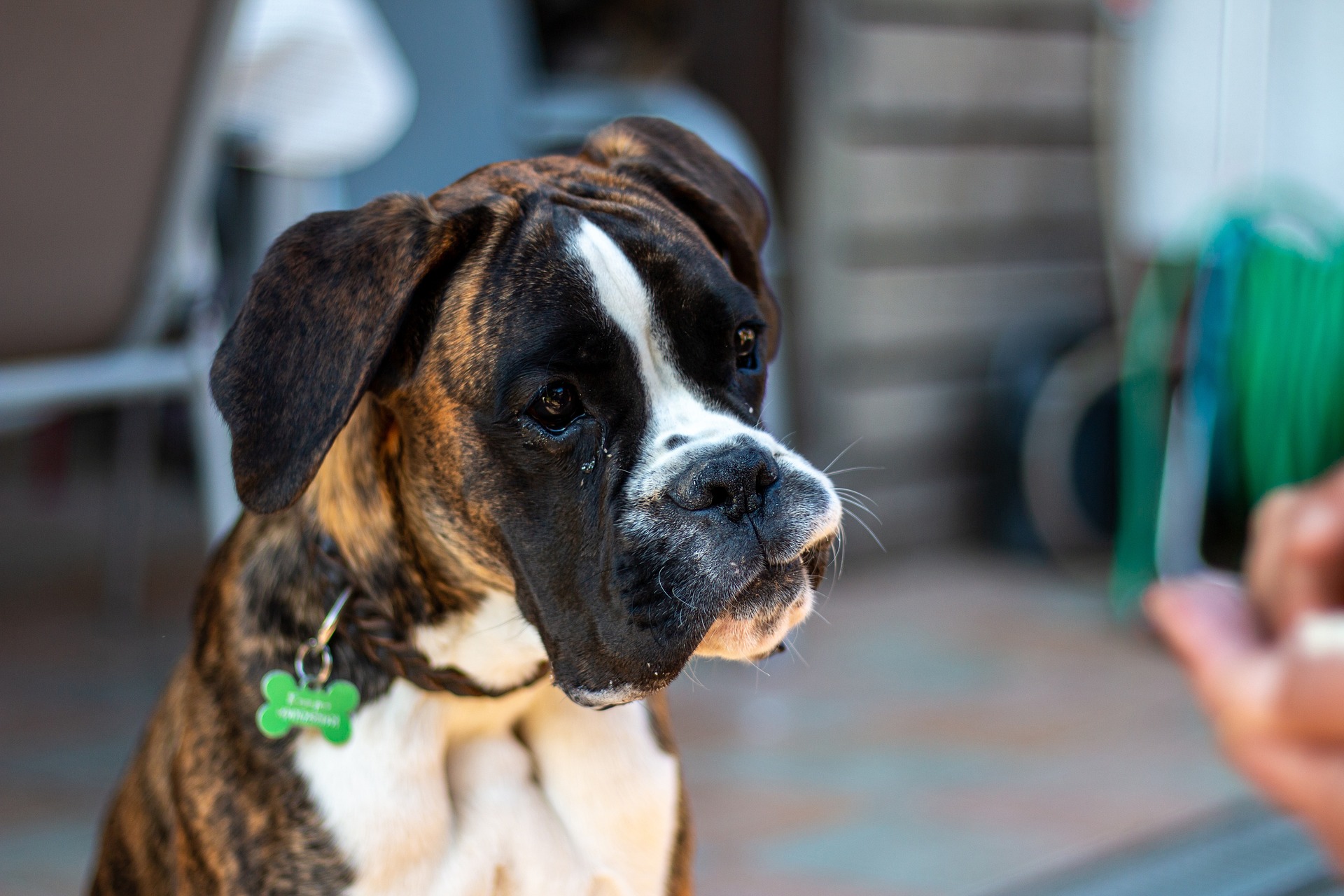
Boxer dogs are a joy for active families. They excel when their need for daily exercise — both physical and mental — is met. With the right routine, tools, and attention to safety, Boxers can be healthy, happy, and well-balanced companions for years.
Additional Resources & References
-
“How Much Exercise Do Boxers Need?” – Animal Answers Learn more on Boxer exercise needs at Animal Answers
-
Houndsy’s breed exercise tips Boxer exercise insights on Houndsy
-
Royal Canin’s Boxer care recommendations Royal Canin Boxer care guide