Boxer dogs are among the most beloved family pets, known for their affectionate nature, playful energy, and strong loyalty to their people. For many families, this charismatic breed becomes a cherished member of the household — especially around children. However, like any dog breed, establishing a safe and positive relationship between a Boxer and children requires thoughtful guidance, preparation, and supervision.
In this comprehensive, AdSense‑friendly article, you’ll learn how Boxers typically interact with kids, why they can be wonderful companions, and the practical steps every family should take to create a loving, safe, and respectful bond. We’ll include trusted sources and tips throughout so you can read further and make confident decisions for your family and pet.
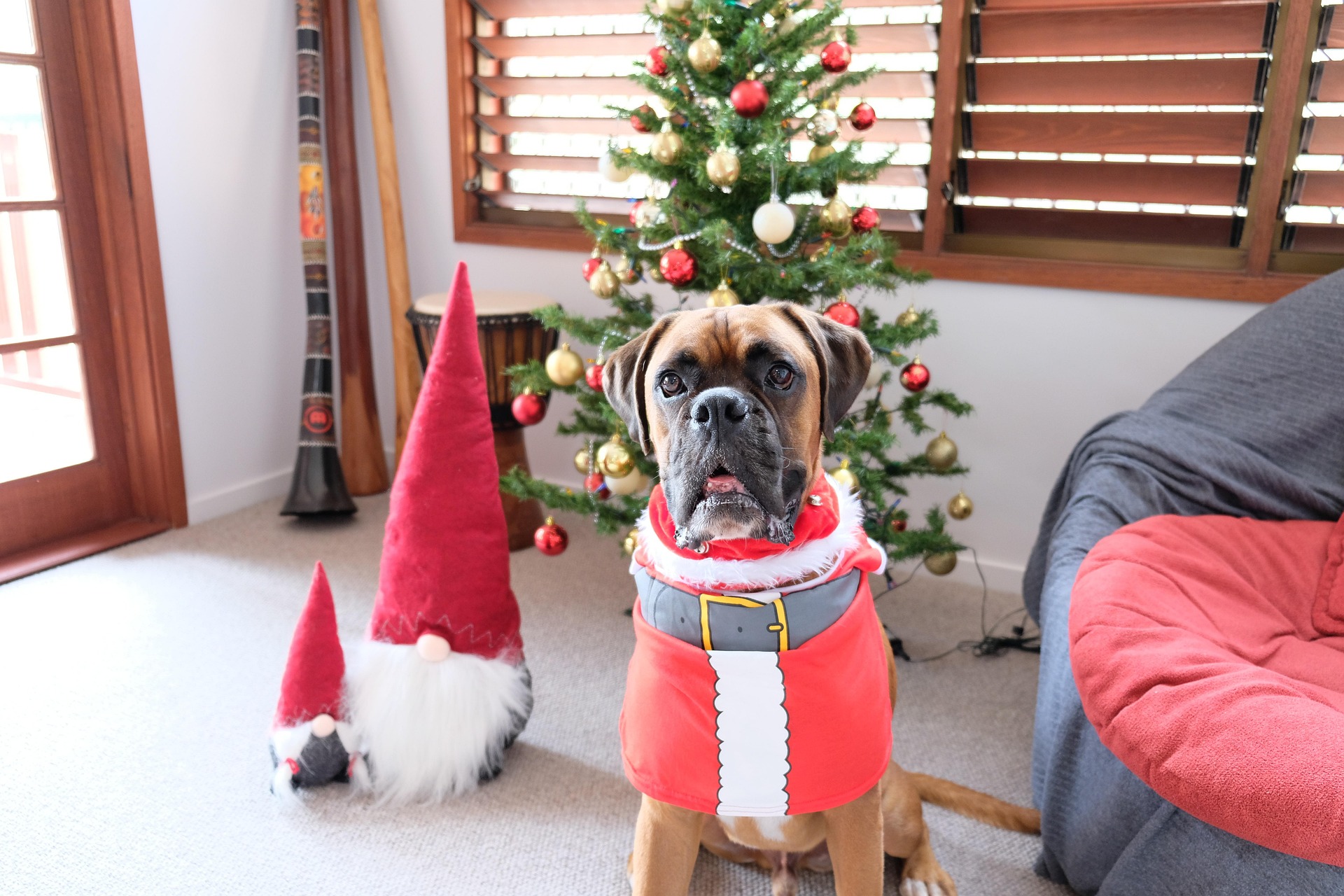
1. Are Boxer Dogs Good With Children? A Temperament Overview
Boxers are widely regarded as family‑friendly dogs due to their affectionate, playful, and loyal temperaments. They often form strong, positive relationships with children, making them a popular choice for families. Animal Answers+1
Natural Traits That Benefit Families
-
Playfulness: Boxers enjoy active play, which can match well with children’s energy levels. SNIFFSPOT
-
Affection: They often show strong affection toward family members and seek participation in family life. Medium
-
Protectiveness: Many Boxers develop a protective instinct toward children they know and trust. CatDogPic
That said, a dog’s breed tendencies are not the whole story. A Boxer’s behavior with children depends heavily on socialization, training, supervision, and individual personality.
2. Benefits of Boxers in a Child‑Friendly Home
Bringing a Boxer into a family with children can have many positive effects beyond companionship.
2.1 Emotional and Social Benefits
Dogs can help children develop empathy, responsibility, and emotional awareness. Spending time with a Boxer encourages nurturing behavior, patience, and understanding of non‑verbal cues — all valuable skills for kids. LifeInDogYears.com
2.2 Active Play and Family Bonding
Boxers thrive on play and exercise, which makes them natural partners for outdoor activities like fetch, running, or backyard games. Shared physical playtime fosters stronger bonds between the dog and your children while keeping everyone active. LifeInDogYears.com
3. Training and Socialization: Foundations for Harmony
3.1 Train From an Early Age
The sooner you begin socializing and training your Boxer — especially around kids — the smoother that relationship will be. A puppy raised around children learns early that kids are part of everyday life. Rockin P Rescue, Inc.
3.2 Teach Basic Commands
Train your Boxer to respond to essential commands like:
-
Sit
-
Stay
-
Down
-
Gentle
Teaching these behaviors (with positive reinforcement like treats and praise) helps manage excitement around young children and fosters calm interactions. CatDogPic
3.3 Involve Kids in Training
When appropriate, involve older children in training with simple, supervised tasks such as offering treats after the dog performs a command. This builds cooperation and trust. Lens And Leash
4. Supervision: A Non‑Negotiable Rule
No matter how friendly a Boxer may be, supervision is essential — especially with young children.
4.1 Always Watch Interactions
Even a well‑trained dog should never be left alone with a young child. Accidents can happen in an instant. FosterTalk Foster Carers Membership
4.2 Understand Body Language
Learn the signs that a dog may be stressed or uncomfortable — yawning, lip licking, avoidance, or stiff body posture — and intervene before interactions escalate.
4.3 Respect Personal Space
Do not allow children to disturb a dog while it’s eating, sleeping, or chewing a toy. Dogs may become protective around these items, leading to defensive behavior. FosterTalk Foster Carers Membership
5. Teaching Children Respectful Behavior Around Boxers
Educating your children about how to interact with dogs is just as important as training the dog itself.
5.1 Approach Gently
Teach kids to offer their hand for the dog to sniff before petting and to pet gently, avoiding pulling ears, tails, or fur. LifeInDogYears.com
5.2 No Rough Play
Games that encourage overly boisterous behavior (like tug‑of‑war with kids’ clothing or toys) should be discouraged. These can trigger possessiveness or overstimulation in a dog. Boxer Rescue LA
5.3 Quiet Voices and Slow Movements
Sudden loud noises, screaming, or fast motions can startle a dog. Encourage calm play and teach kids how to interact respectfully. LifeInDogYears.com
6. Create Safe Retreat Spaces for Your Boxer

Dogs — including even the most patient Boxers — need a place to relax and retreat.
6.1 Provide a Quiet Zone
Set up a comfortable area (like a crate or quiet corner) where your Boxer can go if overwhelmed by activity. Kids should be taught not to disturb the dog in this space. Boxer Rescue LA
6.2 Recognize When Your Dog Needs a Break
If your Boxer moves away from kids or seems uninterested in interaction, honor that cue. Forced interactions can lead to stress and behavioral issues.
7. Handling Excess Energy Safely
Boxers are high‑energy dogs and need regular exercise to stay balanced — especially in a family setting.
7.1 Regular Physical Activity
Daily walks, playtime in a fenced yard, or structured games help your Boxer expend energy so that they’re less likely to jump on kids or act overly exuberant. CatDogPic
7.2 Structured Play With Kids
Organize safe, structured activities like fetch or hide‑and‑seek that involve both the dog and children. This fosters cooperation while reducing chaos. Lens And Leash
8. Safety with Younger Children
Boxers can be gentle, but they’re also strong and active — meaning even unintended contact with toddlers can pose risks.
8.1 Physical Size Matters
A Boxer may unintentionally knock over a small child during play because of their strength. For this reason, adult supervision during all interactions with younger children (under five years old) is strongly recommended. Boxer Rescue LA
8.2 Training and Calm Behavior
Teach your Boxer to sit or lie down calmly before allowing approach from young children to reduce the risk of accidental injury.
9. Building a Lifelong Bond — Not Just Happy Moments
A healthy Boxer‑child relationship develops over time with:
-
Consistent training
-
Mutual respect
-
Normalize boundaries
-
Active supervision
9.1 Consistency Always Wins
Consistent rules — for both Boxers and children — help create a predictable environment where both feel secure and understood. CatDogPic
9.2 Recognize Emotional Intelligence
Boxers are known to be sensitive to their families’ moods. Their loyalty and protective instincts make them excellent companions if relationships are nurtured thoughtfully. Veterinary Care at Your Fingertips
10. What to Do if Behavior Issues Arise
Even with responsible care, sometimes issues may emerge.
10.1 Seek Professional Help
If your Boxer shows persistent stress, fear, or aggression around children, consider consulting a professional dog trainer or behaviorist. Early intervention can prevent problems from becoming serious.
10.2 Behavior Modification
Training techniques like desensitization, positive reinforcement, and structured routines can help your Boxer feel more comfortable around kids.
Conclusion: A Safe, Loving Home With Boxers and Kids

Boxer dogs and children can form one of the most joyful, loyal family bonds imaginable. With the right balance of training, supervision, respect, and education, Boxers can be playful protectors and loving playmates. Dog owners who prepare both their pets and children for safe interaction open the door to years of shared memories, laughter, and mutual trust.
No matter how affectionate your Boxer may seem, never underestimate the importance of supervision and boundaries. With consistent care and a safe family environment, your Boxer and children can thrive together — building a strong, loving relationship that enriches your household for years to come. Animal Answers
Further Reading & Resources
🔗 Are Boxers Good With Children? Family Guide — Boxer temperament around kids. Animal Answers
🔗 Are Boxer Dogs Good With Kids? Practical Safety Tips — Supervision and dog‑child interaction guidelines. Each Paw
🔗 Training and Socialization Tips — Early exposure and positive reinforcement methods. CatDogPic
🔗 Creating Safe Dog‑Child Interactions — Boundaries, toy rules, and respectful play. pokydogs.org