Golden Retrievers are one of the most cherished dog breeds in the world thanks to their loving personalities, intelligence, and strong bonds with their families. But how can you tell if your Golden Retriever is truly content and emotionally healthy—not just wagging its tail sometimes, but genuinely thriving?
Since dogs don’t speak human language, they communicate their feelings through body language and behavior. When you understand these cues, you can better support your dog’s emotional wellbeing and deepen your bond. This guide breaks down physical signs, behavior patterns, emotional health signals, and how you can help ensure your Golden lives a happy, fulfilling life.
1. Why Emotional Health Matters for Golden Retrievers

A dog’s emotional wellbeing isn’t just about occasional happiness — it affects:
✔ Behavior (friendliness, confidence, calmness)
✔ Physical health (immune function, appetite, energy levels)
✔ Relationships with humans and other animals
✔ Trainability and overall quality of life
Emotional health is deeply tied to how your Golden feels safe, loved, and understood. Emotional health also influences how they handle stress, social interactions, and new experiences.
2. Understanding Canine Body Language
Dogs primarily communicate through their bodies — posture, facial expression, tail movement, and overall energy. For Golden Retrievers, being attuned to these non‑verbal cues helps you recognize happiness or distress.
According to canine behavior experts, relaxed body language is one of the most obvious indicators of a happy, content dog. Look for relaxed posture, soft eyes, and a gentle open‑mouth expression. Veterinary Care at Your Fingertips
Key Concepts in Dog Body Language
-
Relaxed posture: Loose muscles and smooth movement
-
Soft eyes: Calm gaze without intense staring
-
Tail movement: Loose wagging that involves the whole body
-
Play signals: Inviting movements like a play bow
Reading the entire body helps avoid misinterpretation, as any single signal alone can be confusing. Veterinary Care at Your Fingertips
3. Body Language Signs Your Golden Retriever Is Happy
3.1 Relaxed and Loose Body Posture
A happy dog appears comfortable, not stiff or tense. Relaxed shoulders, a soft stance, and gentle movements all point toward contentment. In contrast, tense body language often reflects stress, anxiety, or discomfort. Hill’s Pet Nutrition
3.2 Soft Eyes and “Happy Expression”
Many owners describe a gentle or “smiling” look in their Golden’s eyes when they are happy — soft, relaxed, and attentive without intensity. A slightly open mouth and soft panting can also show ease and comfort. Veterinary Care at Your Fingertips+1
“Smiling with their bodies,” including relaxed facial muscles and a gentle look, is one of the tell‑tale signs of emotional wellbeing. Parade Pets
3.3 Tail Wagging With Whole‑Body Movement
A happy Golden doesn’t just wag its tail — their entire hind quarters may wag as they greet you or anticipate fun. This “full‑body wag” shows genuine happiness and excitement. Veterinary Care at Your Fingertips+1
Be cautious: not all wagging means happiness — the type of wag matters. A loose, sweeping wag is friendly; a stiff, high‑speed wag can be stress or high arousal. Pet Breeding Club
3.4 Play Bows and Zoomies
Golden Retrievers often use interactive play cues like the “play bow” (front lowered, rear up) to invite engagement. Energetic bursts of running, sometimes called zoomies, are also a joyful expression of contentment. Veterinary Care at Your Fingertips+1
3.5 Leaning Into You or Seeking Contact
When your dog leans into your leg, nudges your hand for pets, or rests their head in your lap, it’s a powerful sign of connection and emotional comfort. Content dogs seek closeness because they feel safe. Hill’s Pet Nutrition
4. Behavioral Signals of a Content Golden Retriever
Physical signals are crucial, but behavior over time often gives the strongest clues about emotional health.
4.1 Normal Appetite and Regular Meals
A happy and healthy dog generally has a good appetite and excitement for meals. Loss of appetite or refusal can be a sign of stress, illness, or emotional discomfort. DogTime
4.2 Playfulness and Toy Engagement
Dogs that initiate play, fetch toys, or bring objects to you are showing joy. Play is mentally stimulating and emotionally balancing. Veterinary Care at Your Fingertips
4.3 Sound Sleep and Relaxed Resting
A dog who sleeps soundly — not anxiously or restlessly — is likely at ease in its environment. Comfortable sleep routines reflect a secure, stable emotional state. Veterinary Care at Your Fingertips
4.4 Social Interaction and Exploration
Happy Goldens enjoy interacting with people and other dogs (if well socialized). They will sniff their surroundings, show curiosity, and approach new things with a calm interest. PetsRadar
4.5 Excited Greetings
Some of the most heart‑melting signs of happiness occur when you come home: joyful running up to the door, playful barks, or joyful wiggles. Those movements demonstrate trust and enthusiasm. Parade Pets
5. Emotional Health vs. Temporary Excitement

It’s important to differentiate long‑term emotional wellbeing from short bursts of excitement. A dog might wag its tail when startled or alert, but emotional happiness shows consistency across daily behavior.
👉 For example, a happily healthy Golden:
-
Shows relaxed posture often, not just in specific moments
-
Exhibits stable and positive social engagement
-
Displays interest in routine — not avoidance or fear
These cues matter over days and weeks, not just in isolated instances. Veterinary Care at Your Fingertips
6. Subtle Signs of Emotional Wellbeing
Some indicators are more emotional than physical and reflect deeper contentment between you and your dog.
6.1 Trusting Gestures
A Golden Retriever that rolls on its back to expose its belly isn’t just play‑bowing — it’s trusting you completely. Exposing the belly is one of the most vulnerable positions a dog can take, and doing it willingly shows confidence and comfort. Loyal Goldens
6.2 Content Sighs and Settling Down
Dogs often give a relaxed exhale — a contented sigh — when they’re settling in for a nap beside you. This often reflects a state of peace and emotional safety. Vocal
6.3 Calm Curiosity
Curiosity about the environment, relaxed sniffing, and alert but calm exploration are all traits of a balanced, emotionally healthy dog. An anxious dog may refuse exploration or show defensive behaviors, so curiosity is a strong positive sign. PetsRadar
7. How Emotional Health Affects Behavior Patterns
Just as humans may withdraw when unhappy, dogs express emotional distress through behavior changes — so knowing what’s normal for your dog helps you notice when something’s off.
7.1 Consistent Routine Engagement
Happy dogs look forward to routines — meals, walks, playtime — and express enthusiasm when those events approach. $$This is because predictability and structure make them feel secure.Veterinary Care at Your Fingertips
7.2 Healthy Social Bonds
Goldens are social dogs. A happy Golden will:
-
eagerly greet family members
-
follow you around the house
-
enjoy shared activities
Lack of interest in interaction — especially in a typically social breed — could signal emotional imbalance. Veterinary Care at Your Fingertips
8. What Can Cause Emotional Distress in Golden Retrievers?
A dog who once showed signs of happiness but no longer does might be experiencing stress, fear, or physical discomfort.
8.1 Lack of Mental or Physical Stimulation
Golden Retrievers need exercise and engagement. Without enough play or walks, they can become bored or frustrated — which affects emotional health. Veterinary Care at Your Fingertips
8.2 Changes in Environment or Routine
Moving, new pets, or changes in household schedules can cause anxiety in dogs. Golden Retrievers thrive on consistent routines.
8.3 Unmet Emotional Needs
Dogs may become withdrawn if they lack social interaction or feel tension in their environment. Watch for signs such as hiding, avoiding eye contact, or lack of interest in play. Veterinary Care at Your Fingertips
9. Signs of Possible Emotional Unhappiness (What to Watch For)
Being aware of stress signals helps you respond before problems escalate. Some behaviors that may indicate distress include:
✔ Avoiding contact or hiding
✔ Tail tucked low or no wag
✔ Stiff body posture or tense muscles
✔ Sudden aggression or overly shy behavior
✔ Loss of appetite or social withdrawal
✔ Excessive chewing or destructive behavior
Identifying these early allows you to take steps like environmental adjustments, more stimulation, or consulting a veterinarian or behavior specialist. Vocal
10. How to Support Your Golden’s Emotional Wellbeing
Ensuring your Golden Retriever is happy and emotionally healthy involves a multi‑faceted approach.
10.1 Adequate Exercise
Golden Retrievers are an active breed. Regular walks, runs, fetch sessions, and playdates keep their bodies and minds engaged — which directly influences their emotional state. Veterinary Care at Your Fingertips
10.2 Social Interaction
Spend quality time together, whether play, training, or simple companionship. Social bonding supports emotional security and trust.
10.3 Mental Stimulation
Games, training sessions, scent work, and puzzle toys challenge their brains and prevent boredom — a frequent cause of behavioral issues.
10.4 Routine and Predictability
A structured schedule helps dogs feel safe and lowers stress during unpredictable moments.
10.5 Respect Individual Personality
Each dog is unique — while Golden Retrievers are sociable by nature, some individuals may be more introverted or cautious. Learning their personal cues is part of supporting their emotional world.
11. The Role of Health in Emotional Wellbeing
Physical health and emotional health are deeply connected. A dog experiencing pain, discomfort, or internal issues may display changes that look like emotional distress. That’s why veterinary check‑ups are important when behavior suddenly shifts. Veterinary Care at Your Fingertips
Symptoms such as loss of appetite, lethargy, or unusual nervousness merit veterinary evaluation to rule out illness that could impact mood.
12. Golden Retrievers: A Breed Built for Connection
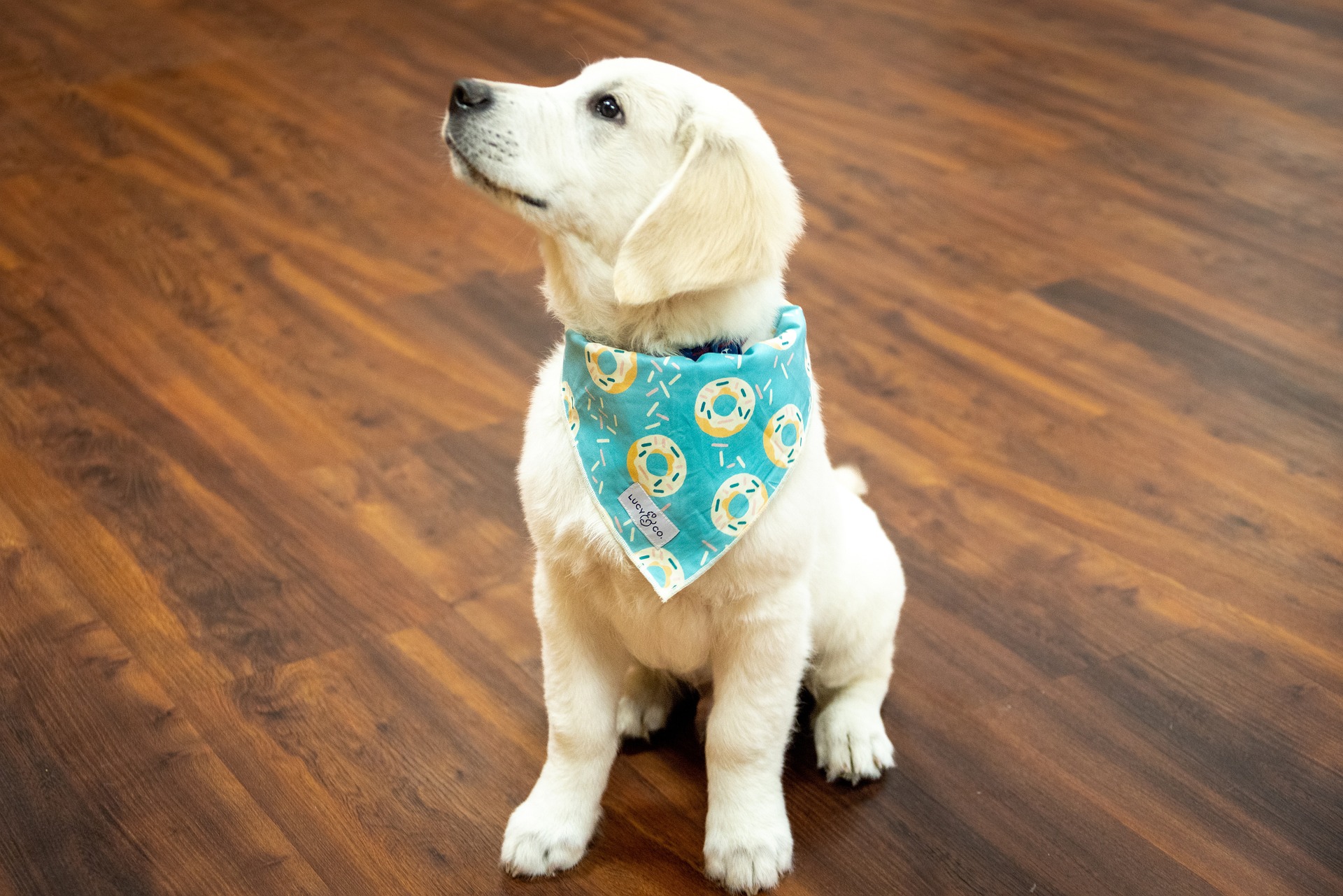
Golden Retrievers are known for their emotional sensitivity and attachment to humans. Many owners report their dogs seem to sense moods and respond with comforting behavior — such as cuddling or staying close when you’re down. While anecdotes vary, this intuitive connection is a key part of the breed’s appeal. Reddit
Conclusion: Reading Happiness in Your Golden Retriever
Happiness and emotional health in Golden Retrievers show up in a combination of body language, behavior, and interaction style. A happy, emotionally healthy Golden Retriever:
✔ Exhibits relaxed body language with soft eyes and fluid wagging
✔ Shows interest in play, routines, and social connection
✔ Has a healthy appetite and restful sleep
✔ Demonstrates trust through physical closeness and play bows
✔ Maintains curiosity and positive engagement with its environment
Conversely, changes in these patterns may indicate stress or discomfort — a reminder that emotional wellbeing, like physical health, needs ongoing care and attention.
Understanding and responding to your dog’s emotional cues doesn’t just keep them happy — it strengthens the unbreakable bond between you and your Golden Retriever for years of joyful companionship. 🐾
Sources & Further Reading
🔗 How to Tell if Your Golden Is Happy — Loyal Goldens (body language and behavior cues) Loyal Goldens
🔗 10 Signs Your Dog Is Happy — PetsCare (relaxed posture and social engagement) Veterinary Care at Your Fingertips
🔗 14 Signs Your Dog Is Happy — Pet Breeding Club (play bows and relaxation) Pet Breeding Club
🔗 Signs Your Dog Is Happy — PetsCare (behavior and social cues) Veterinary Care at Your Fingertips
🔗 Is My Dog Happy? — Hill’s Pet (body language insights) Hill’s Pet Nutrition
🔗 Reading Your Golden Retriever’s Body Language — Love Goldens (emotional signals) Love Goldens
🔗 How Dogs Show Happiness — Petlife (emotional cues) Vocal
🔗 How to Know If Your Dog Is Happy — PetsRadar (behavior and body language) PetsRadar
🔗 Expert Dog Happiness Tips — Parade Pets (behaviors and routines) Parade Pets