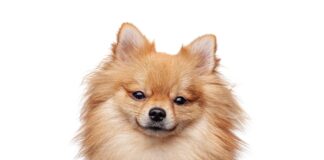
Pugs are one of the most endearing small‑dog breeds in the world, adored for their wrinkly faces, affectionate personalities, and charming quirks. Whether you’re thinking about bringing home a Pug puppy or contemplating adopting an adult Pug, understanding the differences between these life stages is essential. Each phase of a Pug’s life comes with its own joys, challenges, and care needs — and informed owners are better prepared to give their companions a happy, healthy life.
In this complete guide, we’ll explore everything from temperament, health, and training to exercise, socialization, grooming, and nutrition — with practical tips and trustworthy sources to help you confidently choose and care for a Pug at any age.
Overview: Pug Puppies and Adult Pugs
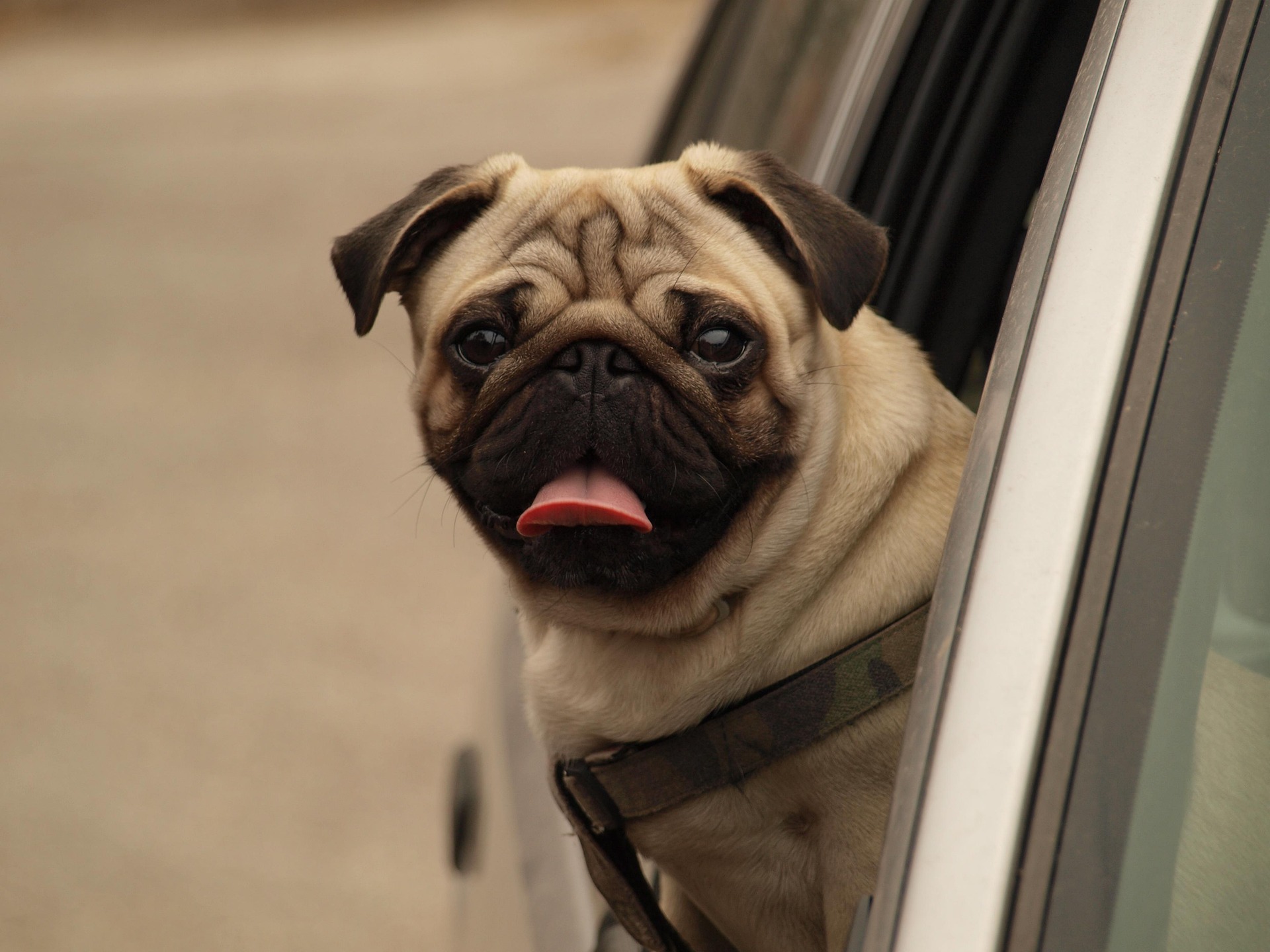
Pugs belong to the Toy Group and are known for being moderate‑energy, people‑oriented companion dogs that thrive on human interaction. Their lifespan typically falls between 12 and 15 years, and their brachycephalic (flat‑faced) structure profoundly shapes their care needs in both puppy and adult stages. FUNNYFUZZYUK
Pug Puppies
Pug puppies are bundles of energy, curiosity, and rapid growth. They’re adorable and playful, but also more delicate in exercise tolerance and physical development than adults. Their early months are a foundational time for socialization, training, and health monitoring. Nahf
Adult Pugs
Once they reach maturity, usually around 9–12 months, Pugs settle into their adult personality and routines. They become more predictable in behavior, and while still playful, they usually have more controlled energy levels than puppies. Adult Pugs require ongoing care — from exercise to health maintenance — but tend to be more stable than puppies. PetMD
In the sections that follow, we’ll break down key areas of difference and what to expect at each stage.
1. Physical Development and Growth
Early Growth of Pug Puppies
Pug puppies grow quickly in their first year of life. Their weight and height increase steadily until they reach adult size, which typically occurs between 9 and 12 months, though they may continue to “fill out” slightly until about a year old. Nahf
Typical puppy milestones include:
-
Rapid weight gain in the first 6 months
-
Growth spurts that may lead to disproportionately large paws
-
Ongoing bone and joint development
At birth, Pug puppies are tiny and delicate. Their bones and joints are still forming, so high‑impact exercise or long walks should be avoided in this stage to prevent injury. borrowmydoggy.com
Adult Pugs
As they mature, Pugs reach an adult size of about 10–13 inches (25–33 cm) tall and approximately 14–20 pounds (6–9 kg) in weight, though size can vary slightly between males and females. FUNNYFUZZYUK
In adulthood:
-
Growth stabilizes, so energy can be focused on maintenance and health rather than rapid development.
-
Exercise transitions from short supervised play to structured routines, like moderate daily walks.
-
Joints and muscles are fully formed, enabling more controlled activity. Lancaster Puppies
2. Temperament and Personality
Personality traits tend to be present from puppyhood but develop and settle as a Pug ages.
Pug Puppies
Puppies are often:
-
Curious and playful
-
Highly social and eager to explore
-
Prone to bursts of energy followed by long naps
-
Learning boundaries and cues from their environment
Puppies also tend to be more impulsive and excitable, which means owners need to set clear routines and boundaries early on. Training and socialization during this period — especially between 8–16 weeks — can shape a well‑adjusted adult dog. Pug Box
Adult Pugs
Adult Pugs typically show:
-
More predictable temperament
-
Calm and mellow demeanor
-
Stronger attachment to family routines
-
Often lower energy than puppies while still enjoying play
Adult Pugs may also show individual personality quirks more clearly — for example, some are lap‑loving cuddle bugs, while others remain mischievous and playful throughout adulthood. FUNNYFUZZYUK
3. Training and Socialization
Training is important at every stage of life, but your approach will differ between puppies and adult dogs.
Training Pug Puppies
Early training is crucial. Puppies are like sponges during their first few months, and basic training helps them build good habits.
Key training focuses for puppies:
-
Potty training: Establish a consistent schedule early.
-
Crate training: Introduce as a safe, comforting space.
-
Basic commands: Sit, stay, come, and leash walking.
-
Socialization: Exposure to new people, sounds, and other animals in a controlled way. Pug Box
Positive reinforcement — such as treats, praise, and play — works best for this breed because Pugs respond well to rewards.
Training Adult Pugs
Adult Pugs often benefit from refresher training, continuing to reinforce commands and manners. Because many adult Pugs are food‑motivated, training can also be used to reinforce healthy eating habits and mental stimulation. Vetic
Adult training goals may include:
-
Polite leash walking
-
Reducing any unwanted barking
-
Continuing socialization to prevent anxiety or reactive behavior
-
Mental enrichment through puzzle toys or advanced commands
Consistency and gentle reinforcement remain key throughout adulthood.
4. Exercise and Activity Levels
Exercise Needs of Puppies
Pug puppies aren’t built for long, strenuous exercise. Because their joints and bones are still developing, as well as their airways being sensitive due to their brachycephalic anatomy, short, gentle play sessions are recommended. Longer walks should be avoided until they are fully grown — usually around one year of age. borrowmydoggy.com
Examples of safe puppy activities:
-
Short indoor play
-
Gentle interaction with safe toys
-
Brief outdoor trips in safe weather
Adult Pug Activity
Adult Pugs need regular moderate exercise to maintain a healthy weight and prevent obesity, which this breed is prone to. About two 15–20 minute walks per day and interactive indoor play are usually sufficient. They also enjoy games, short fetch sessions, and scent games. Lancaster Puppies
Important considerations at all ages:
-
Avoiding heat and humidity because brachycephalic dogs struggle with respiratory heat exchange. PetMD
-
Monitoring for signs of breathing difficulty
-
Opting for harnesses instead of collars to reduce airway pressure
5. Health and Veterinary Care
Both puppies and adults require veterinary care, but the needs do evolve as they grow.
Health in Pug Puppies
During the first year, puppies require:
-
Vaccinations at recommended intervals
-
Parasite prevention
-
Nutritional monitoring
-
Early screening for inherited conditions such as stenotic nares (narrow nostrils) and hip issues
-
Vigilance for growth‑related problems
Because of their distinct anatomy, Pug puppies may require medical guidance on breathing issues earlier in life that some owners aren’t prepared for without prior knowledge. Pug Box
Adult Pug Health
Adult Pugs continue to be prone to:
-
Brachycephalic Obstructive Airway Syndrome (BOAS) and breathing difficulties
-
Obesity due to food motivation
-
Dental crowding and periodontal disease
-
Skin fold infections
-
Eye problems like corneal ulcers
Adult Pugs also benefit from regular veterinary checkups, dental care, and grooming routines that support ongoing health into their senior years. PetMD+1
Maintaining a healthy weight is especially important, as excess weight worsens respiratory and joint issues. PetMD
6. Grooming Needs
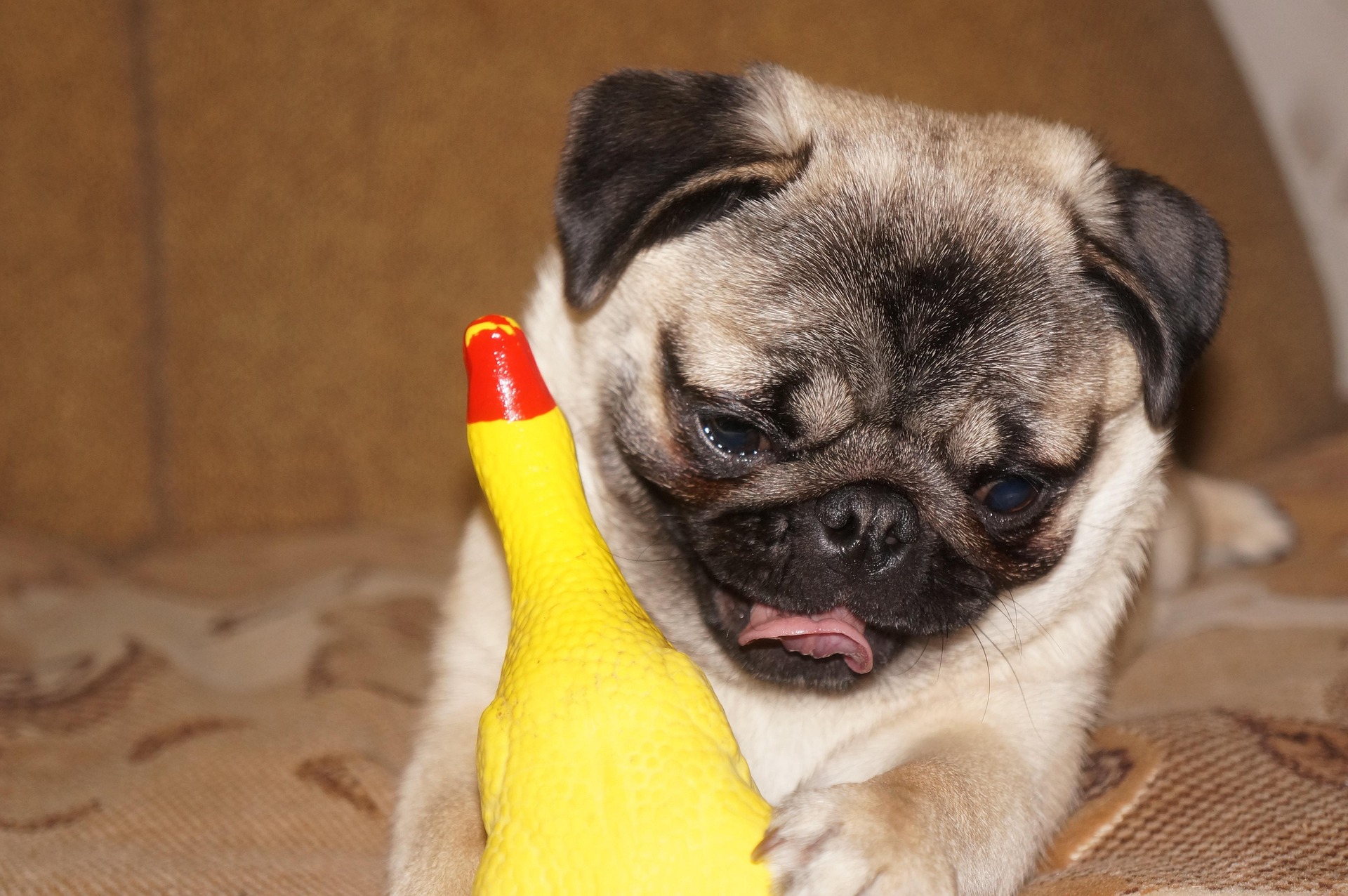
Pug Puppy Grooming
Pug puppies have short coats but still shed significantly. Their grooming needs include:
-
Weekly brushing to manage shedding
-
Regular wrinkle cleaning to prevent infections
-
Nail trimming as soon as nails grow long
-
Ear cleaning to prevent ear infections
Even as puppies, grooming should be introduced gently so they associate it with comfort and praise. DoggyZine.com
Adult Pug Grooming
Adult Pugs require consistent grooming, too, but with additional focus on:
-
Managing heavier shedding
-
Dental care routines, which become more crucial as they age
-
Routine skin fold checks
-
Regular professional grooming if desired
Adult grooming also means staying ahead of seasonal shedding cycles.
7. Nutrition and Feeding
Feeding Pug Puppies
Growing puppies need nutrient‑rich diets formulated for puppy life stages. Balanced puppy food supports:
-
Proper skeletal development
-
Healthy weight gain
-
Immune support
-
Brain and muscle development
Owners should follow feeding guidelines and consult vets to prevent overfeeding — especially important since Pugs can gain weight rapidly. Nahf
Feeding Adult Pugs
Adult Pugs benefit from age‑appropriate nutrition that:
-
Maintains ideal body condition
-
Provides joint support
-
Supports skin and coat health
-
Helps manage digestive health
Portion control and avoiding excessive treat calories remain essential.
8. Behavior Patterns and Social Needs
Behavior in Puppies
Pug puppies are often:
-
Highly curious
-
Playful in short bursts
-
Likely to mouth or nibble during play
-
Learning social cues and bite inhibition
Early positive socialization helps puppies grow into confident adults.
Behavior in Adult Pugs
Adult Pugs may display:
-
More developed personalities
-
Calm and affectionate behavior
-
Occasional stubbornness during training
-
A tendency toward lower energy after play
Mental stimulation through games or puzzles helps prevent boredom or attention‑seeking behaviors. Vetic
9. Socialization with People and Other Pets
Socializing Puppies
Early exposure to a variety of people, sounds, and environments helps shape a well‑rounded adult dog. Supervised interactions with children and other small animals build confidence and reduce future anxiety.
Adult Pug Social Behavior
Adult Pugs often enjoy:
-
Bonding with family members
-
Cozying up next to their favorite humans
-
Playing gently with other pets
Because Pugs are social animals, consistent interaction and mental engagement support happy, balanced behavior.
10. Cost Considerations
Owning a Pug at any age comes with costs, but those differ slightly between puppies and adults.
Pug Puppy Costs
Expect expenses for:
-
Vaccinations and early vet care
-
Puppy food formulas
-
Basic training or puppy classes
-
Toys and early gear (crate, bedding, etc.)
Adult Pug Costs
Adult costs focus more on:
-
Regular vet wellness exams
-
Preventive care (dental, skin fold care)
-
Moderate food and grooming needs
-
Ongoing training or enrichment supplies
Because Pugs can face lifelong health issues tied to anatomy, pet insurance or a vet care savings plan is often advised. PetMD
11. Choosing Between a Puppy and an Adult Pug
Benefits of Choosing a Puppy
✔ Build long‑term bond from the start
✔ Shape training and socialization early
✔ Watch developmental milestones firsthand
✔ Fun and playful energy
Benefits of Adopting an Adult
✔ Established personality
✔ Often calmer and less demanding
✔ Potty training may already be in place
✔ Predictable energy and needs
Your lifestyle, time availability, and household dynamics will influence the best choice for you.
Conclusion: Life Stage Expectations for Pug Owners
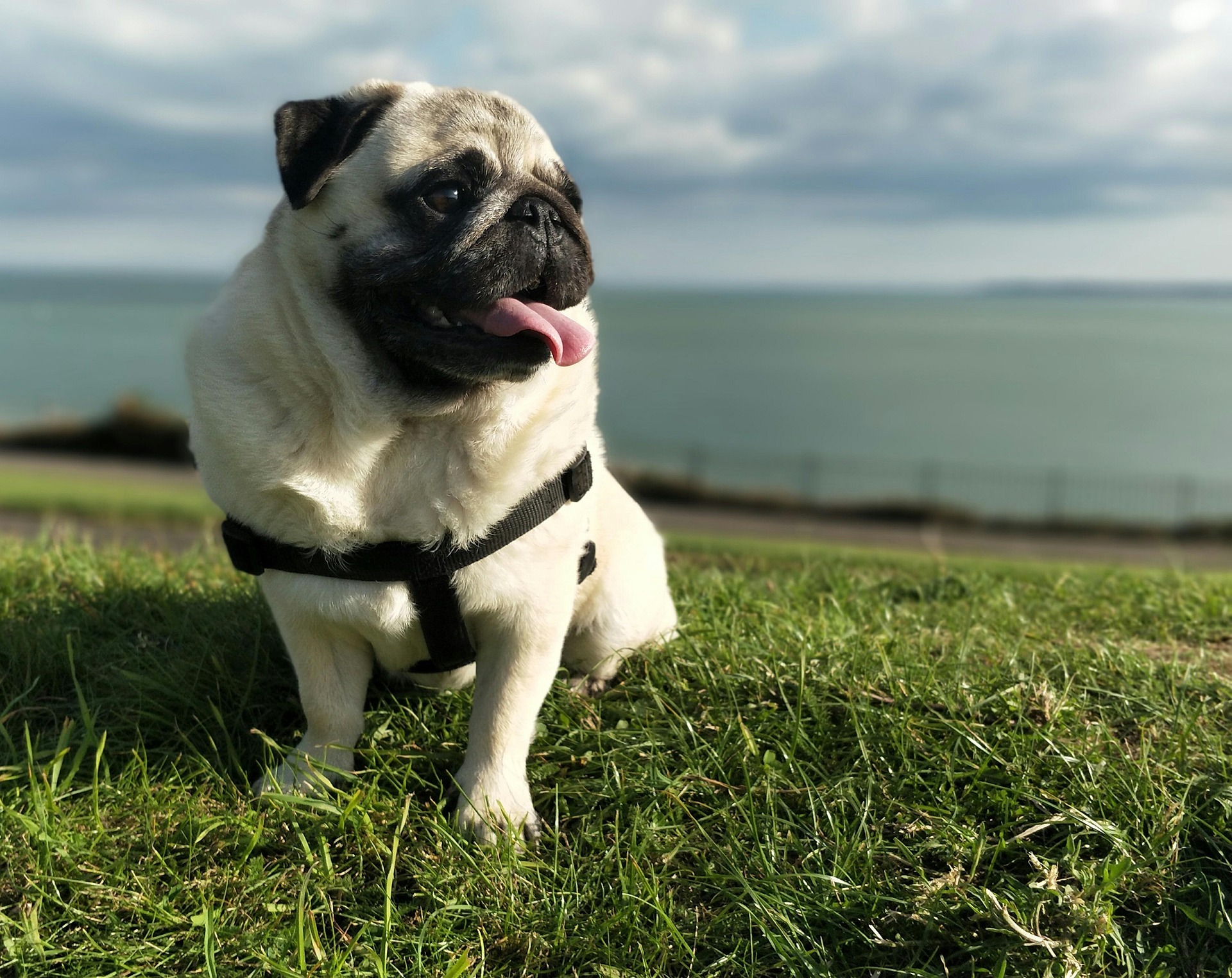
Whether you bring home a Pug puppy or adopt an adult Pug, each stage offers unique rewards and responsibilities. Puppies bring energy, curiosity, and the opportunity to build lifelong habits from day one. Adult Pugs bring developed personalities, calmer routines, and often a bit more predictability.
Key Differences to Keep in Mind
✔ Growth and exercise limitations in puppies vs routine maintenance in adults
✔ Training foundations vs ongoing behavior reinforcement
✔ Developmental health monitoring vs preventive adult care
✔ Higher supervision vs steady routines
In all cases, Pugs thrive on love, consistent care, gentle training, and healthy habits. With the right preparation, you’ll enjoy years of companionship from whichever life stage you adopt.
Sources & Further Reading
🔗 Pug Dog Breed: Health, Care, and Lifestyle — PetMD provides health and care insights for all Pug life stages. PetMD
🔗 Pug Breed Guide: Care, Training & Fun Facts — BorrowMyDoggy highlights exercise and developmental tips. borrowmydoggy.com
🔗 Complete Pug Puppy Care Guide — National Animal Health Foundation covers puppy growth and needs. Nahf
🔗 Adult Pug Dog Care Essentials — National Animal Health Foundation discusses adult care and health. Nahf
🔗 Pug Care Guide: Puppy to Senior — Pug Boxes offers care tips for every life stage. Pug Box
🔗 Pug Dog Breed Guide — PetsWorld on exercise and basic breed traits. Petsworld