Labrador Retrievers are one of the most popular dog breeds worldwide — not just for their friendly personalities and intelligence, but also for their iconic short, dense double coat that protects them from cold, water, and weather. However, a beautiful and healthy Labrador coat doesn’t just happen on its own — it requires proper grooming, regular maintenance, and attention to skin health.
In this comprehensive guide, we’ll cover everything you need to know about grooming your Labrador Retriever — from brushing and bathing routines to skin care, shedding management, and preventive grooming habits. Each section includes trusted links to expert sources so you can learn more and take action with confidence. American Kennel Club+2labradortime.com+2
1. Understanding the Labrador Coat and Skin

1.1 Anatomy of a Double Coat
Labrador Retrievers have a double‑layered coat consisting of a soft, dense undercoat and a water‑repellent outer coat. This design helps keep them warm in cold weather, dry after swimming, and protected from environmental elements. Nahf
Because of this structure:
-
Labradors shed year‑round
-
They blow their coats (heavy shedding) seasonally
-
Their fur can trap debris, dirt, and loose hairs if not brushed regularly Pet Guru Hub
This makes grooming more than just a cosmetic task — it’s essential for comfort, skin health, and overall wellbeing.
1.2 Why Grooming Affects Skin Health
Grooming isn’t only about looks. Regular brushing and proper bathing:
-
Helps distribute natural skin oils
-
Removes dead hair and dirt that can trap bacteria
-
Prevents mats and irritation
-
Enables early detection of skin issues such as dryness, hot spots, and parasites labradortime.com
A regular grooming routine reduces the risk of infections and supports your Lab’s natural protective barriers.
2. Brushing: The Cornerstone of Coat Health
2.1 How Often to Brush
Even though Labradors have short hair, they shed a lot, especially during shedding seasons in spring and fall. Experts recommend:
-
At least once per week brushing during normal times
-
Two to three times per week (or more) during heavy shedding seasons labradortime.com+1
Consistent brushing removes loose hair before it becomes a mat, improves airflow to the skin, and stimulates natural oil production.
2.2 Best Tools for Labrador Coats
Choosing the right brush makes grooming easier and more effective. Popular tools include:
-
Slicker brush – removes loose fur and helps detangle
-
Rubber curry brush – loosens dirt and stimulates skin oils
-
De‑shedding tools like rakes for undercoat removal during shedding peaks
-
Grooming comb – for finishing and checking for small tangles Pet Guru Hub+1
Brush in the direction of hair growth to avoid irritating the skin, focusing on areas like behind the ears and under the legs where tangles and mats are more likely. labradortime.com
2.3 Tips for Effective Brushing
Brushing isn’t just about pulling fur — it’s about comfort and efficiency:
-
Start with a gentle brush to remove surface hairs
-
Follow up with a slicker or de‑shedding tool on the undercoat
-
Be patient and calm — grooming should be a bonding experience
-
Collect loose hairs with a grooming glove or vacuum during and after sessions
-
Brush before bathing (this gets rid of debris and dead hair first) American Kennel Club
3. Bathing Your Labrador: When and How
3.1 How Often Should You Bathe a Lab?
Unlike some breeds that require frequent bathing, Labradors usually need baths only every 6–8 weeks, or when:
-
They get visibly dirty
-
They have a strong odor
-
They’ve been swimming in chlorinated or unfamiliar water labradortime.com+1
Over‑bathing can strip natural oils from the skin and coat, leading to dryness and irritation. NewsBytes
3.2 Choosing the Right Shampoo
Not all shampoos are created equal. Labrador skin is sensitive to harsh products, so it’s important to:
-
Use dog‑specific, gentle shampoo designed for skin and coat health
-
Avoid human shampoos — their pH balance isn’t suited for dog skin
-
Rinse thoroughly to prevent residue buildup, which can irritate the skin and clog follicles labradortime.com
Some months, a conditioner formulated for dogs can help maintain coat softness and reduce static. labradortime.com
3.3 Proper Bathing Technique
Follow these steps for a thorough yet gentle bath:
-
Brush the coat to remove loose hair
-
Wet the coat completely before applying shampoo
-
Lather and massage gently, especially in areas like armpits and belly
-
Rinse fully until the water runs clear
-
Towel dry and optionally use a cool, low‑heat blow dryer
-
Avoid getting water in the ears to prevent infection labradortime.com+1
Drying completely is crucial — moisture trapped in a dense coat can lead to yeast growth and skin irritation.
4. Tackling Seasonal Shedding and Undercoat Care
4.1 Why Shedding Happens
Labradors naturally shed year‑round, and the process intensifies during spring and fall as they “blow” the undercoat to adapt to temperature changes. Pet Guru Hub
Heavy shedding isn’t a sign of poor health — it’s a normal biological process — but managing it properly can dramatically improve coat health and reduce fur around your home.
4.2 Managing Shedding Effectively
To control shedding:
-
Brush more frequently during shedding seasons
-
Use a de‑shedding tool to remove dead undercoat
-
Regular baths with thorough rinsing help loosen and release loose hairs
-
Keep your environment clean with regular vacuuming and grooming afterwards labradortime.com+1
Some owners even choose specialized brushes or grooming mitts to reduce shed fur more efficiently. eachpaw.com
5. Skin Care: Preventing Irritation, Hot Spots, and Infection
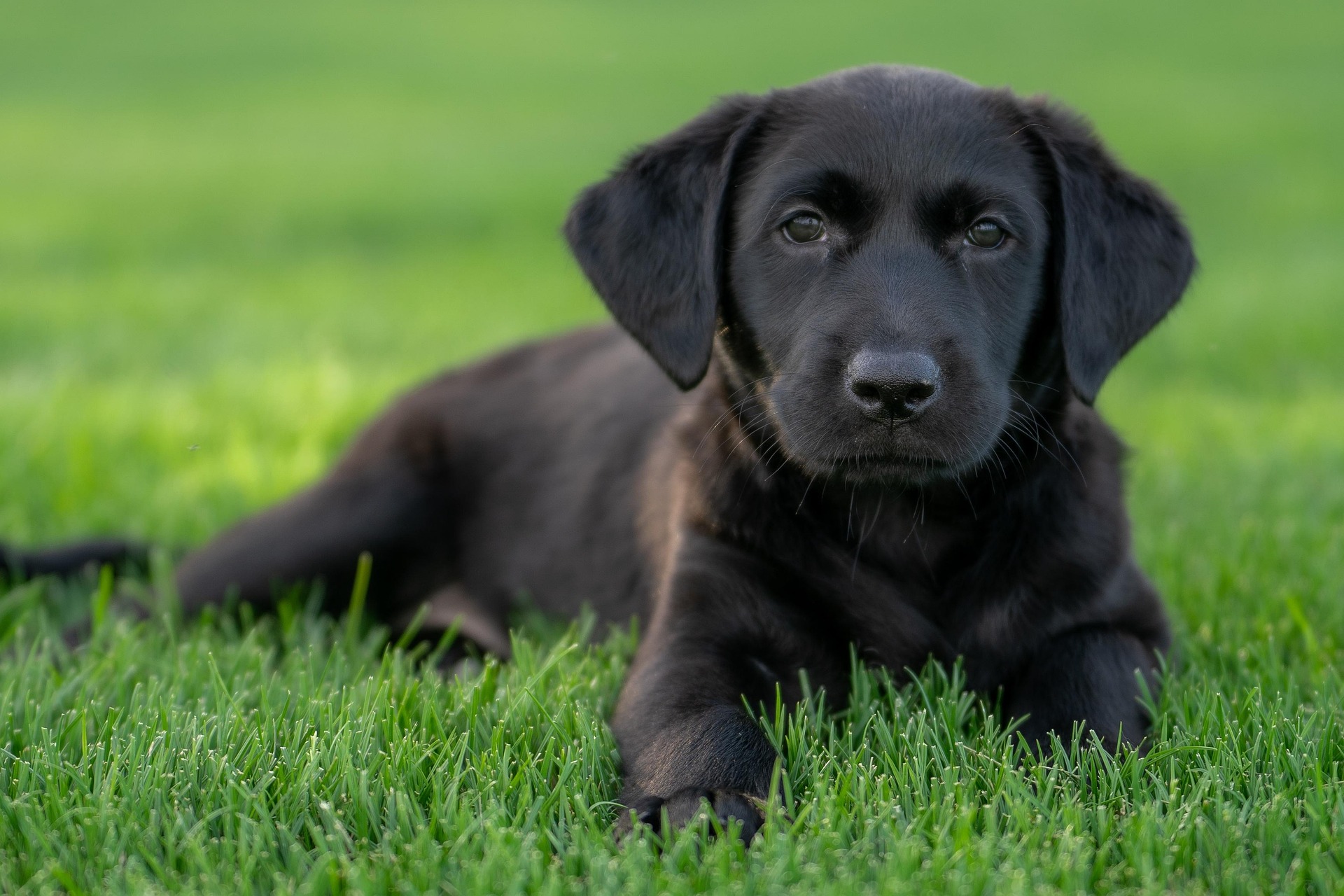
5.1 Skin Issues to Watch For
Healthy skin is the foundation of a healthy coat. Look for:
-
Redness, flakes, or dandruff
-
Hot spots (localized areas of irritated skin)
-
Dry, itchy patches
-
Rashes after bathing or outdoor exposure
Issues like these can arise from allergies, parasites, or dry skin — and catching them early during grooming is key. labradortime.com
5.2 Parasite Prevention
Fleas, ticks, and mites can hide in the dense Labrador coat. Regular grooming helps you spot these pests early before they cause itching or skin infection. Use veterinarian‑recommended preventative treatments year‑round to keep pests at bay. NewsBytes
5.3 Hydration and Skin Nutrition
Good internal health supports skin balance externally:
-
Ensure your Lab has access to fresh water at all times
-
A balanced diet rich in omega‑3 and omega‑6 fatty acids promotes moist, resilient skin and a shiny coat NewsBytes
Many vets recommend adding fish oil or flaxseed supplements to support skin health if dogs show dryness or dull coat — but always consult your vet first.
6. Ears, Eyes, Teeth and Other Grooming Essentials
Grooming includes more than brushing and bathing. A complete grooming routine improves overall hygiene and prevents secondary problems that affect skin and coat.
6.1 Ear Cleaning
Labrador ears are prone to moisture retention and wax buildup, which can lead to infection. Check and clean them once a month with a vet‑approved ear cleaner, cotton balls, and gentle technique. American Kennel Club
6.2 Eye Care
Wipe away dirt or discharge from your dog’s eyes using a clean, damp cloth. Persistent discharge or redness may require veterinary attention. American Kennel Club
6.3 Nail Trimming
Long nails can change your dog’s gait, potentially affecting skin and coat health by altering posture and movement. Trim nails every 3–4 weeks — or as needed — to maintain comfort and balance. labradortime.com
6.4 Dental Hygiene
A healthy mouth contributes to whole‑body health. Brush your Lab’s teeth several times a week with dog‑specific toothpaste to reduce plaque and keep your dog comfortable overall. American Kennel Club
7. Grooming by Age: Puppies to Seniors
7.1 Grooming Labrador Puppies
Start grooming early to help your puppy get used to handling. Keep sessions short and positive, focusing on gentle brushing and touch desensitization. Puppies shed less than adults, but early routines build good habits. American Kennel Club
7.2 Adult Labradors
Adult Labradors benefit from the routines outlined above — weekly brushing, monthly baths as needed, and regular nail and ear care.
7.3 Senior Dogs
Senior Labs may have more sensitive skin and slower hair growth. Be gentler, brush more carefully, and monitor for dry skin or age‑related issues such as lumps or sore spots during grooming.
8. Grooming Schedule: A Quick Reference
| Task | Frequency |
|---|---|
| Brushing | 1–3× per week, daily during heavy shedding |
| Bathing | Every 6–8 weeks or as needed |
| Ear Cleaning | Monthly |
| Nail Trimming | Every 3–4 weeks |
| Dental Care | Several times per week |
| Full Grooming Check | Monthly |
This schedule balances coat health, skin care, and overall comfort without overdoing any single step.
9. Common Grooming Mistakes to Avoid
9.1 Over‑Bathing
Too frequent bathing strips natural oils and dries the skin, causing irritation — less is more when done correctly. Crammondkirk
9.2 Using Human Products
Human shampoos and conditioners usually are not pH‑optimized for dogs and can harm their skin, leading to dryness or allergic irritation. Always use dog‑specific grooming products. labradortime.com
9.3 Ignoring Undercoat Care
Failing to groom the undercoat during shedding seasons can lead to mats, skin irritation, and trapped debris that contribute to bacterial buildup.
10. Signs Your Grooming Routine Is Working
A healthy Labrador will show:
-
Shiny, smooth coat
-
Minimal itchy irritation
-
Normal shedding without clumps of dead fur
-
Clean ears and nails that don’t catch on surfaces
-
Comfortable skin without dry flakes or hotspots
Any significant deviation from these signs may warrant a veterinary check‑up.
11. Final Thoughts: Grooming as Part of Total Health
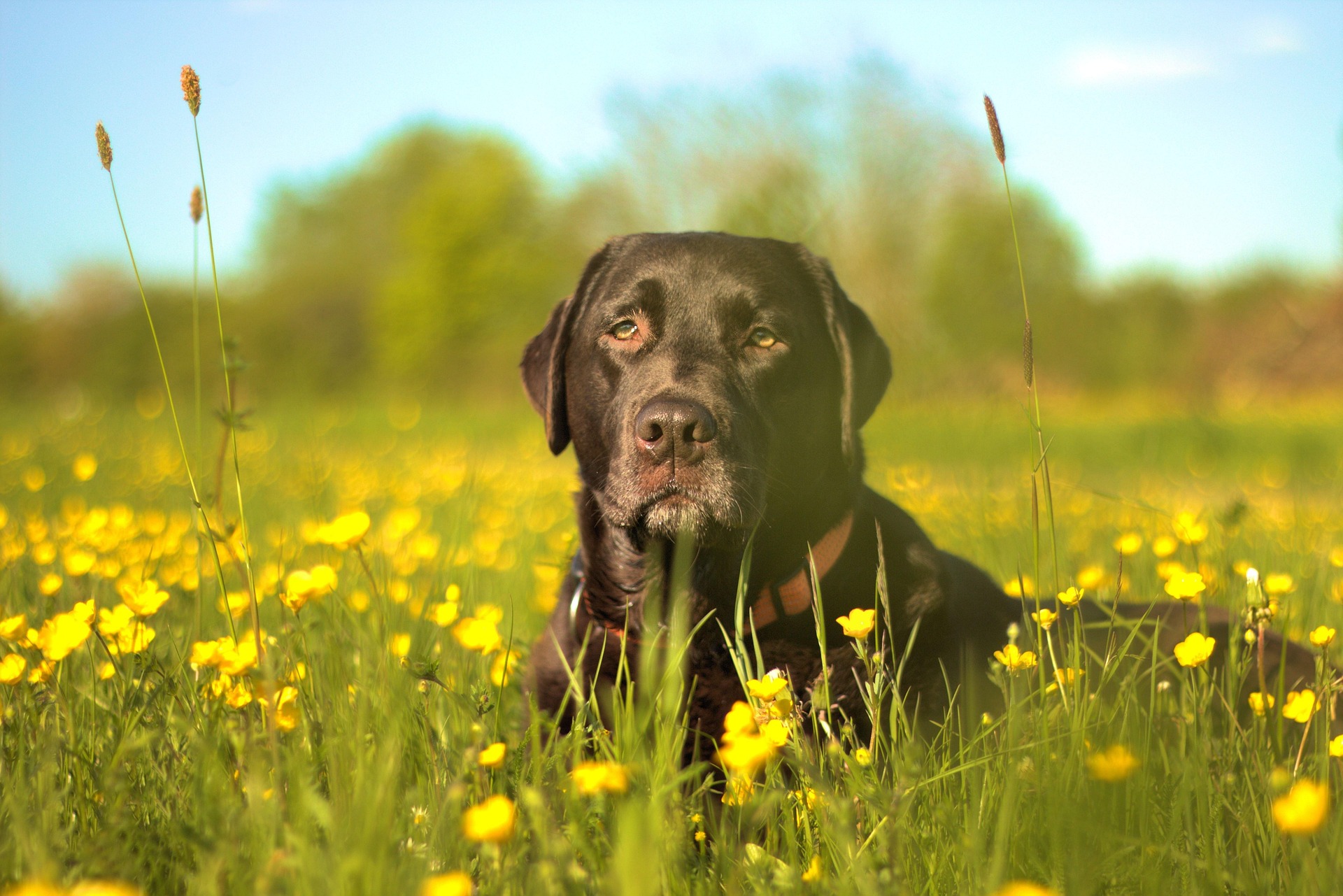
Grooming is far more than cosmetic — it’s a vital component of your Labrador’s health routine. When done consistently with the right tools and techniques, grooming supports a clean, comfortable coat and skin, reduces shedding issues at home, and helps you detect potential health problems early. American Kennel Club+1