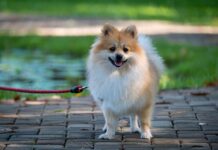
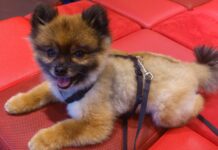
Training a Pug can be both incredibly rewarding and uniquely challenging. These small, lovable dogs are known for their affectionate personalities, expressive faces, and a touch of stubborn independence. While they’re not the hardest breed to train overall, they do require a specific approach that respects their temperament, physical traits, and learning style.
In this comprehensive guide, we’ll walk you through effective training techniques, explain why they work for Pugs, and give you step‑by‑step instructions for everything from potty training to advanced commands—all backed by expert sources.
Understanding Your Pug’s Personality and Training Needs
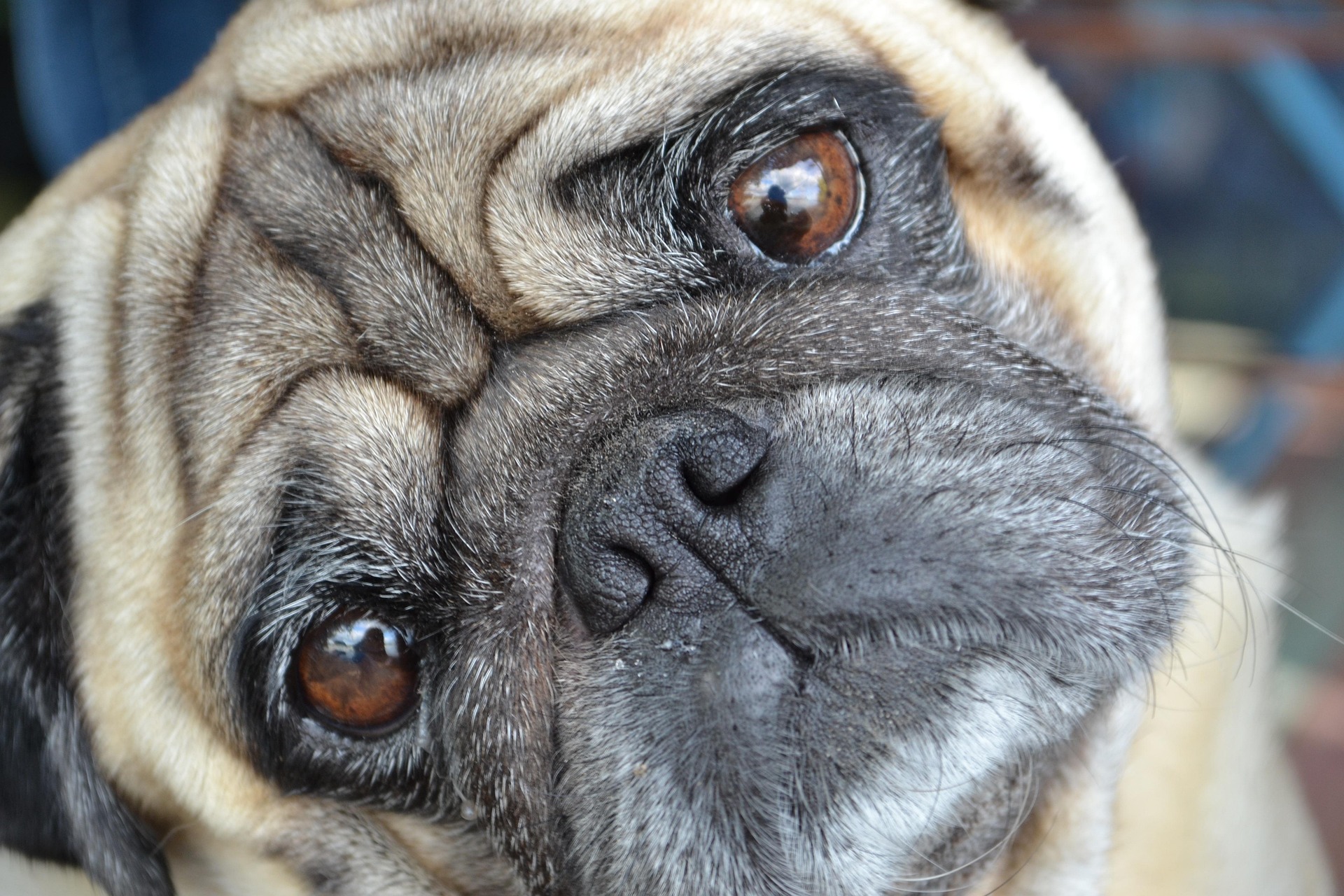
Training success starts with understanding what makes the Pug tick. Pugs are a breed designed to be companions first and foremost—their intelligence and desire for affection make them eager to learn when training is done right. However, like many small, flat‑faced breeds, Pugs:
-
Have short attention spans, meaning training must be engaging and repetitive. lyka.com.au
-
Can be stubborn, acting independent when they feel stubborn. borrowmydoggy.com
-
Are highly food‑motivated, so treats work well as reinforcement—but should be used carefully to avoid weight gain. PetCareRx
A well‑trained Pug is more confident, more obedient, and overall happier in its home environment. Let’s look at how to unlock that potential.
1. Starting Training Right Away
The best time to begin training your Pug is the very first day you bring them home. Whether you have a young puppy or an adult rescue, introducing a routine and expectations immediately helps establish good habits from the start. According to the American Kennel Club (AKC), setting a schedule early—meal times, potty breaks, and short training sessions—goes a long way toward successful obedience. American Kennel Club
Why this matters:
-
Early training sets your expectations clearly.
-
Puppies especially absorb lessons if introduced between 8–16 weeks of age. American Kennel Club
-
Adult Pugs can learn too—just be patient and consistent.
2. House Training (Potty Training)
One of the most common frustrations new Pug owners face is house training. Pugs learn best with positive reinforcement, not punishment. Make every successful potty session outdoors something worth celebrating.
Step‑by‑Step Potty Training Plan
👉 Set a Routine
Take your Pug outside at predictable times each day: after eating, after waking up, and before bed. A consistent schedule helps establish expectations. MyPugNation
👉 Choose a Designated Spot
Take your dog to the same spot outdoors each time—they’ll start to associate the location with potty breaks. pugvillage.com
👉 Praise and Reward Immediately
As soon as your Pug goes in the correct place, give verbal praise and a small treat. Pugs respond strongly to rewards when the timing is right. pugvillage.com
This immediate reinforcement helps them connect the behavior with the reward.
👉 Avoid Punishment for Accidents
Scolding or physical punishment doesn’t teach your Pug what to do instead. Instead, interrupt gently and take them outside again. MyPugNation
👉 Supervise Closely
When not in their crate or confined area, supervise your Pug. Many accidents happen when they wander off unsupervised. YMAWS
Positive reinforcement, consistency, and patience are the true keys to house training your Pug successfully.
3. Crate Training: A Smart Foundation
Crate training isn’t about confinement—it’s about teaching your Pug to feel safe and secure in a controlled space. A well‑trained dog will see the crate as their den, which helps with potty training and managing behavior. Wikipedia
Crate Training Tips
✔ Choose the right size crate. It should be large enough for your Pug to stand and turn around comfortably but not so large that they can use one corner as a bathroom. Wikipedia
✔ Add comfortable bedding. This makes it a positive space your Pug wants to go into.
✔ Use treats and praise. You can feed meals in the crate so your dog learns to associate it with good experiences.
✔ Never use the crate as punishment. The goal is comfort—not confinement.
4. Basic Obedience Commands
Teaching basic commands like sit, stay, come, and down helps build communication and control. Pugs learn best when training sessions are short, engaging, and consistent. Dogster
Command Training Tips
✨ Start with “sit”
Use a small treat, hold it above your Pug’s head, and slowly move it back so they naturally sit. Say “sit” as they do it, praise, and reward.
✨ Add “stay” once sit is learned.
Have your Pug sit, then take a small step back and say “stay.” Reward when they remain in place.
✨ “Come” on cue
Stand a short distance away, use a happy voice, and reward when your Pug approaches.
✨ Short sessions are best.
Aim for 5–10 minute sessions multiple times a day—Pugs can get bored if you drill too long. Dogster
5. Positive Reinforcement: The Best Motivator
Whether you’re house training, teaching commands, or addressing behavior problems, positive reinforcement beats punishment every time.
What Positive Reinforcement Looks Like
🌟 Treats – Use small, tasty pieces specifically for training so your Pug stays motivated without overeating. PetCareRx
🌟 Verbal praise and petting – Some Pugs value affection just as much as treats. borrowmydoggy.com
🌟 Playtime or favorite toy – This can be a reward for more playful dogs.
Why it works: Pugs are people‑oriented and learn to connect good behavior with good things happening, which builds trust and communication.
6. Socialization: A Must for Well‑Balanced Behavior
Proper socialization helps your Pug become confident and comfortable with new environments, people, and other dogs. Experts recommend starting at a young age and continuing throughout life. American Kennel Club
Socialization Tips
🐾 Introduce your Pug to different environments, like parks or friendly homes.
🐾 Schedule calm play dates with vaccinated, well‑behaved dogs.
🐾 Expose them to different sounds, surfaces, and people.
Early positive social experiences reduce fear‑related behaviors and build a more adaptable dog.
7. Advanced Tricks and Fun Commands
Once your Pug has mastered the basics, it’s time for fun! Tricks like roll over, spin, shake, or wait are mentally stimulating and strengthen your bond. Many owners report teaching their Pugs fun tricks with success using positive reinforcement and a playful environment. Reddit
Trick Training Tips
🎲 Keep sessions short: Pugs are smart but have short attention spans. lyka.com.au
🎲 Use high‑value treats: Save special treats just for trick training.
🎲 Break steps into tiny pieces: Teach one part at a time and celebrate small improvements.
8. Handling Problem Behaviors
Even the best‑behaved Pug may develop certain issues like barking, leash pulling, or attention‑seeking. These behaviors are often the result of incomplete training or lack of consistency. canineperspectivechicago.com
Common Challenges & Solutions
❗ Leash pulling: Stop walking when your Pug pulls. Wait for slack before proceeding.
❗ Jumping on guests: Ask your Pug to “sit” before greeting visitors.
❗ Excessive barking: Reward quiet behavior by redirecting attention to you and giving a treat.
Being an assertive—but fair—leader helps your Pug understand boundaries while still feeling loved and safe. canineperspectivechicago.com
9. Training and Your Pug’s Health
Training sessions can be physical exercise, but with Pugs’ unique anatomy, it’s important to adapt them:
☀️ Avoid hot, humid weather for outdoor training. Pugs have short faces and can overheat easily. PetCareRx
☀️ Keep sessions indoors with good ventilation or air conditioning during warm months.
☀️ Short walks or light play before training can help burn excess energy and improve focus. lyka.com.au
Your Pug’s comfort and safety should always come first.
10. When to Seek Professional Help
If you’ve consistently tried training your Pug with patience and positive reinforcement and still struggle with major behavior issues, a professional trainer or obedience class can be invaluable. Obedience schools help teach both the dog and the owner how to communicate effectively. Wikipedia
Consider hiring a trainer if:
✅ Your Pug shows fear or aggression.
✅ Basic training stalls out after several weeks.
✅ You want structured help with socialization.
Even a few sessions can make a big difference in understanding your dog’s learning style and improving results.
Final Thoughts
Training a Pug is a journey—one filled with laughter, a few frustrations, and many heartwarming “aha” moments. With consistency, patience, and positive reinforcement:
✔ Your Pug will learn basic obedience.
✔ House training becomes achievable.
✔ Problem behaviors become manageable.
✔ You’ll build a deeper bond with your loyal companion.
The key is to understand your Pug’s nature, respect their limitations, and train smart, not hard.
Further Reading & Resources
🔗 Housetraining Pugs: FAQ and Tips — Pug Village explains basic potty training strategies for success. pugvillage.com
🔗 Obedience & House Training for Your Pug — PetCareRx covers key training questions and challenges. PetCareRx
🔗 How to Train a Pug Puppy — AKC training milestones for pups from 8 weeks onward. American Kennel Club
🔗 Positive Reinforcement Methods for Pugs — BorrowMyDoggy highlights training styles that work well with this breed. borrowmydoggy.com
🔗 Pug Training Profile — Canine Perspective on behavior and assertive training. canineperspectivechicago.com
🔗 Crate Training Guide — Wikipedia overview of how to use crates effectively in canine training. Wikipedia
🔗 Obedience School Explained — Wikipedia’s guide to structured group training. Wikipedia