Golden Retrievers are intelligent, eager to please, and generally responsive — which makes them excellent candidates for training. But even smart dogs need the right approach, timing, and consistency to learn well. Many owners try common methods that don’t work long‑term, leading to frustration for both dog and handler.
In this complete guide, you’ll get practical, evidence‑backed training tips that really work for Golden Retrievers — whether you’re puppy‑training basic manners or teaching advanced commands. We’ll also cover behavior challenges, training tools, socialization, and ways to make training a joyful experience for you and your dog.

1. Start Early — Training Should Begin as Soon as You Bring Your Dog Home
Training should begin as early as possible — especially with puppies. Early training helps shape good behaviors before unwanted habits take hold. Starting simple cues like sit, stay, and down encourages learning and builds a solid foundation for future skills. pattepatte.co
Why early training matters:
-
Puppies learn basic cues faster than adults accustomed to other routines. pattepatte.co
-
Early socialization reduces fear and anxiety around new people, animals, and environments. Dogster
-
It creates strong expectations that carry into adulthood. pattepatte.co
2. Use Positive Reinforcement — Reward Good Behavior Immediately
Golden Retrievers respond very well to positive reinforcement — meaning you reward behaviors you want to repeat rather than punishing mistakes. Treats, toys, praise, or playtime encourage your dog to want to learn. lyka.com.au+1
How to do it well:
-
Offer treats right after a correct action so your dog makes the connection. Chewy
-
Use high‑value rewards (favorite treats or toys) for tougher skills. lyka.com.au
-
Pair treats with praise or play for maximum reinforcement. myitchydog.co.uk
Trainer tip: A playful, upbeat tone makes training more effective — dogs can sense your attitude and will work harder when sessions feel fun. lyka.com.au
3. Keep Sessions Short, Fun, and Frequent
Golden Retrievers are smart but can lose focus if training goes on too long. Short sessions of 5–10 minutes are more effective than long, repetitive training periods. Houndsy
Daily training routine suggestions:
-
2–3 short sessions per day
-
Practice commands during daily life (e.g., “sit” before meals) Chewy
-
Sprinkle in play and praise between drills
Short sessions prevent your dog from becoming bored or overwhelmed and help them retain what they learn. Dog Breeds Expert
4. Be Consistent With Commands, Cues, and Expectations
Consistency is absolutely essential in training. Dogs learn by association — if you use different words or gestures for the same command, your Golden can get confused. Dog Breeds Expert
Tips for consistency:
-
Use the same word and hand signal for each cue (e.g., always “sit,” not “sit down”) Let\’s Learn Slang
-
Ensure everyone in the household uses the same commands — mixed signals slow learning. Dog Breeds Expert
-
Stick to consistent rules (e.g., no jumping on people). Hepper Pet Resources
When training means the same thing every time, your Golden learns faster and more reliably. Dog Breeds Expert
5. Use Clicker Training for Clear Communication

Clicker training is a powerful tool that helps mark exactly when your dog performs a desired behavior, making learning more precise and faster. Pawsandpaws.com+1
How it works:
-
Click the device at the moment your dog performs the correct action. Pawsandpaws.com
-
Immediately reward with a treat or praise. citizenshipper.com
-
Repeat until the behavior becomes ingrained.
This method provides clear communication and helps your Golden understand what behavior earns rewards. citizenshipper.com
6. Teach Core Commands Early and Meaningfully
Certain basic commands are essential for Golden Retrievers and make everyday life smoother:
Sit
One of the first and most important commands — helps manage excitement and reinforces impulse control. Chewy
Stay
Teaches patience and self‑control, useful in many real‑life situations. Houndsy
Recall (“Come”)
A critical safety command that you should start in distraction‑free areas and slowly add complexity. K9 Web
Leave It
Very useful for preventing your dog from picking up dangerous items during walks or play. animaliakingdom.ca
Goal: once these basics are solid, you can build toward more advanced skills. animaliakingdom.ca
7. Structure Training Through Daily Routines
Training shouldn’t be limited to “formal sessions.” Embedding cues into daily life helps reinforce learning naturally, making behavior transfer easier. Chewy
Examples:
-
Ask for sit before meals
-
Practice stay before opening the door
-
Use come in safe play sessions
This approach helps train obedience without long drills and keeps behavior generalizable to real environments. Chewy
8. Socialize Your Golden Retriever From the Start
Socialization is crucial, especially in puppies. Expose your dog to various people, animals, sounds, and situations to build confidence and reduce fear later in life. Dogster
Ideas for socialization:
-
Puppy socialization classes
-
Walks to different environments
-
Gentle visits with friendly dogs
-
Meeting children and diverse adults
Well‑socialized dogs tend to be calmer, more adaptable, and easier to train. Dogster
9. Crate Training — A Safe Base for Learning
Though sometimes controversial, crate training — when done positively — gives your Golden Retriever a safe personal space and aids in house training and confidence building. K9 Web
How to crate train effectively:
-
Introduce the crate as a positive place with treats and toys
-
Never use it as punishment
-
Gradually increase duration so they feel comfortable
A crate isn’t just confinement — it’s a learning tool that helps with routines and impulse control. K9 Web
10. Leash and Walk Training for Better Behavior
Golden Retrievers are strong, energetic dogs that can easily pull on walks — teaching leash manners early prevents bad habits later. animaliakingdom.ca
Leash training tips:
-
Reward walking beside you with treats
-
Stop when your dog pulls until they return to your side
-
Use a well‑fitted harness if needed
A calm leash walk leads to better behavior in public and more positive training opportunities. animaliakingdom.ca
11. Address Common Behavior Challenges
Golden Retrievers can develop behavior issues like jumping, nipping, or barking — but these are often manageable with the right techniques. Puppy to Dog School
Jumping
Teach alternatives (sit or four paws on the floor) and reward calm greetings. Puppy to Dog School
Chewing
Provide appropriate chew toys and redirect destructive behavior. Puppy to Dog School
Barking
Identify triggers and teach a quiet cue, rewarding silence. Houndsy
Seeking professional help is okay if challenges persist — a behaviorist can tailor solutions. Hepper Pet Resources
12. Train for Mental Stimulation, Not Just Obedience
Golden Retrievers are intelligent and thrive on mental challenges. Training isn’t only about obedience — it can include puzzle games, scent work, agility, or tracking. citizenshipper.com
Mental stimulation benefits:
-
Reduces boredom‑related behaviors
-
Enhances focus and problem‑solving
-
Strengthens your bond with the dog
Using puzzle toys and interactive training tools provides enrichment beyond simple commands. citizenshipper.com
13. Reward Progress, Not Perfection
Training is a process. Celebrate small wins and be patient with setbacks. Golden Retrievers are eager to learn, but consistency and patience win the long game. Hepper Pet Resources
Tips for maintaining motivation:
-
End sessions on a positive note
-
Adjust difficulty gradually
-
Use enthusiastic praise
Positive training builds confidence and encourages your dog to want to learn. Hepper Pet Resources
14. Include the Whole Family in Training
Dogs learn best when everyone in the household uses the same cues and standards. Encourage family members (including kids, if old enough) to participate in training sessions. Chewy
Shared training benefits:
-
Enhances consistency
-
Strengthens dog/family bonds
-
Ensures uniform behavior expectations
When training becomes a shared family activity, your Golden Retriever thrives. Chewy
15. Make Training a Lifelong Process
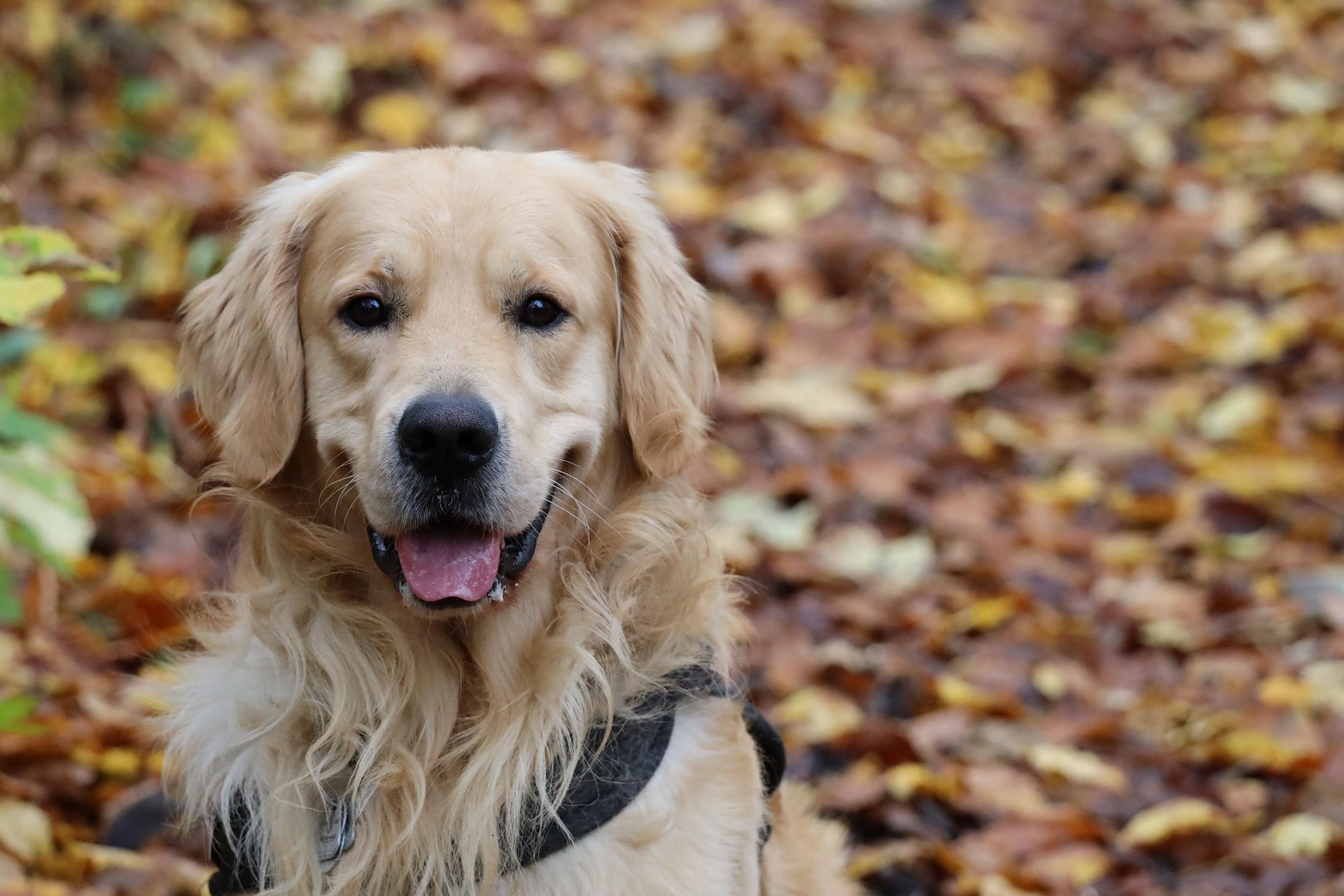
Training doesn’t stop when commands are learned — it continues throughout your dog’s life. Refresh skills, introduce new challenges, and keep sessions fun and engaging. Chewy
Try activities like:
-
Advanced clicks and tricks
-
Agility courses
-
Scent games
-
Obedience challenges
Training enriches your dog’s life and deepens your relationship. Chewy
Conclusion: Training Tips That Really Work
Training a Golden Retriever is one of the most rewarding parts of dog ownership. These dogs are intelligent, sociable, and eager to please — but they thrive with positive reinforcement, consistency, short sessions, socialization, and mental enrichment.
Whether you’re teaching your first puppy the basics or refining manners in an older dog, the tips above are practical, proven, and supported by expert trainers. Stay patient, positive, and involved — your Golden Retriever wants to learn and will flourish with the right approach.