Training a Golden Retriever can be one of the most rewarding parts of dog ownership — but it’s also one of the most challenging. While Golden Retrievers are known for being smart, eager to please, and relatively easy to train, many owners unintentionally make common training mistakes that set back progress, weaken communication, or even damage the bond between dog and owner. Understanding these common pitfalls — and how to avoid them — can dramatically improve your training success.
In this comprehensive guide, we’ll cover:
-
🐾 Why Golden Retriever training matters
-
🐾 The biggest training mistakes owners make
-
🐾 How those mistakes impact your dog’s behavior
-
🐾 Step‑by‑step guidance to fix and prevent errors
-
🐾 Tips for lasting, positive results
Let’s begin!
Introduction: Why Training Golden Retrievers Matters

Golden Retrievers are one of the most popular dog breeds in the world — and for good reason. They are intelligent, friendly, loyal, and highly social. Thanks to their history as retrievers and working dogs, they’re eager to learn and keen to please their owners. Basepaws
However, this eagerness alone isn’t enough to guarantee excellent behavior. Without effective training, even the most well‑meaning owner can see their Golden develop undesirable habits like pulling on the leash, ignoring commands, jumping up on guests, counter‑surfing, or acting out of boredom. Getting training right early creates consistency, confidence, and a strong bond between you and your dog.
1. Mistake #1 — Repeating Commands Too Often
One of the most common mistakes owners make — especially with Golden Retriever puppies — is saying commands more than once. For example:
“Sit… sit… s-i-i-i-t…”
Repeating the command teaches your dog that they don’t have to listen the first time — they can wait until you repeat it several times. That delays learning and can make your dog tune you out altogether. American Kennel Club
Why This Happens
You ask a command once, the dog doesn’t respond immediately, and you instinctively repeat it to speed things up. But dogs don’t understand human impatience — they learn through clear, single cues every time.
How to Fix It
-
Say the command once clearly.
-
Maintain eye contact and wait.
-
If your dog doesn’t respond, reset and try again — but don’t repeat the word.
-
Reward immediately when your dog does obey the first cue.
This builds clarity, confidence, and reliability in response.
2. Mistake #2 — Not Introducing the Leash Early Enough
Many owners delay leash training until the dog is older — thinking a puppy isn’t ready. Leaving leash training until later can cause resistance or difficulty later in walks. A-Z Animals
Why This Matters for Golden Retrievers
Goldens grow up to be strong, curious dogs with high energy. Getting them accustomed to a leash early builds good habits before bad ones take hold.
Best Practice
-
Clip the leash on for short sessions — even inside the home.
-
Let your puppy drag the leash while supervised so it becomes familiar.
-
Introduce basic leash etiquette (loose lead walking) in short, fun sessions.
Starting early prevents pulling, stubborn stops, and fear of the harness/collar.
3. Mistake #3 — Inconsistent Training and Rules
Inconsistency is one of the most frustrating training mistakes for dogs. If your Golden gets away with a behavior one day — and is corrected for it the next — it becomes confusing rather than disciplinary. American Kennel Club
Examples of inconsistency include:
✔ Letting the dog jump on you sometimes, but scolding other times
✔ Allowing couch access one day, but insisting “off” the next
✔ Everyone in the household using different commands or rules
Why It’s a Problem
Dogs learn through patterns. If a behavior sometimes gets rewarded and sometimes gets ignored, the dog won’t know what is expected — and may end up doing whatever works at the moment.
4. Mistake #4 — Skipping Socialization
Socialization isn’t a training command — it’s training context. Failing to socialize a Golden Retriever puppy properly can result in fear, anxiety, over‑excitement, or hesitation around new people, pets, noises, and environments. Happy Pup Manor
What Socialization Is
Socialization means exposing your puppy to lots of people, animals, places, and situations positively and safely — from an early age. It’s not just about obedience; it ensures your dog becomes confident and well‑adjusted.
How to Socialize Properly
-
Introduce new sounds (traffic, children playing, household machines)
-
Visit dog‑friendly parks or puppy classes
-
Invite guests over to meet your dog calmly and positively
Proper socialization prevents behavioral issues and supports training progress.
5. Mistake #5 — Relying Only on Physical Exercise
Golden Retrievers are active dogs — but exercise alone is not enough as a training solution. Simply “wearing them out” doesn’t address the mental challenge of learning good behavior. PetsForHomes
Why It’s a Mistake
Many owners think a tired dog will be “well‑behaved” — but mental stimulation and training engagement are equally crucial. A bored dog may still:
-
Chew furniture
-
Bark excessively
-
Ignore commands
-
Run off or chase animals
Physical exercise is important, but it needs to be paired with mental training.
Better Balance
-
Short obedience training sessions
-
Brain games (e.g., puzzle toys, hide and seek)
-
Structured training tasks (sit, stay, recall)
A mentally engaged Golden Retriever is happier and more responsive.
6. Mistake #6 — Using Harsh or Negative Training Methods
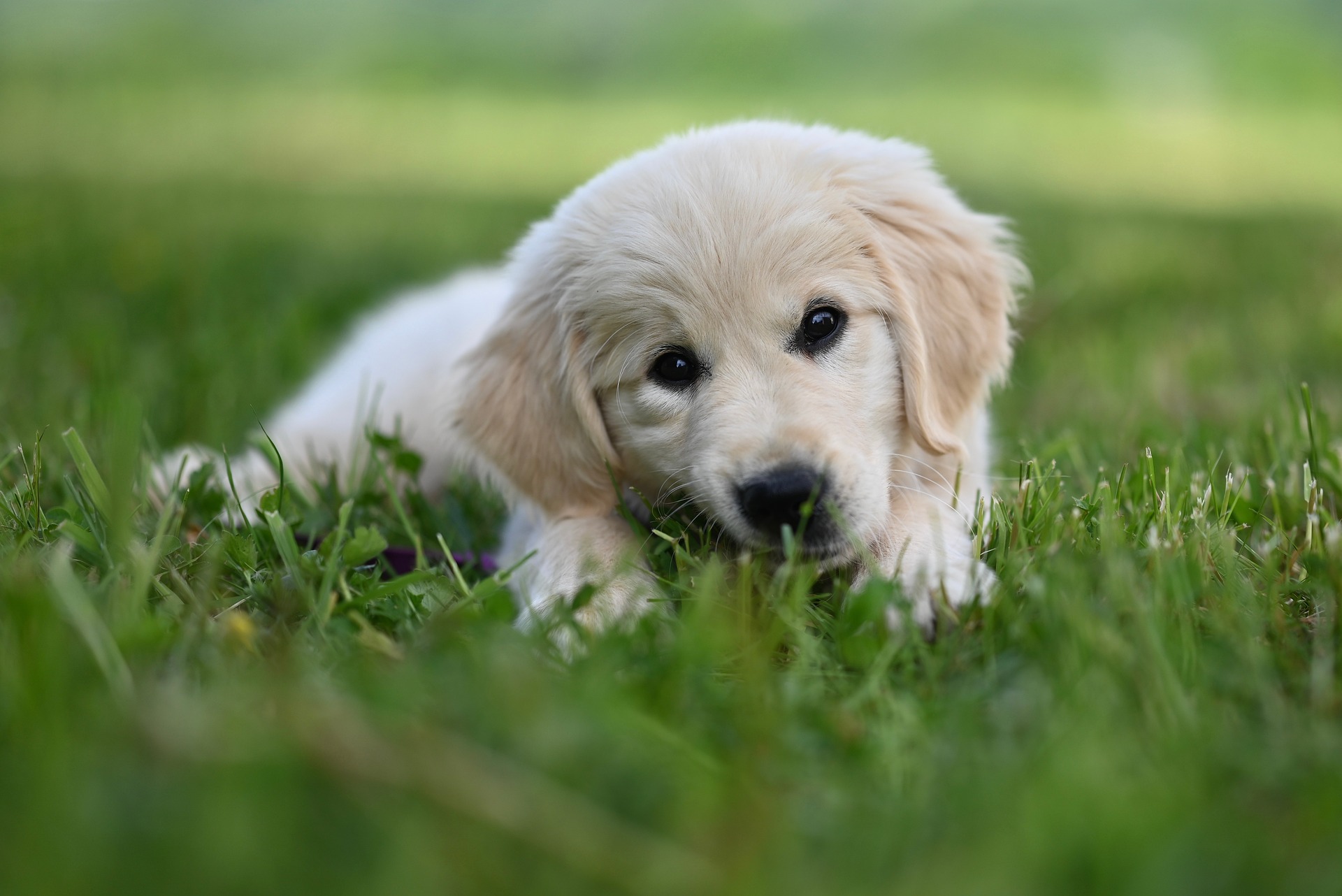
Old‑school training techniques sometimes used physical punishment, dominance techniques, or harsh corrections. These can damage the bond with your dog and slow training progress. gratefulpaw.com
Why This Is Problematic
Golden Retrievers are sensitive, people‑oriented dogs. Harsh techniques can make them:
-
Fearful
-
Anxious
-
Reluctant to try new behaviors
-
Distrustful of training sessions
Instead, positive reinforcement should be the foundation of all training.
7. Mistake #7 — Improper Potty Training
Puppy potty training is a trainer’s responsibility. A Golden doesn’t know right from wrong early on, and expecting perfection without guidance is a recipe for indoor accidents. A-Z Animals
Common Errors
-
Letting puppies ‘figure it out’ on their own
-
Not anticipating the puppy’s needs after meals or playtime
-
Punishing accidents instead of preventing them
Effective Approach
✔ Take your puppy out frequently — especially after eating, waking up, or playing
✔ Praise or reward immediately after they eliminate outdoors
✔ Avoid punishment — it doesn’t teach the dog where to go
Consistent potty training builds good habits from the start.
8. Mistake #8 — Expecting Too Much Too Soon
Puppies have limited attention spans and are still developing mentally and physically. Expecting advanced obedience or flawless performance immediately is unrealistic and unfair. Happy Pup Manor
Realistic Expectations
-
Keep sessions short (5–10 minutes)
-
Practice commands in many environments
-
Celebrate small wins and build up gradually
Golden Retrievers can learn advanced behaviors — but only when you scaffold training appropriately.
9. Mistake #9 — Ignoring Body Language and Timing
A key part of dog training that often goes unnoticed is timing. Delivering rewards or corrections too late can confuse your dog as to what they’re being reinforced for — even if you think you’re rewarding the right behavior. American Kennel Club
Tips for Better Timing
-
Reward immediately (within 1–2 seconds) after the correct behavior
-
Use a marker (like a clicker or “Yes!”) to indicate the exact moment the dog did right
-
Deliver treats at the correct position so your dog knows what they’re being rewarded for
Good timing creates clear learning associations.
10. Mistake #10 — Not Generalizing Commands Across Contexts
Your dog might “sit” in the living room — but what about:
-
At the park?
-
When the doorbell rings?
-
Around other dogs?
Dogs don’t automatically generalize a command from one context to another. You have to practice commands in many locations, distances, and distractions. American Kennel Club
How to Generalize Training
✔ Practice in different rooms
✔ Train outdoors
✔ Introduce distractions slowly (people, toys, noises)
This teaches your Golden that sit means “sit everywhere — not just here.”
Training Tools: When and How to Use Them
Positive Reinforcement and Clicker Training
Clicker training and positive rewards are widely recommended for Golden Retrievers because they build eagerness, trust, and clarity. A-Z Animals
Leashes, Harnesses, and Head Halters
Use flat collars or harnesses for basic training. Head halters or special equipment can help with specific behaviors like pulling — but shouldn’t replace foundational training.
Training Classes and Professional Help
Group classes or working with a certified trainer can help owners avoid mistakes and learn the right techniques. It’s especially useful for socialization and building confidence.
Putting It All Together: A Training Plan Roadmap
Here’s a suggested timeline to avoid common pitfalls and keep your Golden Retriever on track:
Weeks 1–4: Foundation Phase
-
Name recognition
-
Potty training schedule
-
Leash habituation
-
Basic commands (sit, come)
Months 2–4: Early Training Phase
-
Positive reinforcement foundation
-
Socialization to people and sounds
-
Routine establishment
-
Introduction to structured play
Months 4–6: Skill Building
-
Distraction training
-
Longer walks with leash etiquette
-
Confidence building
-
Recall training
6+ Months: Expansion and Refinement
-
Generalize commands
-
Continue socialization
-
Introduce advanced commands
-
Ongoing reinforcement
Consistency and incremental learning make all the difference.
Conclusion: Training With Patience and Purpose

Golden Retrievers are intelligent, friendly, and trainable — but even the best owners can fall into common training mistakes that slow progress or create confusion. Understanding these pitfalls, and knowing how to fix or prevent them, sets you and your dog up for success.
Whether you’re bringing home a new puppy or working with an older dog, training should be:
✨ Clear
✨ Consistent
✨ Positive
✨ Fun
By avoiding the mistakes many owners make — from repeating commands to inconsistent rules — you build a solid foundation for years of happy, obedient companionship with your Golden Retriever.
Sources & Further Reading
✔ “Training Your Golden Retriever: Best Tips & Common Mistakes” — A‑Z Animals: https://a-z-animals.com/blog/training-your-golden-retriever-best-tips-common-mistakes-and-more/ A-Z Animals
✔ “Common Dog Training Mistakes and How to Avoid Them” — American Kennel Club (AKC): https://www.akc.org/expert-advice/training/common-dog-training-mistakes/ American Kennel Club
✔ “Golden Retriever Training Guide” — Best Mate Dog Training: https://www.bestmatedogtraining.co.nz/golden‑retriever-dog‑training‑guide Best Mate Dog Training
✔ “Are Golden Retrievers Easy to Train? Tips & Challenges” — Basepaws: https://basepaws.com/blog/are-golden-retrievers-easy-to-train Basepaws
✔ “12 Very Useful Dog Training Tips” — AKC Basic Training: https://www.akc.org/expert-advice/training/12-useful-dog-training-tips/ American Kennel Club