Training a Pug can be incredibly rewarding — but it’s not always easy. With their charming personalities and sometimes stubborn streak, Pugs require thoughtful, consistent training approaches that work with their nature rather than against it. Many owners unintentionally make mistakes that slow progress, create confusion, or even damage the bond with their dog. Fortunately, most of these pitfalls are entirely avoidable once you know what to watch for.
In this article you’ll learn about the most common Pug training mistakes, why they happen, and practical, proven ways to avoid them using techniques backed by canine behavior experts and trusted pet training resources.
🐾 Why Pugs Are Unique in Training

Before diving into mistakes, it’s important to understand what makes Pugs special as training partners. Pugs are:
-
Highly food-motivated
-
Social and affectionate
-
Moderately stubborn or independent at times
-
Quick to get bored without variety
Because of these traits, what works for other breeds may not work as well for Pugs — and that’s where many training errors begin.
❌ Mistake #1: Inconsistency in Commands and Cues
One of the top training issues owners face is inconsistent communication. If you use different words, tones, or expectations for the same command, your Pug won’t make the connection you want.
👉 Example: Saying “come here” one day and “come” the next will confuse your dog and slow progress.
👉 Solution: Choose one clear command per behavior and use it consistently — not just by you, but by every family member. This builds clarity and confidence in your Pug’s understanding. Pugazon
❌ Mistake #2: Lack of Positive Reinforcement
Pugs respond best to reward‑based training. They thrive on praise, treats, and play — and positive reinforcement helps them emotionally connect with learning.
Common errors include:
-
Ignoring good behavior
-
Rewarding too late
-
Using punishment or scolding
👉 Why this matters: Punishment can damage trust and make your Pug fearful rather than cooperative. Pugs Beauty
👉 Better approach:
✔ Use high‑value treats (like tiny chicken or cheese pieces)
✔ Reward immediately after the correct behavior
✔ Offer verbal praise or a short play break
Over time, you can reduce treats and rely more on praise once a behavior is established. Pugazon
❌ Mistake #3: Expecting Quick Results
Pugs aren’t known for lightning‑fast obedience, and expecting instant results is a recipe for frustration. Whether you’re teaching basic commands like sit or more complex tasks, patience is essential.
👉 Why it happens: Many owners compare Pugs to other easily motivated breeds, like Border Collies. But Pugs often learn at their own pace, especially if training sessions are too long or stressful. Pugazon
👉 Solution:
-
Keep sessions short and fun (5–10 minutes)
-
End with a win — not a failure
-
Repeat often throughout the day
This approach fits with Pugs’ attention span and helps them stay engaged. Pets4Homes
❌ Mistake #4: Overfeeding Treats
This mistake comes up often because Pugs love food — perhaps a little too much. While treats are powerful motivators, too many can lead to rapid weight gain, which is especially risky for Pugs since they are a breed prone to obesity and breathing issues. wagspugs.com
👉 Best practices:
✔ Make training treats tiny, so they don’t add many calories
✔ Use part of their regular meal as rewards
✔ Limit treat calories to about 10% of daily intake during training
Balancing treats with overall diet helps keep your Pug healthy while still motivated to learn. Pets4Homes
❌ Mistake #5: Training Too Long
Long sessions stress Pugs and reduce learning. Because they tire quickly and can get bored, drawn‑out sessions often lead to distraction or stubborn behavior — not better performance. Pugazon
👉 Solution:
✔ Break training into short bursts
✔ Do multiple mini‑sessions (5–10 minutes) daily
✔ Combine training with play or mental games
Short sessions help your Pug stay fresh and more likely to respond positively. Pugs Beauty
❌ Mistake #6: Ignoring Breed Personality Traits
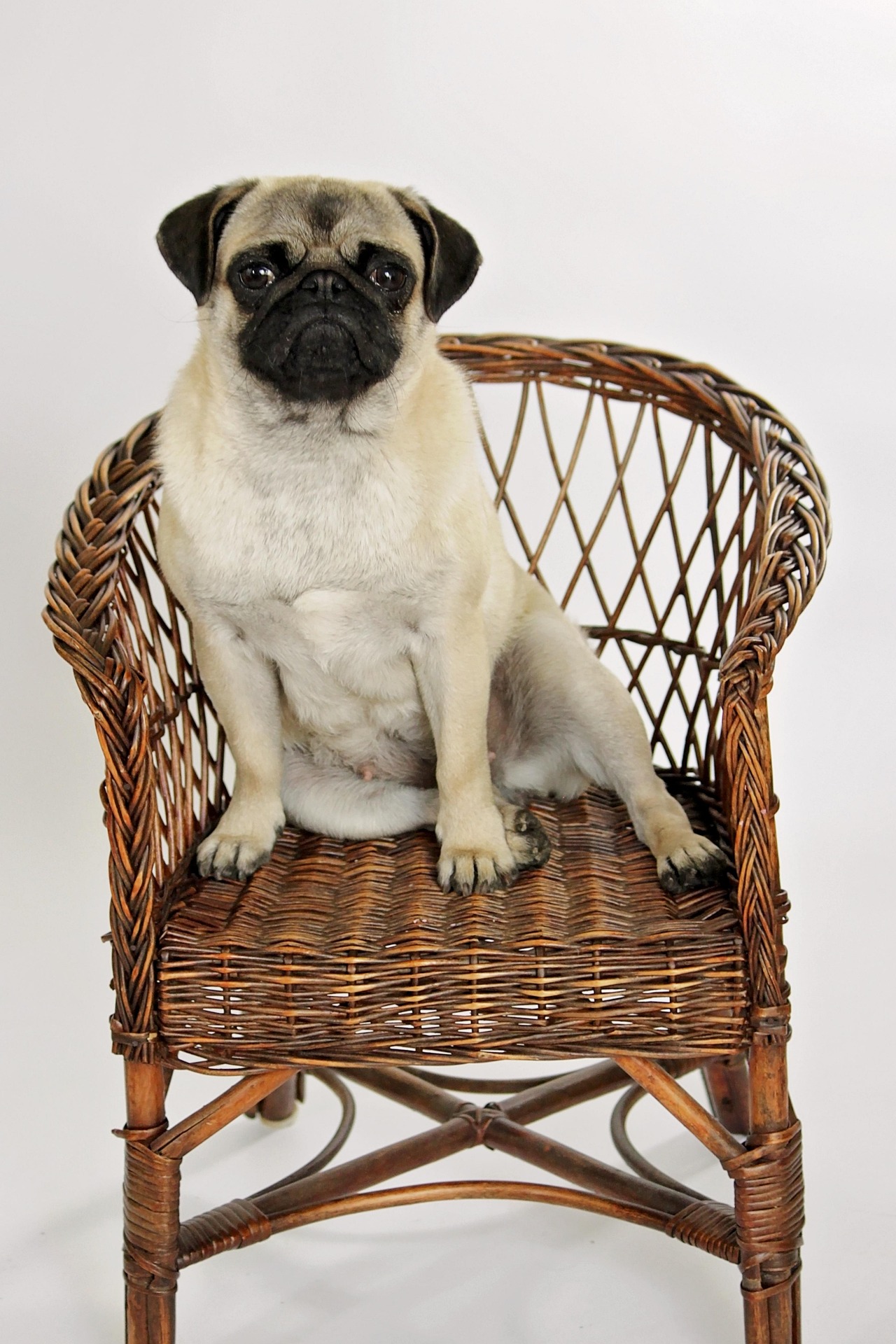
Pugs are fun, expressive, and sometimes willful. They love human interaction, and may test boundaries just to see how you react. Failure to account for this can lead to training frustrations.
👉 Breed behavior tip:
-
Expect occasional stubbornness
-
Plan for mental engagement
-
Don’t treat them like overly rigid working breeds
For example, teaching recall or walking calmly on a leash may require extra patience compared to faster‑learning breeds. Pugs Beauty
When you plan for their temperament and natural curiosity, training feels more like a game and less like a chore.
❌ Mistake #7: Failing to Socialize Early
Pugs can become fearful or anxious if not properly socialized as puppies. Meeting other dogs, people, and environments helps them become well‑rounded adults.
👉 Socialization mistakes to avoid:
✔ Only training at home
✔ Isolating your Pug from new experiences
✔ Not rewarding calm behavior in new situations
Early social exposure helps prevent fear‑based behaviors and makes later training easier. animalzoid.com
❌ Mistake #8: Confusing or Mixed Signals
If the dog doesn’t know exactly what you want, training becomes harder. This can happen when:
-
Different family members use different commands
-
Rewards are inconsistent
-
Desired and undesired behaviors are rewarded accidentally
👉 Solution:
Create a house training plan and train every member of the household on:
✔ Standard commands
✔ Rules and boundaries
✔ Reward systems
This unified approach prevents confusion and accelerates learning. Pugazon
❌ Mistake #9: Not Addressing Problem Behaviors Early
Some owners delay dealing with behaviors like:
-
Jumping on guests
-
Excessive barking
-
Chewing or destructive habits
-
Ignoring boundaries
Letting these behaviors “slide” can make them normal patterns that are harder to change later. Pug Box
👉 Proactive strategy:
✔ Redirect to desired behaviors right away
✔ Use commands like “sit” or “quiet” with immediate rewards
✔ Combine discipline with positive options
This proactive approach prevents bad habits from taking root.
❌ Mistake #10: Punishment‑Based Training
Avoid any punishment method involving:
-
Yelling
-
Physical corrections
-
Scolding
Punitive training undermines trust and may increase anxiety or fearful behaviors. Positive reinforcement — reward, praise, play — builds a stronger bond and better long‑term results. Pugs Beauty
🧠 Tips for Successful Pug Training
To avoid these mistakes entirely, here are some best practices:
🟢 Keep Training Fun
Turn training into playtime. Pugs learn faster when it feels positive.
🟢 Use High‑Value Motivation
Sometimes a regular treat isn’t enough — use special treats occasionally to break through stubbornness. Pugazon
🟢 Be Patient
Training is a marathon, not a sprint — especially with Pugs. Pets4Homes
🟢 Celebrate Small Wins
Even small improvements get your Pug excited and build confidence. Pugs Beauty
🟢 Address Training with Health in Mind
Because Pugs can have breathing and weight issues, tailor physical training to suit their physical capabilities (short walks, low‑impact activities). wagspugs.com
🏁 Conclusion: Training Pugs Without Regrets
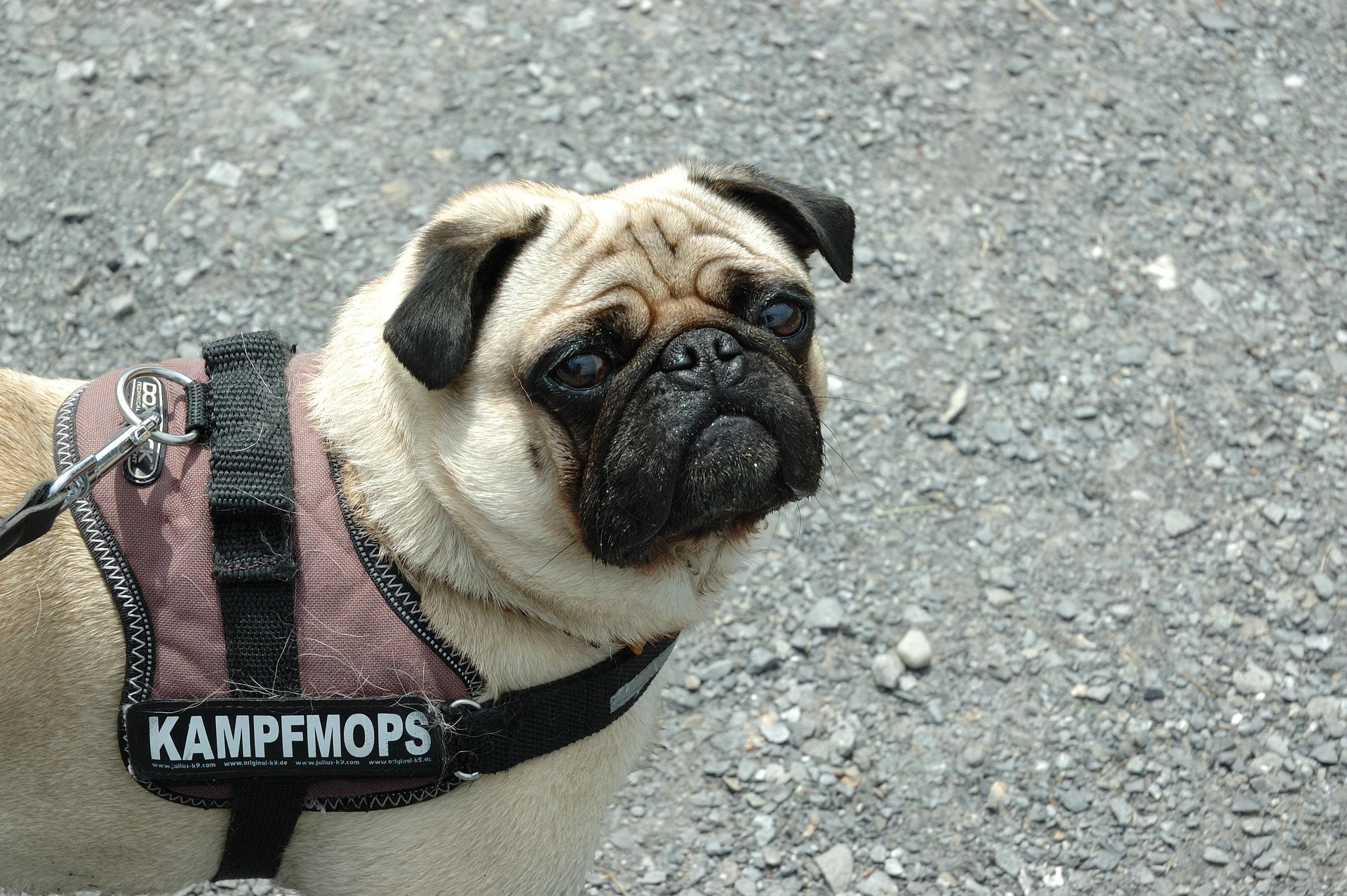
Training your Pug doesn’t need to feel daunting. Most obstacles come from misunderstandings about how Pugs think and learn. When you avoid common mistakes — like inconsistency, punishment, overlong sessions, and mixed signals — training becomes smoother and more enjoyable for both you and your dog.
At its heart, successful Pug training is about patience, consistency, and positive reinforcement. Treat every session as a chance to build trust and deepen your bond.
📌 Sources & Further Reading
🔗 Pug Training Tips and Common Mistakes — Pugazon: Avoid inconsistencies and maximize positive reinforcement. Pugazon
🔗 Positive Reinforcement for Pugs — Pugs Beauty: Avoid punishment and delayed rewards. Pugs Beauty
🔗 Leash Training Mistakes to Avoid — Pugs Beauty: Right equipment and consistent cues. Pugs Beauty
🔗 Motivation and Training Tips for Pugs — Pets4Homes: Short, clear sessions and consistent commands. Pets4Homes
🔗 Behavior Modification Techniques — Pugazon: Positive behavior reinforcement and avoiding punishment. Pugazon
🔗 How to Train Your Pug: 10 Expert Tips — PugBoxes: Practical training session and reward guidelines. Pug Box