Yorkshire Terriers — or Yorkies — are tiny dogs with big personalities, and a large part of their communication happens not through words, but through body language. Since dogs don’t speak human language, they rely on posture, facial expressions, vocalizations, and movements to show how they feel, what they need, and how they respond to their environment. Wikipedia
Understanding Yorkie body language isn’t just helpful — it’s essential if you want a strong bond, better training outcomes, and fewer miscommunication problems. This guide will show you how to interpret your Yorkie’s signals, what common behaviors mean, and how to respond appropriately.
1. Why Body Language Matters for Yorkies

Dogs communicate primarily through visual cues, which include tail movement, ear and eye positions, posture, and even subtle facial changes. Unlike humans, dogs don’t talk with words — they “speak” with their bodies. Wikipedia
Yorkies, despite their small size, are especially expressive because:
-
They are alert and observant.
-
They have a wide range of postures and signals relative to their compact bodies.
-
They evolved as a terrier breed, relying on body language to communicate with hunting partners and human companions.
Learning dog body language helps you:
✔ Reduce misunderstandings and prevent conflict
✔ Address stress and fear before it escalates
✔ Build trust and deepen your relationship
✔ Train more effectively and empathetically
2. The Basics of Dog Body Language (Applicable to Yorkies)
Before diving into specific Yorkie behaviors, it helps to know the core body language principles that apply to most dogs, including Yorkies.
Tail Position and Movement
The tail is one of the most expressive parts of a dog’s body. A wag is not always simple happiness — context matters.
✔ Loose wagging tail (neutral height) — often means a relaxed and content dog.
✔ Fast, high wag — could indicate excitement or high arousal.
✔ Low or tucked tail — commonly reflects fear, submission, or anxiety.
✔ Stiff tail wagging — can signal uncertainty or tension rather than friendliness. WalKeys
A wagging tail can be misread if seen in isolation. Always combine it with posture, ears, and eyes to know what your Yorkie really feels.
Ears and Facial Expressions
Ears and eyes are other strong signals:
-
Forward ears — the dog is alert or curious.
-
Ears pulled back — can signal fear, stress, or submission.
-
Direct eye contact with a relaxed face — positive or interested.
-
Avoiding eye contact or looking sideways — may show submission, stress, or uncertainty. WalKeys
Yorkies have relatively small heads and expressive faces — learning how to read their eyes, ears, and muzzle can give you clues about what they’re thinking.
Posture: What Their Body Position Says
A dog’s posture — the way they hold their body — reveals a lot of information:
✔ Relaxed posture — loose body, soft eyes, comfortable stance.
✔ Play stance — often a “play bow,” where front legs are lowered and hindquarters up, indicating invitation to play.
✔ Stiff body — can indicate tension, stress, or discomfort.
✔ Crouched, low body — may imply fear or submission.
✔ Raising fur on the back (hackles) — not always aggression, but higher arousal or alertness. WalKeys
Dogs communicate with their entire body, not just tail wags or facial movements — so always look at the whole picture. Wikipedia
3. Common Yorkie Body Language Signals & What They Mean
Below are some of the signals you’ll likely observe from your Yorkie — and what they’re trying to tell you.
Tail Wagging: More Than Just Happy
Many owners assume a wag always means a dog is happy — but tail wagging is more subtle than that:
-
Loose, gentle wag — comfortable and content.
-
Fast, energetic wag — excited.
-
Low, slow wag — nervous or unsure.
-
Tucked tail — fear, stress, or avoidance. WalKeys
If your Yorkie’s tail is tucked but their body seems tense, they may be uncomfortable or scared of something. These are signs that suggest stress rather than contentment. images.akc.org
Eyes and Eye Contact
Dogs use their eyes to communicate emotional states:
-
Soft eyes — relaxed and comfortable.
-
Hard stare — can imply attention, alertness, or challenge, depending on context.
-
Avoided eye contact — a sign of submission or discomfort. WalKeys
Particularly with small dogs like Yorkies, eye contact combined with a stiff body often means they are paying close attention — but could also be signaling stress if the rest of the body is tense. hstc1.org
Ears: Curiosity vs. Fear
Yorkies naturally have erect, alert ears, which makes ear movement even more expressive:
-
Ears forward and relaxed — curiosity and engagement.
-
Ears pinned flat back — fear, stress, anxiety, or avoidance.
-
Subtle ear rotation toward a sound — attention or curiosity. WalKeys
Remember that ear positioning must be interpreted with other body signals to determine the true intention.
Playful Postures
A classic “play bow” — where the dog lowers the front and raises the back — shows a strong invitation to play. images.akc.org
Yorkies often display playful behaviors with:
✔ Head tilts
✔ Quick bounces
✔ Tail wagging while bowing
These are positive, happy signs. Yorkies & Cross-Breeds
Showing the Belly
When a dog exposes their belly, they are often displaying trust and submission — indicating that they feel safe with you. Yorkies & Cross-Breeds
However, not all belly exposure is happiness — some dogs show belly for other reasons:
-
Seeking attention or a belly rub
-
Submitting to another dominant dog
Context matters. Watch whether they approach you for affection or if this occurs under stress.
Head Tilting and Paw Raises
Small movements can carry big meanings:
-
Head tilt — curiosity or trying to understand something.
-
Raising a paw — uncertainty, curiosity, or an invitation to interact.
-
Pausing with one paw raised and ears forward — attention and focus. WalKeys
These subtle cues show that your dog is processing their environment — and wants to communicate with you.
Avoiding Eye Contact
When a Yorkie avoids looking at you or something else, it can indicate:
-
Fear or discomfort
-
Submission
-
An attempt to de‑escalate a situation
Avoiding eye contact is one of the calming signals dogs use to communicate that they are not a threat. opendata.vip
These calming behaviors — also known as calming signals — include other movements like lip‑licking and yawning (not related to tiredness). Wikipedia
4. Vocal Signals: Adding Sound to Body Language

Yorkies are vocal dogs, and their vocalizations often accompany body language to help you interpret what they’re feeling:
Barking
-
Repeated quick barks — alerting or excited.
-
Low, single barks — attention seeking or caution.
-
High‑pitched yips — excitement or playfulness. Let\’s Learn Slang
Vocal tone combined with body postures shows much more than just sound.
Whining
Whining often accompanies:
-
Anxiety
-
Stress
-
Desire for attention
-
Hunger or need to go outside
Their body may also appear tense, ears pulled back, or tail tucked when whining expresses stress. Let\’s Learn Slang
Growling
While growling can sound scary, context matters:
-
Growling during play with a loose body and wagging tail can still be playful.
-
Growling with stiff body and intense stare can signal discomfort. Let\’s Learn Slang
5. Recognizing Stress and Fear in Yorkies
Dogs don’t just show joy — they show stress, fear, and discomfort too.
Common stress signals include:
✔ Lip licking unrelated to eating
✔ Yawning when not tired
✔ Whale eyes (exposed whites)
✔ Ears pinned back
✔ Avoidance or retreating
✔ Trembling hstc1.org
If you see one or more of these signals repeated, it’s a strong indication your Yorkie is uncomfortable or stressed.
6. Calm and Comfort Signals: How Dogs Try to De‑Escalate
Dogs use what behaviorists call calming signals — actions that indicate they are not a threat and want to diffuse tension. These include:
-
Yawning (not due to fatigue)
-
Licking lips
-
Turning head away
-
Sniffing the ground
-
Walking in slow circles opendata.vip
Understanding calming signals can prevent misunderstandings and avoid conflict with other dogs or humans.
7. Interpreting Yorkie Signals in Context
Always consider context when reading body language. The same cue can mean very different things depending on the situation. WalKeys
For example:
-
A wagging tail at home during play = happiness
-
A wagging tail in a new environment with stiff posture = uncertainty
Combine signals (tail, ears, posture, voice) to interpret meaning accurately.
8. Reading Combined Signals (The Full Picture)
Never read a dog’s body language in isolation — instead:
🔎 Observe tail position
🔎 Note ear and eye cues
🔎 Watch body posture
🔎 Pay attention to vocalizations
🔎 Consider the environment
This holistic approach is the key to accurate interpretation.
9. Reading John Akc Canine Body Language Tips
Authoritative sources like the American Kennel Club provide detailed insights into canine body language and how to read dogs accurately — including recognizing signs of fear, aggression, or excitement. images.akc.org
This broad understanding is helpful for owners of all dog breeds, including Yorkies.
10. Practical Examples: What Your Yorkie Might Be Telling You
Here are some common scenarios and their interpretations:
Scenario 1: Tail Up, Ears Forward, Soft Eyes
Meaning: Your Yorkie is alert, comfortable, and curious — possibly inviting play or interaction.
Scenario 2: Tail Tucked, Ears Back, Avoiding Eye Contact
Meaning: Your Yorkie may feel fear or stress — give space and reassurance.
Scenario 3: Slow Wag With Loose Body
Meaning: A relaxed, gentle mood — your dog is calm and open to interaction.
Scenario 4: Play Bow With Happy Barking
Meaning: Your dog wants to play and interact — positive, social energy.
11. How to Respond Appropriately to Body Language
Understanding is only half the battle — responding correctly matters too:
✔ Approach with calm, soft voice if dog is relaxed.
✔ Give space if dog shows fear or avoidance signs.
✔ Redirect play invites gently when overstimulated.
✔ Use rewards (treats, praise) when dog shows positive signals. A&T Trained Dogs
Responding in line with your dog’s emotional state builds trust and reduces anxiety.
12. Training Yourself to Observe Signals
Here are some practical tips:
📌 Watch your dog daily for subtle changes.
📌 Match signals to situations (walk, visitors, feeding).
📌 Take notes — patterns become obvious over time.
📌 Consider resources like canine behavior guides and books. 博客來
The more you observe, the better you become at predicting what your Yorkie will do next.
13. Using Body Language to Enhance Training
Training becomes easier when you read body language:
-
If your dog is calm and focused, it’s a good time to train.
-
If your dog is stressed or distracted, take a break.
-
Reward positive signals with high‑value treats or play. A&T Trained Dogs
This respectful approach increases engagement and trust.
14. How Body Language Differs by Situation
Observe how your Yorkie’s signals change in different settings:
At Home
More relaxed, familiar behaviors.
At the Park
More alert, possibly nervous or excited signals.
Meeting New Dogs
May show calming signals first, then friendly postures. opendata.vip
15. Mistakes Owners Often Make
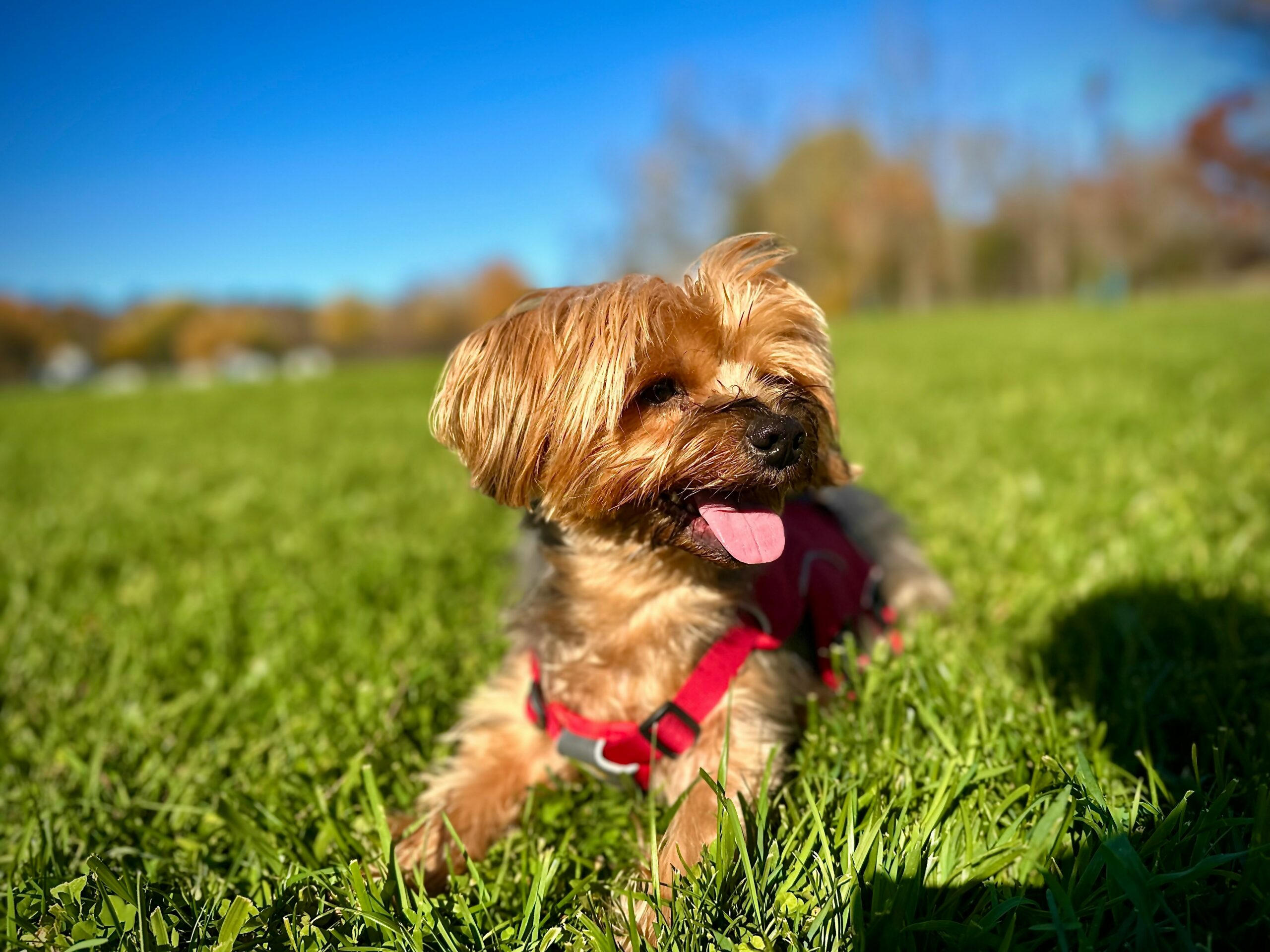
Common misinterpretations include:
❌ Assuming all tail wags = happiness
❌ Forcing interaction when dog shows avoidance
❌ Ignoring ear and eye signals
❌ Overlooking calming signals WalKeys
Understanding these mistakes helps you avoid conflict and stress.
16. Books & Resources to Learn More
If you want to go deeper, consider the following:
📘 Doggie Language: A Little Book about Dog Body Language — a clear illustrated guide to canine signals. 博客來
📗 Canine Body Language: A Photographic Guide — full of visual explanations of signals. 博客來
📕 AKC resources on canine communication are also excellent. images.akc.org
17. Final Thoughts: Learning to Listen Without Words
Yorkies don’t speak English — but they do communicate constantly.
By learning their body language — from tail wags to ear positions — you unlock a deeper emotional and behavioral understanding that strengthens your bond, improves training, and creates a harmonious life together.
The more you observe, the clearer their signals become — and the better you’ll understand what your Yorkie is truly trying to tell you.