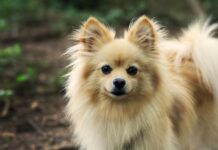
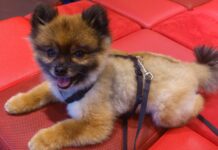
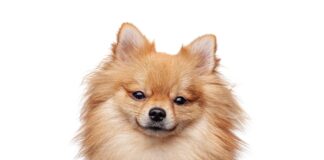
Yorkshire Terriers — affectionately called Yorkies — are one of the most beloved toy dog breeds in the world. With their cute faces, silky coats, and affectionate personalities, it’s easy to understand why. Yet anyone who has lived with a Yorkie has probably wondered at least once:
“Why does such a tiny dog act like he’s the size of a German Shepherd?”
Believe it or not, this isn’t just a funny quirk — it’s a real behavioral pattern observed in many small dog breeds, especially Yorkies. In this guide, we’ll explore:
-
The breed’s natural temperament and history
-
Why Yorkies often act “bigger than they are”
-
Psychological and evolutionary explanations
-
How owner behavior influences this phenomenon
-
What it means for training and everyday life
-
Expert tips to manage big‑dog attitudes effectively
Let’s begin by understanding the breed itself.
1. The Yorkshire Terrier’s Big Personality in a Tiny Body

Yorkshire Terriers are classified as a toy breed, typically weighing between about 4–7 pounds and standing no taller than about 7–8 inches at the shoulder. petcarerx.com
But size on paper doesn’t always translate into behavior. Many Yorkies display:
-
High confidence
-
Boldness toward other animals
-
Alert and protective behavior
-
A fearless attitude that contrasts sharply with their tiny stature PetDT
In fact, breed guides often describe them as seeming unaware of how small they truly are — ready to take on challenges that seem better suited for large breeds. petcarerx.com
This leads many owners to say things like “My Yorkie thinks she’s a Rottweiler!” — and they’re not alone. Animal behavior patterns help explain why this happens.
2. Small Dog Syndrome and “Big Dog Attitude”
One well‑documented explanation is a concept called small dog syndrome — a behavioral pattern in which small dogs act as though they are dominant or larger than they really are. That Fluffing Dog
What Is Small Dog Syndrome?
Small dog syndrome describes when tiny dogs:
-
Act bossy toward other dogs
-
Show aggression when it’s uncalled for
-
Bark excessively
-
Refuse to submit or follow commands
-
Treat themselves like the “leader of the pack”
In many cases, this happens because owners tolerate or reinforce behaviors from small dogs that they would never allow in larger breeds. That Fluffing Dog
If a big dog growls at people or other dogs, the owner might correct it immediately. But when a tiny Yorkie does the same, some owners laugh or shrug it off as “cute.” This inconsistency teaches the dog that bossy or confrontational behavior works — which reinforces it over time. BILJANA OGNENOVA
3. Historical and Evolutionary Roots
To understand this phenomenon, it helps to remember where Yorkies came from.
Yorkshire Terriers were originally bred in 19th‑century England to help control rat populations in mills and mines. They needed courage, tenacity, and fearlessness to chase and catch vermin in tight spaces. Ukr.Media
Over generations, these traits became part of the breed’s temperament:
-
Bold and alert
-
Persistent and curious
-
Quick reflexes and sharp instincts
Even though most modern Yorkies don’t work in mills anymore, their genetic makeup still reflects that fearless terrier heritage — making them confident and bold, traits that often make them act “bigger” than their actual size. Ukr.Media
4. Fear Compensation: Why Tiny Dogs May Feel the Need to Prove Themselves
Another explanation from canine behavior science is compensatory behavior, sometimes compared to the human concept of a “Napoleon complex.” ScientificOrigin
Because Yorkies are small, they may perceive themselves as vulnerable when faced with unfamiliar situations or larger dogs. To compensate for this perceived disadvantage, they may exhibit:
-
Barking at dogs much larger than them
-
Growling or snapping when startled
-
Energetic and fearless responses to perceived threats
This isn’t “aggression” in every case — it’s a survival instinct that historically helped small animals assert themselves and avoid danger. ScientificOrigin
5. Reinforcement Through Owner Behavior
A key factor shaping Yorkie behavior is the owner’s response.
Unintended Reinforcement
Many owners of small dogs tend to:
-
Coddle the dog when it gets scared
-
Pick up the dog instead of teaching coping skills
-
Laugh at demand barking
-
Allow jumping on people
These reactions can inadvertently reinforce the idea that boldness gets results, even if the dog is only 5 pounds. This is a classic behavioral reinforcement pattern — the dog repeats what gets attention or results. That Fluffing Dog
Socialization and Training Differences
Large dogs often receive structured obedience training, socialization exercises, and firm boundaries because owners are naturally more cautious of bad behavior in big breeds. But small dogs like Yorkies are sometimes exempt from consistent training — which can foster misguided confidence and entitlement. That Fluffing Dog
6. Yorkie Temperament — Loyal, Protective, and Unafraid
Breed profiles also emphasize the Yorkie’s loyal, alert, and protective nature, which contribute to their “big dog” demeanor. Dial A Vet
Despite their small size:
-
They bond strongly with their families
-
They love being involved in every household activity
-
They act as alert watchdogs and will bark at unknown sounds or strangers
These traits can amplify the impression that Yorkies behave like larger dogs, especially when they take on roles like bark alert, defender of territory, or center of attention. Dial A Vet
7. How Yorkies Interact With Other Dogs
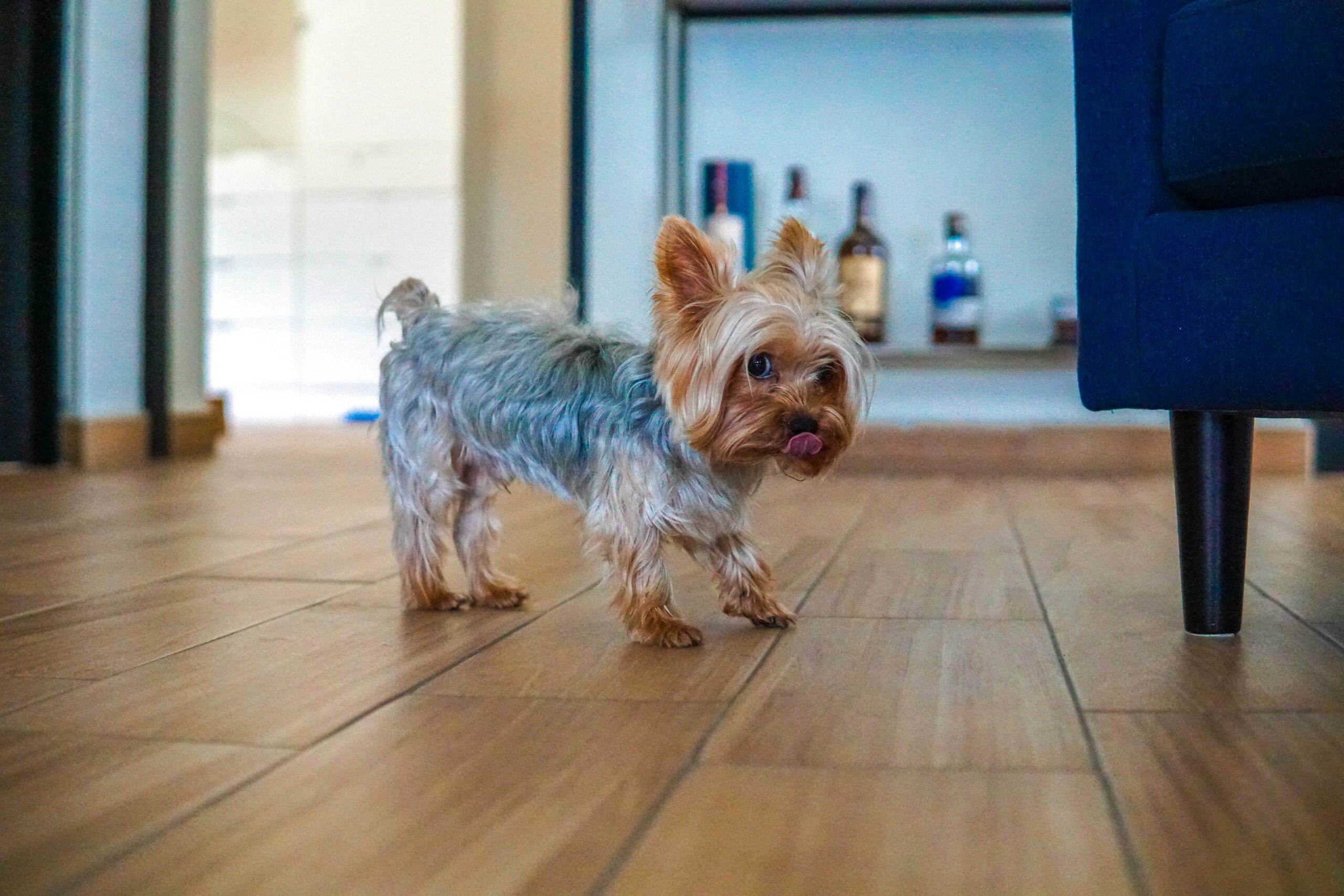
Yorkies’ interactions with other dogs can make their “big dog behavior” even more visible.
Many owners report Yorkies that:
-
Bark or growl at larger dogs
-
Try to lead play with dogs twice their size
-
Display assertive body language despite being physically small Reddit
While Reddit posts aren’t scientific sources, hundreds of real‑world experiences mirror what behavioral experts term small dog syndrome — Yorkies acting confident and unafraid around dogs that outweigh them by ten times. Reddit
8. Why Yorkies Think They’re Leaders
Yorkies often behave as if they’re the “boss” of their human pack. This can show up as:
✔ Demanding attention
✔ Jumping on furniture even when not allowed
✔ Ignoring commands that other dogs obey
✔ Reacting assertively to strangers or guests
This is not because they’re “stubborn for no reason” — but because they interpret your reactions as social cues. If owners consistently allow behaviors they wouldn’t allow in larger dogs (like jumping up or barking for attention), Yorkies learn that they are in charge. This creates a dynamic where the small dog behaves like the leader, even if unintentionally. That Fluffing Dog
9. Training Yorkies to Behave Appropriately
Understanding why Yorkies think they’re bigger helps us manage it better. Here’s how:
A. Consistent Boundaries
Treat training the same way you would with a larger breed. Firm — but gentle — boundaries teach your Yorkie respect and structure.
B. Positive Reinforcement
Reward calm, appropriate behavior instead of inadvertently rewarding bossiness or attention‑seeking.
C. Socialization From Early Age
Introduce your Yorkie to a variety of environments, dogs, and people so they learn confidence without defensiveness.
D. Don’t Coddle Fear Behavior
If your Yorkie shows fear, help them cope without picking them up or sheltering them — because overprotection reinforces fear and the need to overcompensate.
Experts note that Yorkies need clear leadership just like larger breeds — and they thrive when their owners provide it with patience and positive reinforcement. That Fluffing Dog
10. When “Big Dog” Attitude Can Cause Trouble
While some personality traits are endearing, unchecked bold behavior can lead to problems:
-
Injuries from trying to play too rough with larger dogs
-
Barking at every stimulus, creating stress for both dog and owner
-
Difficulty managing behavior around guests or strangers
The key is not to suppress your Yorkie’s confident nature, but to guide it with proper training and socialization.
11. Yorkies Are Still Dogs — Not Tiny People
Another factor in “big dog behavior” is the way some owners relate to their small dogs. According to behaviorists, when owners treat their dog as if they are more human than canine — cuddling them constantly, carrying them everywhere, or avoiding normal dog interactions — it disrupts canine social behavior learning. BILJANA OGNENOVA
This blurred social boundary between human and dog can contribute to confusion in the dog’s social hierarchy and sense of self.
12. Comparisons to Other Small Breeds
Yorkies aren’t alone. Small‑dog traits like boldness and bossiness are common across many toy breeds — including Chihuahuas, Pomeranians, and Maltese. This isn’t breed inferiority or superiority, but a convergence of behavioral traits seen in small dogs: alertness, boldness, and a tendency to compensate for size differences. ScientificOrigin
13. Why Owners Love Their Big‑Attitude Yorkies Anyway
Despite all the behavioral explanations, this is part of what makes Yorkies so charming. They are:
❤️ Confident and attentive
❤️ Protective of their family
❤️ Full of personality and surprises
❤️ Always ready for adventure — even if it’s just a walk in the park
Most Yorkie owners would say it’s these big personalities that make the breed so endearing. Let\’s Learn Slang
14. Final Thoughts: Big Attitude, Big Heart

So why do Yorkies act bigger than they are? It’s a combination of:
✔ Breed temperament and genetics — Bold terrier roots make them fearless and alert. Ukr.Media
✔ Small dog behavioral patterns — Compensating for size through feisty behavior. ScientificOrigin
✔ Owner treatment influences — Reinforcement and socialization shape behavior. That Fluffing Dog
✔ Personality expression — Yorkies simply don’t act like their small size limits them. Let\’s Learn Slang
These qualities are part of what makes Yorkies unique — and why so many dog lovers adore them despite (or because of) their big‑dog attitudes.
With consistent training, proper socialization, and clear leadership, your tiny Yorkie can enjoy being a confident, well‑behaved companion — without having to really be big at all.
Sources & Further Reading
Here are the most informative resources referenced in this article:
-
Overview of Yorkie personality and size facts — PetCareRx petcarerx.com
-
Yorkies’ bold temperament and “little man syndrome” — PetDT PetDT
-
Small dog syndrome and its behavioral roots — ThatFluffingDog.com That Fluffing Dog
-
Why small dogs may act feistier — ScientificOrigin.com ScientificOrigin
-
Tiny size yet big personality traits — LetsLearnSlang.com Let\’s Learn Slang
-
Breed temperament details and history — Ukr.Media Ukr.Media
-
General Yorkie behavioral context — OodleLife oodlelife.com