Training a Labrador Retriever can be one of the most rewarding experiences for any dog owner — but it’s also one that requires strategy, consistency, and understanding how Labs learn best. Whether you’re prepping a playful puppy or polishing up an adult dog’s manners, this guide gives you proven training tips backed by expert advice and practical examples you can start using today.
Throughout this article you’ll find links to sources of information on the text so you can verify facts and dive deeper into specific techniques.
1. Understanding Your Labrador’s Nature
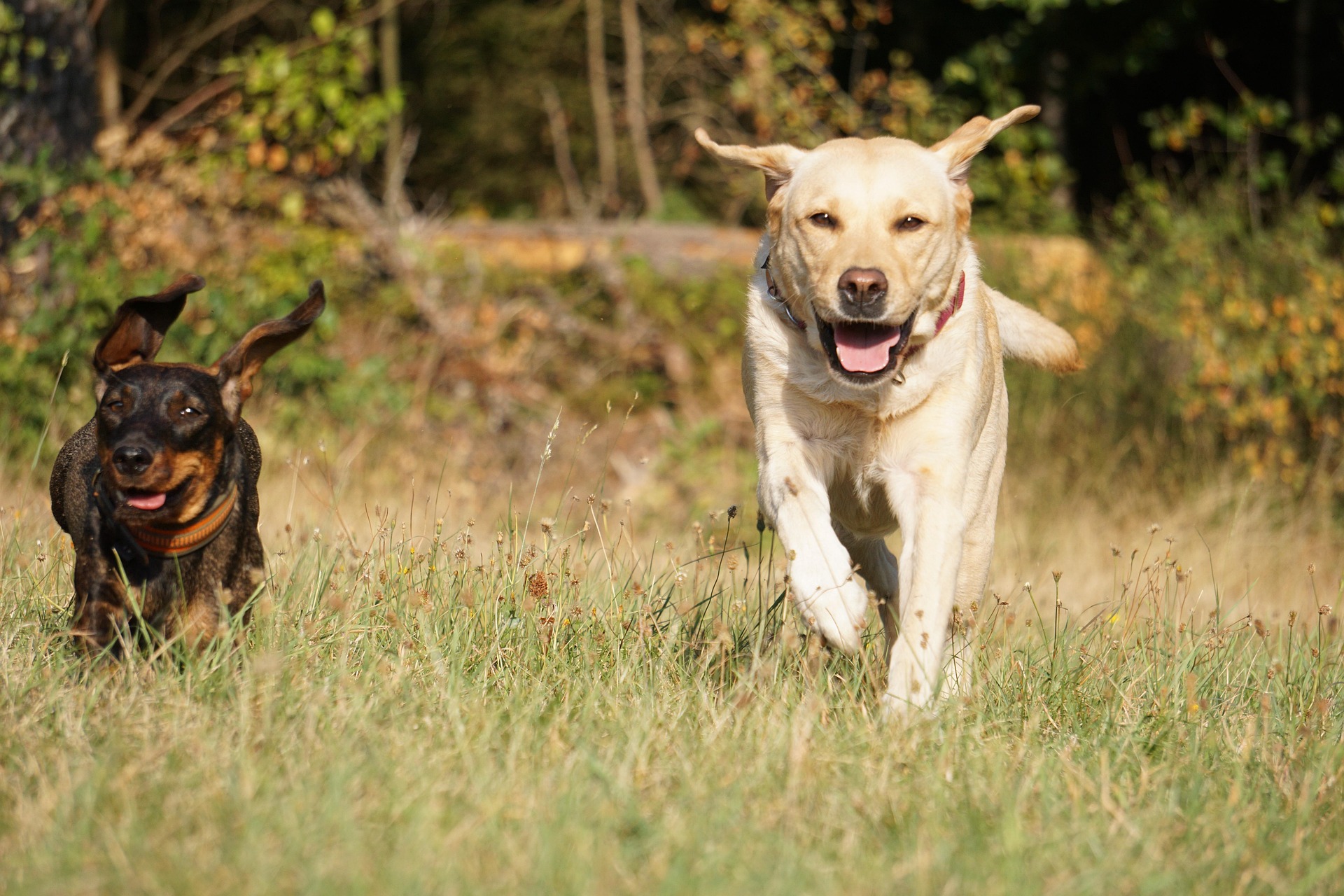
Before diving into training, it’s important to understand why Labradors are such trainable dogs:
-
Eager to please: Labs are bred to work closely with people, which makes them naturally responsive to guidance.
-
Food motivated: Most Labs will work hard for treats, making positive reinforcement especially effective.
-
Energetic and intelligent: They thrive on both physical and mental engagement, so training must be consistent and stimulating. Animal Lovers+1
Knowing these traits helps shape how you train — emphasizing reward, engagement, and gradual learning.
2. Positive Reinforcement: The Foundation of Effective Training
One universal truth across Labrador training experts is this:
Positive reinforcement works best. Reward good behavior rather than punish mistakes. Animal Lovers
What Positive Reinforcement Looks Like
✔ Treats
✔ Praise and happy voice tones
✔ Playtime as a reward
✔ Favorite toys
For example, when your Lab sits on command, immediately reward with a treat and praise — this makes the connection clear. Timing matters: giving the reward within a couple of seconds of the correct behavior ensures your dog understands why they’re being rewarded. Pet Dog Planet
Why this works: Dogs learn through association — when good actions bring rewards, they repeat those behaviors.
3. Keep Training Sessions Short and Fun
Labradors are intelligent but can get bored if training goes too long. Short, consistent sessions are far more effective than marathon classes.
Best Practices:
-
5–10 minutes per session — Labs learn faster in short bursts. Pet Dog Planet
-
Repeat daily — consistency builds habits. jasonrsykes.com
-
Mix in games — training doesn’t have to be all sit/stay; making it fun keeps Labs engaged. Labrador-Owners.co.uk
Labs respond especially well when sessions feel like playtime — praise, laughs, and movement keep them focused and happy.
4. Be Consistent With Commands and Expectations
Using consistent words and gestures helps your Labrador understand exactly what you want.
-
Say “sit” every time instead of switching to “sit down.”
-
Use the same hand signal to complement verbal commands.
-
Have all family members use the same commands to avoid confusion. Off Leash K9 Training of Spokane
This uniformity allows your dog to build stronger associations — and reach training goals faster.
5. Build a Routine With Regular Practice
Labradors thrive on routine. Having a structured training schedule helps them learn expectations quickly:
-
Morning obedience practice
-
A midday socialization walk
-
Evening recall or leash work
Building these consistent routines around training helps Labs anticipate learning moments and reduces anxiety. Off Leash K9 Training of Spokane
6. Teach the Basics First: Sit, Stay, Come
Before you worry about advanced tricks, master the fundamentals:
Sit
Use a treat to lure your dog’s nose up and backwards, which naturally sends their rear to the ground. Reward immediately when they sit. Wagr Petcare
Stay
Once your Lab sits reliably, introduce “stay” with a short distance, then reward calm obedience. Gradually increase the distance and duration. Wagr Petcare
Come
A reliable recall keeps your dog safe. Start inside with no distractions, then progressively practice outdoors. Always reward your Lab when they return, even if they took their time. Wagr Petcare
These basics are the backbone of good behavior — and every advanced command builds from them.
7. Socialization: A Must From Early On

A well-socialized Labrador is a confident and pleasant companion. Introduce your Lab to:
✔ People of all ages
✔ Other dogs and pets
✔ Environments like parks, sidewalks, and stores
✔ Sounds like traffic, doorbells, and crowds
Positive early social exposure helps Labs become adaptable and calm in different situations. Labrador-Owners.co.uk
Labs that aren’t socialized can develop fear or reactive behavior — so starting early helps prevent future challenges.
8. Handling High Energy the Right Way
Labradors are known for their energy. Without an outlet for that energy, they can:
✔ Become bored
✔ Chew furniture
✔ Bark excessively
✔ Ignore commands dogingtonpost.com
Combat Boredom With:
-
Daily walks
-
Fetch games (they are natural retrievers)
-
Swimming sessions (many Labs love water)
-
Nose and puzzle work for mental engagement dogingtonpost.com
Physical activity helps your Lab focus during training and improves overall obedience.
9. Avoid These Common Training Mistakes
❌ Inconsistent Timing
If you reward too late, your dog won’t connect the behavior with the treat. Immediate rewards build clear associations. Pet Dog Planet
❌ Punishment or Scolding
Harsh punishment can confuse your Lab or make them fearful of training — and Labs respond much better to positive methods. thegoodypet.com
❌ Training in Distracting Environments Too Soon
Start with a quiet, low-distraction space. Once commands are reliable, slowly introduce distractions. Wagr Petcare
Training should build confidence, not stress your dog.
10. Leash Training: Key to Stress-Free Walks
Walking politely on a leash is essential — and it’s something Labs must be trained for because of their size and strength. Wagr Petcare
Steps for Leash Success
-
Use a comfortable collar or harness
-
Reward your Lab for walking beside you
-
Stop moving if they pull, and only continue when they relax
-
Practice frequently and outside as skills improve Wagr Petcare
Teaching good leash manners early prevents pulling and makes walks enjoyable for both of you.
11. Addressing Problem Behaviors With Training
Chewing and Biting
Labs love to chew, especially as puppies. Provide appropriate chew toys and redirect unwanted chewing — but never use punishment for chewing mistakes. thegoodypet.com
Jumping Up
Teach your Lab to sit when greeting people, not jump. Reward calm greetings with attention and treats. Labrador-Owners.co.uk
Recall Problems
If your Lab doesn’t come when called, reduce distractions and practice recall in short bursts — rewarding the desired return. Wagr Petcare
12. Leverage Clicker and Marker Training
Using a clicker or event marker helps your Labrador know the exact moment they did something right. This clarity speeds up learning, especially for precise behaviors. thegoodypet.com
Start by clicking then treating for simple actions. Once the dog understands the marker, you can shape more complex behaviors efficiently.
13. Training With Purpose: Beyond Sit and Stay
Labradors are incredibly capable — smarter trainers know that training shouldn’t stop at the basics. You can teach:
✔ Fetch with a purpose (retrieve games)
✔ Tricks like spin, shake, or roll over
✔ Agility behaviors
✔ Service or working tasks for specific roles Labrador-Owners.co.uk
Advanced training keeps your Lab mentally stimulated and reinforces a strong bond.
14. Persistence Pays Off
Training is a marathon, not a sprint. Most Labs won’t master everything immediately — progress takes time, patience, and repetition. jasonrsykes.com
Practice regularly, celebrate small wins, and adjust your approach when something isn’t working. A positive attitude helps both you and your Lab enjoy the process.
15. Training Labradors at Different Life Stages
Puppies
Bullet-point essentials:
✔ Short sessions (5–10 minutes)
✔ Frequent potty training
✔ Socializing early
✔ Basic obedience foundation Hepper Pet Resources
Adolescence
Labs often go through a “teenager” phase around 4–12 months where they may test boundaries — more repetitive training and consistency help them grow out of this phase. (Owner experiences reflect patience is critical.) Reddit
Adults
Once adults, Labs are usually eager learners but still need mental stimulation to prevent boredom and maintain good manners. Labrador-Owners.co.uk
16. Training Tools That Help

Treat Bags
Keep favorite treats ready for quick rewards.
Clickers
Marking desired behaviors precisely accelerates learning. thegoodypet.com
Interactive Toys
Use these for puzzle and nose work training. dogingtonpost.com
Leashes and Harnesses
A comfortable harness gives better control during walks and leash training. Wagr Petcare
17. When to Seek Professional Help
If your Lab struggles with fear, aggression, or severe distraction, consider a professional dog trainer or obedience class. These experts tailor techniques to your dog’s personality and specific challenges. (Owners often recommend professional classes, and vets can suggest trainers.) Reddit
18. Final Thoughts — Training for a Happy, Well-Behaved Lab
Labrador Retriever training isn’t about enforcing submission — it’s about building communication, trust, and consistent habits that make daily life easier and more joyful for both you and your dog. With patience, clear commands, short sessions, and plenty of reward-based reinforcement, your Lab can learn basic manners and advanced skills that make them a beloved and well-behaved companion.