





Keeping your cat’s claws well-trimmed is an essential part of their grooming routine. Regular claw trimming prevents painful overgrowth, reduces the risk of scratches, and protects furniture from damage. While some cats naturally wear down their claws, others need occasional trims to maintain their health and comfort.
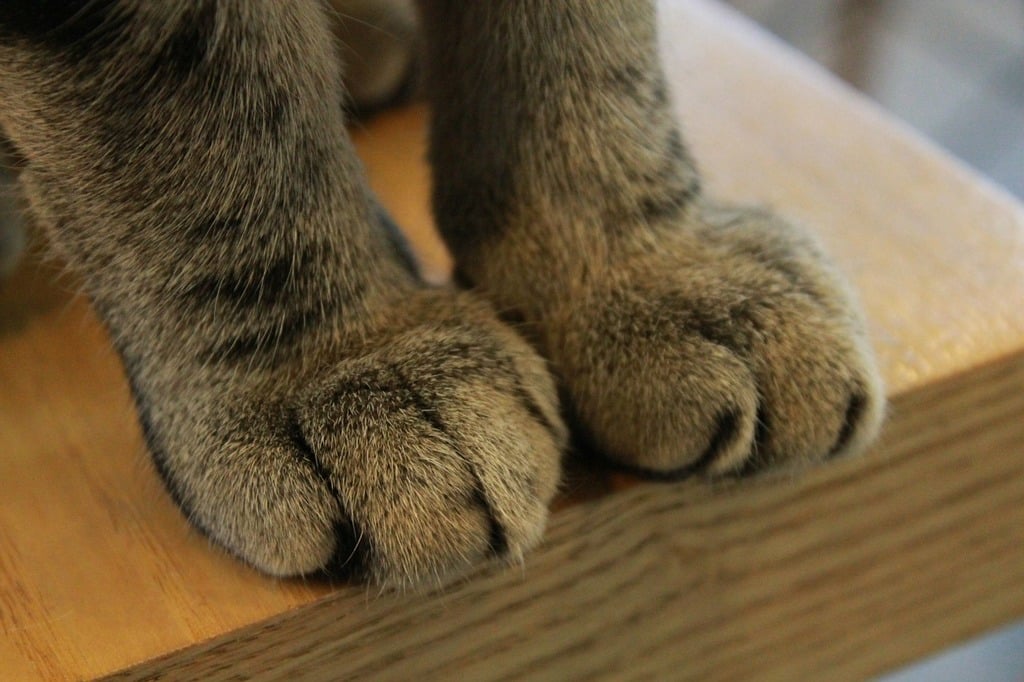
In this detailed guide, you’ll learn why claw trimming is important, how to prepare, step-by-step trimming techniques, and tips for making the experience stress-free for both you and your cat.
1. Why Is It Important to Trim a Cat’s Claws?
Cats use their claws for climbing, scratching, hunting, and self-defense. However, if left untrimmed, their claws can become too long, leading to problems such as:
- Painful Overgrowth: Overgrown claws can curl into a cat’s paw pads, causing discomfort and infections.
- Accidental Scratches: Long claws can lead to unintentional scratches, especially during playtime.
- Furniture and Carpet Damage: Cats instinctively scratch surfaces to shed old claw layers and mark territory.
- Difficulty Walking: Cats with excessively long claws may struggle to walk comfortably on hard surfaces.
By trimming your cat’s claws regularly, you promote their health and reduce household damage.
2. How Often Should You Trim Your Cat’s Claws?
Most cats need a claw trim every 2 to 4 weeks. However, the frequency depends on several factors:
✅ Indoor Cats: Since they have fewer surfaces to wear down their claws, they often need more frequent trimming.
✅ Outdoor Cats: Their claws naturally wear down through climbing and scratching, so trims may not be needed as often.
✅ Kittens: They have sharp, fast-growing claws that may need trimming every 1-2 weeks.
✅ Senior Cats: As they age, their claws become more brittle and prone to overgrowth, requiring regular attention.
Observing your cat’s behavior and checking their claws frequently will help determine when a trim is necessary.
3. What You Need to Trim Your Cat’s Claws
Before you start trimming, gather the necessary tools:
🔹 Cat Nail Clippers – Available in different styles:
- Guillotine-style clippers: Ideal for beginners, offering precise cuts.
- Scissor-style clippers: Better for thicker claws.
- Electric grinders: A gentle alternative for smoothing rough edges.
🔹 Styptic Powder or Pencil – Helps stop bleeding in case of accidental over-trimming.
🔹 Towel or Blanket – Useful for gently restraining nervous cats.
🔹 Cat Treats – Rewarding your cat encourages positive associations with claw trimming.
🔹 Good Lighting – Ensures you can see the claw’s structure clearly to avoid cutting too deep.
Having everything prepared reduces stress for both you and your cat during the process.
4. How to Trim Your Cat’s Claws: Step-by-Step Guide
Step 1: Get Your Cat Comfortable
- Choose a quiet, well-lit room where your cat feels safe.
- Let your cat sniff the clippers and get familiar with them.
- Offer a treat or pet your cat to keep them relaxed.
Step 2: Gently Hold the Paw
- Pick up one of your cat’s front paws and gently press the pad to extend the claws.
- Speak softly to reassure your cat.
- If your cat pulls away, wait a moment before trying again.
Step 3: Identify the Quick
- The quick is the pink area inside the claw that contains nerves and blood vessels.
- Only trim the sharp, translucent tip—cutting into the quick will cause pain and bleeding.
- If your cat has dark claws, trim small amounts at a time to avoid cutting too deep.
Step 4: Trim the Claws
- Hold the clipper at a 45-degree angle and make quick, clean cuts.
- Trim only 1-2 mm at a time to avoid cutting into the quick.
- If your cat becomes anxious, stop and try again later.
Step 5: Smooth Any Rough Edges
- If needed, use a nail file or grinder to smooth out any sharp edges.
Step 6: Reward and Praise
- Give your cat a treat and affection after trimming to create a positive experience.
- Gradually increase the number of claws trimmed in each session until your cat gets used to it.
5. What to Do If Your Cat Resists Claw Trimming
Some cats dislike having their claws trimmed, but these strategies can help:
A. Use the Right Restraint Technique
- Towel Wrap: If your cat is wiggly, gently wrap them in a towel, leaving one paw exposed at a time.
- Lap Position: Place your cat on your lap and hold their paw firmly but gently.
B. Trim in Short Sessions
- Start with one or two claws per session and gradually increase over time.
- If your cat gets restless, take a break and try again later.
C. Pair Claw Trimming with Positive Reinforcement
- Give treats and praise after each successful trim.
- Try trimming when your cat is sleepy or relaxed, such as after eating.
D. Use a Grinder Instead of Clippers
Some cats tolerate nail grinders better than clippers since they provide a gradual, smoother trim.
6. What to Do If You Accidentally Cut the Quick
If you accidentally cut into the quick, your cat’s claw may bleed. Here’s what to do:
- Stay calm – Cats sense stress, so keep a soothing tone.
- Apply styptic powder or cornstarch to stop the bleeding.
- Gently press a clean tissue or cotton ball against the claw.
- Monitor for discomfort – If bleeding persists, consult your veterinarian.
Cats may react by pulling away or meowing, but the pain is temporary. Take a break before continuing to keep your cat comfortable.
7. Alternative Ways to Manage Claw Growth
If trimming is too stressful for your cat, consider alternative options:
✔️ Scratching Posts: Provide multiple scratching surfaces like sisal, cardboard, and wood to help naturally wear down claws.
✔️ Soft Claw Caps: These small rubber covers prevent damage while allowing normal claw movement.
✔️ Professional Grooming: If trimming is too challenging, a veterinarian or groomer can help.
8. Frequently Asked Questions (FAQs)
Q1: Can I use human nail clippers on my cat?
Yes, but cat-specific clippers are designed for precise, clean cuts and are recommended.
Q2: How do I know if my cat’s claws are too long?
If you hear clicking sounds when your cat walks or if claws curve towards the paw pads, they need trimming.
Q3: What should I do if my cat refuses to let me trim their claws?
Try trimming while your cat is relaxed, use treats, and trim only one claw at a time. If needed, consult a veterinarian or professional groomer.
Q4: Do declawed cats need their paws trimmed?
Declawing is not recommended, but if a cat has had this procedure, regular paw care is still important to prevent discomfort.
Q5: Can I train a kitten to tolerate claw trims?
Yes! Start trimming as early as possible and use positive reinforcement to help kittens adjust.
Final Thoughts
Trimming your cat’s claws is an essential part of pet care. With patience, the right tools, and gentle handling, you can make the experience easier for both you and your feline companion.
Key Takeaways:
✅ Trim every 2-4 weeks to prevent overgrowth.
✅ Use cat-specific clippers and positive reinforcement.
✅ Avoid the quick to prevent bleeding.
✅ If your cat resists, trim in short sessions or seek professional help.
With regular trimming, your cat will stay comfortable, happy, and healthy—and your furniture will thank you! 🐱✂️















