Rats are incredibly intelligent and social animals, and with the right training, they can learn a variety of behaviors, including using your hands for interaction. Training a rat to use your hands effectively not only strengthens your bond with your pet, but it also provides them with essential mental stimulation and exercise. In this article, we will explore the process of training your pet rat to use your hands, from the basics of building trust to specific techniques and tips to ensure success.
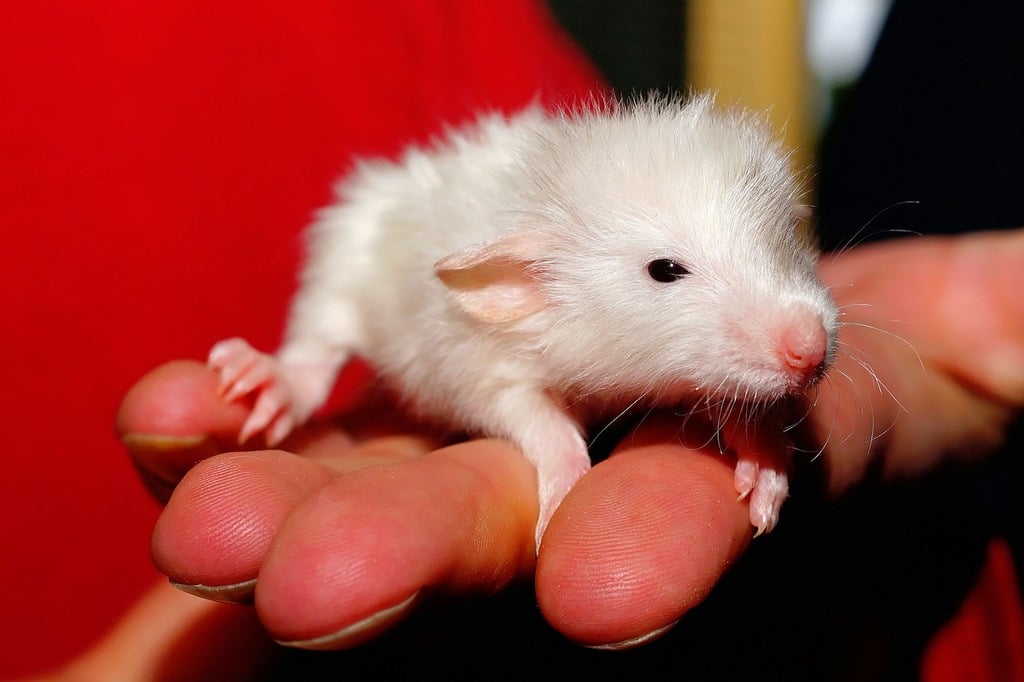
1. Understanding Rats: The Basics of Their Intelligence
Before delving into the training process, it’s important to understand that rats are naturally curious and social creatures. In fact, rats have been shown to possess cognitive abilities comparable to those of some primates, such as the ability to navigate mazes, solve puzzles, and even recognize their owners. This makes rats highly trainable animals, as they are quick to learn new behaviors when approached with patience and positive reinforcement.
When it comes to training rats, consistency, patience, and repetition are key. By focusing on building a relationship based on trust and positive experiences, you can teach your rat to comfortably interact with your hands in various ways.
2. Building Trust: The Foundation of Training
The first step in training your rat to use your hands is to build trust. Just like any animal, rats need to feel safe and comfortable in their environment, especially when it involves interacting with their human companions. The process of building trust can take time, so it’s essential to be patient and gentle with your rat. Here’s how to get started:
A. Create a Safe and Comfortable Environment
Ensure your rat has a suitable living space that is clean, quiet, and free from distractions. A comfortable habitat helps your rat feel secure and will make them more willing to approach you and interact with you during training sessions.
B. Spend Quality Time with Your Rat
Spend time sitting near your rat’s enclosure, allowing them to observe you and get used to your presence. Over time, you can start to gently speak to your rat to create a calming atmosphere.
C. Hand Feeding
One of the most effective ways to build trust with your rat is through hand feeding. Offer your rat small treats from your hand to encourage positive associations with your touch. This can help your rat feel more comfortable being near your hands and will lay the groundwork for further training.
3. The Basics of Handling Your Rat
Before diving into more advanced hand interactions, it’s important to get your rat accustomed to the act of being handled. Here are some simple steps to help your rat feel more comfortable with being touched and picked up:
A. Gently Lure Your Rat onto Your Hand
Start by extending your hand slowly into your rat’s cage, palm facing up. Use a treat to lure them onto your hand. When your rat steps onto your hand, gently allow them to explore your fingers and palm. Gradually, you can start to lift your rat slightly off the ground to help them become accustomed to being held.
B. Practice Handling Sessions
Engage in short, regular sessions where you handle your rat gently. Avoid sudden movements or jerking actions that could startle or frighten your rat. The goal is to create a positive, stress-free experience every time your rat interacts with your hands.
C. Reinforce with Positive Feedback
Always reward your rat with praise or a small treat when they calmly interact with your hands. This positive reinforcement will help your rat associate your hands with something pleasant, making it more likely that they’ll engage willingly in future training.
4. Training Your Rat to Use Your Hands: Step-by-Step Techniques
Once your rat is comfortable with being handled, you can begin training them to use your hands in specific ways. Here are a few techniques you can use to encourage your rat to use your hands for various purposes.
A. The “Come Here” Command
Teaching your rat to approach your hand on command can be a helpful skill, especially when you want them to interact with you during playtime or training sessions.
- Get their attention by holding a treat near your hand.
- Use a verbal cue such as “come here” or a clicker sound when they move toward your hand.
- Reward them with the treat when they touch or climb onto your hand.
- Repeat the process consistently until your rat starts associating the command with moving toward your hand.
With time, your rat will learn to respond to the “come here” command and use your hand as a safe space to approach.
B. Teaching Your Rat to Climb onto Your Hand
Getting your rat to climb onto your hand on their own is another useful skill. It can be helpful for getting them out of their cage or into a new area for play.
- Position your hand near the rat’s body, palm facing up.
- Encourage them to climb by placing a treat near your hand. You can also gently tap your hand or use your fingers to help them onto your hand.
- Reward them with a treat when they make contact with your hand.
- Practice this consistently, gradually increasing the distance your rat must climb to reach your hand.
With practice, your rat will learn to use your hand as a platform to climb on, and they’ll do it willingly during your training sessions.
C. The “Lift and Hold” Technique
Training your rat to be comfortable with being lifted and held can be an important skill, especially if you plan on handling your pet frequently.
- Place your hand beneath your rat’s belly, supporting their body gently.
- Lift them up slowly and avoid jerking motions. Be sure to keep their body supported at all times.
- Reward your rat with a treat and praise when they remain calm during the lift.
- Gradually increase the duration of the lift as your rat becomes more comfortable with the process.
As your rat becomes more accustomed to being held, you can introduce new variations, such as holding them in different positions or walking around while holding them.
5. Advanced Training: Teaching Complex Behaviors
Once your rat has mastered basic hand interactions, you can work on more advanced tricks or behaviors. Some popular behaviors to teach rats using your hands include:
- Targeting: Teach your rat to touch their nose to a specific spot on your hand.
- Jumping onto your hand: You can train your rat to jump onto your hand from a small distance.
- Fetch: Train your rat to retrieve a small object and bring it back to your hand.
Each of these advanced tricks can be taught using the same principles of positive reinforcement and repetition. Start slowly, reward your rat frequently, and gradually increase the difficulty of the task.
6. Common Challenges and Troubleshooting
Training a rat can come with its challenges, especially if your rat is not responding as quickly as you would like. Here are a few common problems and solutions:
- Your rat is fearful of your hands: If your rat is hesitant to use your hands, go back to the basics of building trust. Spend more time hand-feeding and offering treats to help them associate your hands with something positive.
- Your rat gets distracted: If your rat seems distracted during training, try moving to a quieter environment or using higher-value treats to keep their attention focused.
- Your rat isn’t responding to commands: Be patient. Rats can take time to learn new behaviors, so keep practicing consistently and use positive reinforcement to encourage the desired behavior.
7. Conclusion: The Reward of Training Your Rat
Training your rat to use your hands can be a rewarding experience for both you and your pet. Through patience, consistency, and positive reinforcement, your rat can learn a variety of useful behaviors that strengthen your bond and improve their overall well-being. Whether you’re training your rat to climb onto your hand or teaching them advanced tricks, the process of training your pet provides essential mental stimulation, which is just as important as physical exercise for a happy and healthy rat.
Remember, always proceed at your rat’s pace, and don’t forget to celebrate their successes—no matter how small. Happy training!