As temperatures rise during the summer months, animals—both pets and wildlife—face significant risks from heat exposure. High temperatures can lead to dehydration, heat exhaustion, and even life-threatening heatstroke. Whether you have pets at home, care for livestock, or want to help wildlife, there are numerous ways to protect animals from extreme heat.
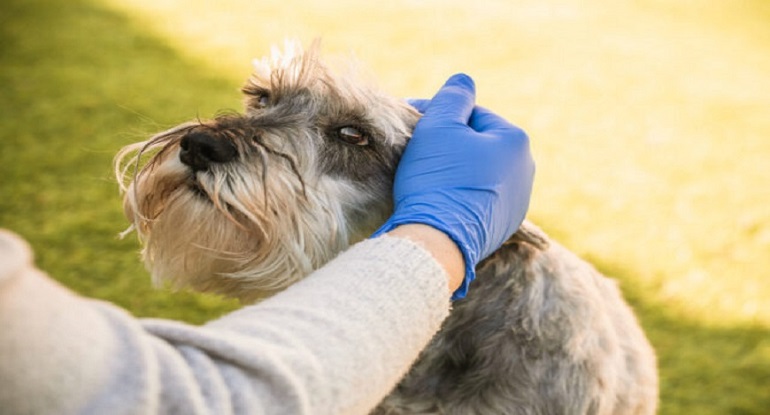
In this detailed guide, we will explore various strategies to help animals stay safe, hydrated, and comfortable during hot weather.
1. Understanding How Heat Affects Animals
Different animals react to heat in various ways, and some are more vulnerable than others.
Animals at High Risk in Hot Weather
- Dogs and Cats: Especially breeds with thick fur or short snouts (e.g., Pugs, Bulldogs, and Persian cats).
- Rabbits and Small Rodents: Their small bodies overheat quickly.
- Birds: Struggle with extreme temperatures, particularly if they lack access to shade or water.
- Livestock (Cows, Horses, Sheep, Goats, and Pigs): Large animals require plenty of water and shaded areas.
- Wildlife: Many wild animals face habitat loss, making it harder for them to find cool shelter and water.
Signs of Heat Stress in Animals
- Excessive panting
- Lethargy or weakness
- Drooling (in pets)
- Loss of appetite
- Rapid breathing
- Unusual behavior (such as confusion or unresponsiveness)
Recognizing these signs early is crucial to preventing serious health problems.
2. How to Help Pets Stay Cool
Pets rely on their owners to keep them safe from the dangers of excessive heat.
Provide Plenty of Water
- Always ensure your pets have access to fresh, cool water throughout the day.
- Use multiple water bowls in different locations.
- Place ice cubes in their water to help keep it cool.
Create a Cool Living Environment
- Keep pets indoors during the hottest parts of the day.
- Use fans or air conditioning to maintain a comfortable temperature.
- Provide a cool surface, such as tile floors, for them to lie on.
Adjust Exercise Routines
- Walk dogs early in the morning or late in the evening when temperatures are lower.
- Avoid hot pavement, which can burn paw pads—test the pavement by touching it with your hand for a few seconds.
- Reduce intense physical activity during extreme heat.
Use Cooling Accessories
- Cooling mats or cooling vests can help regulate body temperature.
- Lightly dampen a towel with cool water and place it on your pet.
- Set up a kiddie pool in a shaded area for dogs to splash in.
Never Leave Pets in a Parked Car
- Even with the windows cracked, temperatures inside a car can soar above 100°F (38°C) in minutes.
- If you must travel with a pet, ensure the vehicle is well-ventilated and air-conditioned.
3. How to Help Livestock and Farm Animals
Farm animals are particularly vulnerable to heat, especially when they are in direct sunlight for long periods.
Ensure Access to Shade and Shelter
- Provide natural shade from trees or build shelters with good airflow.
- Keep barns and stalls well-ventilated with fans or misting systems.
Increase Water Supply
- Livestock should always have unlimited access to clean, cool water.
- Place extra water troughs in different locations.
- Regularly check and refill water containers throughout the day.
Adjust Feeding Schedules
- Offer feed during the cooler parts of the day (morning and evening).
- Avoid high-energy foods that increase body heat during digestion.
Provide Cooling Methods
- Spray livestock with cool (not ice-cold) water to lower body temperature.
- Use misters or sprinklers in shaded areas to reduce heat stress.
4. Helping Wildlife in Hot Weather
Wild animals also suffer in extreme heat, especially in urban areas where water sources are limited.
Leave Out Water Sources
- Place shallow bowls of fresh water in shaded locations for birds, squirrels, and other small animals.
- Add rocks or sticks to the water so insects and small animals can escape if they fall in.
Create Shaded Resting Areas
- Plant trees and shrubs to provide natural shade.
- Place small wooden shelters in gardens or open spaces.
Avoid Using Pesticides
- Many chemicals can contaminate water sources and harm wildlife.
- Instead, use natural repellents or eco-friendly pest control methods.
Help Overheated Animals
If you find a wild animal showing signs of heat stress:
- Move it to a shady, cool area.
- Offer water but do not force it to drink.
- Contact wildlife rescue organizations if the animal appears injured or weak.
5. Special Considerations for Birds and Small Pets
Birds and small pets like rabbits, guinea pigs, and hamsters require extra care in the heat.
For Pet Birds:
- Keep cages away from direct sunlight and ensure good airflow.
- Mist them lightly with cool water to help them regulate body temperature.
- Offer fresh fruits and vegetables with high water content (e.g., cucumbers, melons).
For Rabbits and Rodents:
- Keep their enclosures in a cool, shaded area.
- Use ceramic tiles for them to lie on.
- Place frozen water bottles in their habitat to provide a cooling effect.
6. What to Do If an Animal Shows Signs of Heatstroke
If an animal shows symptoms of heatstroke, act quickly:
Emergency Steps:
- Move the animal to a cool, shaded area immediately.
- Offer small sips of cool water (not ice-cold).
- Use a damp towel to gently cool their body, focusing on paws, ears, and belly.
- Do not submerge the animal in cold water—this can cause shock.
- Seek immediate veterinary care for pets or livestock showing severe symptoms.
7. Educating Others and Spreading Awareness
Helping animals in hot weather is not just a personal responsibility—it’s important to educate others as well.
Ways to Help Spread Awareness:
- Share information with friends, family, and neighbors.
- Support local animal shelters by donating supplies like water bowls and fans.
- Advocate for better animal protection laws in extreme weather conditions.
By working together, we can help ensure that all animals—pets, livestock, and wildlife—stay safe and healthy in hot weather.
Conclusion
Heatwaves and high temperatures can be dangerous for animals, but with proper precautions, we can minimize their risks. Providing water, shade, and ventilation is essential, as is recognizing the signs of heat stress. Whether you are caring for pets, livestock, or wildlife, simple actions can make a significant difference in their well-being.
By staying informed and proactive, you can help protect animals from the dangers of extreme heat and ensure they stay happy and healthy all summer long.