As the cold weather rolls in, it’s important to keep your dog’s paws in top condition. Winter can bring unique challenges for your furry friend, including icy roads, snow, and cold temperatures, all of which can have a detrimental impact on their paws. Whether your dog enjoys long winter walks or just goes outside for bathroom breaks, taking the time to properly care for their paws will ensure they stay healthy, comfortable, and happy throughout the season.
In this article, we’ll explore why dog paw care is crucial during the winter months, common paw problems that occur in cold weather, and how you can protect and treat your dog’s paws to keep them in great condition.
Why Winter Paw Care Matters for Dogs
Your dog’s paws are the foundation of their mobility, and they work hard every day to support their weight and allow them to walk, run, and play. During the winter months, however, their paws face additional challenges due to the harsh conditions outside. Cold, icy, and salty environments can cause pain, irritation, and potential injury to your dog’s paws if proper care is not taken.
There are several reasons why winter paw care is essential:
- Exposure to Harsh Elements: Snow, ice, salt, and freezing temperatures can dry out or crack your dog’s paw pads, leading to painful injuries. The cold can also cause frostbite in severe cases.
- Irritation from Salt and Chemicals: Many roads and sidewalks are treated with rock salt or other de-icing chemicals to melt snow and ice. These substances can cause irritation, cracking, and burning of your dog’s paws.
- Paw Pad Damage from Ice and Snow: Ice can get lodged between your dog’s paw pads, leading to discomfort and potential damage. Snow can also form ice balls that cling to your dog’s fur and paws, causing irritation and difficulty walking.
- Infections and Sores: Cuts, cracks, or abrasions on the paw pads can open the door for bacterial or fungal infections. If left untreated, these infections can become serious and require medical attention.
Taking the time to properly care for your dog’s paws during the winter is critical for their health, safety, and overall comfort.
Common Paw Problems in Winter
Before we dive into the solutions, it’s important to understand the potential issues your dog’s paws may face during the winter months.
- Cracked or Dry Paw Pads: The cold weather and exposure to harsh elements can cause your dog’s paw pads to become dry and cracked. This can lead to discomfort, bleeding, and painful walking.
- Ice Balls Between Toes: After a snowy walk, ice balls can form between your dog’s paw pads. These compacted clumps of snow and ice can cause pain and make it difficult for your dog to walk properly.
- Burns from Salt: The salt used on roads and sidewalks to melt ice can be extremely irritating to your dog’s paws. The salt can cause burns and irritation, leading to redness, swelling, or even open sores on the paw pads.
- Frostbite: In extremely cold temperatures, your dog’s paws are at risk of frostbite, especially if they spend long periods of time outside. Frostbite can cause the skin on the paws to become pale, hard, and even blackened, which can lead to permanent tissue damage.
- Paw Infections: The combination of cold, wet, and salty conditions can create an environment for bacterial or fungal infections to develop on your dog’s paws, particularly if they have any cuts or abrasions.
Now that we understand the risks to your dog’s paws, let’s look at the steps you can take to protect and care for them.
How to Care for Your Dog’s Paws in Winter
1. Keep Your Dog’s Paws Clean and Dry
After every walk, it’s important to thoroughly clean your dog’s paws to remove any snow, ice, salt, or chemicals they may have come into contact with. Use a damp cloth or pet-safe wipes to gently wipe down the paw pads, toes, and the space between their toes. Dry their paws thoroughly with a clean towel, as moisture left on their paws can lead to irritation, infection, and discomfort.
If your dog has long fur around their paws, be sure to trim the fur to prevent snowballs from forming. Ice can easily get trapped in long fur, causing your dog’s paws to become painful and difficult to walk on.
2. Use Paw Balm or Wax
To protect your dog’s paw pads from becoming dry or cracked, consider using a dog-safe paw balm or wax. These products are designed to create a barrier on the paw pads, preventing the cold and salt from causing damage. They also help to lock in moisture and keep the paw pads soft and supple.
Apply the balm or wax to your dog’s paw pads before going outside in cold weather. Make sure to use a product that is specifically formulated for dogs, as some human balms may contain ingredients that are toxic to pets.
3. Consider Dog Booties
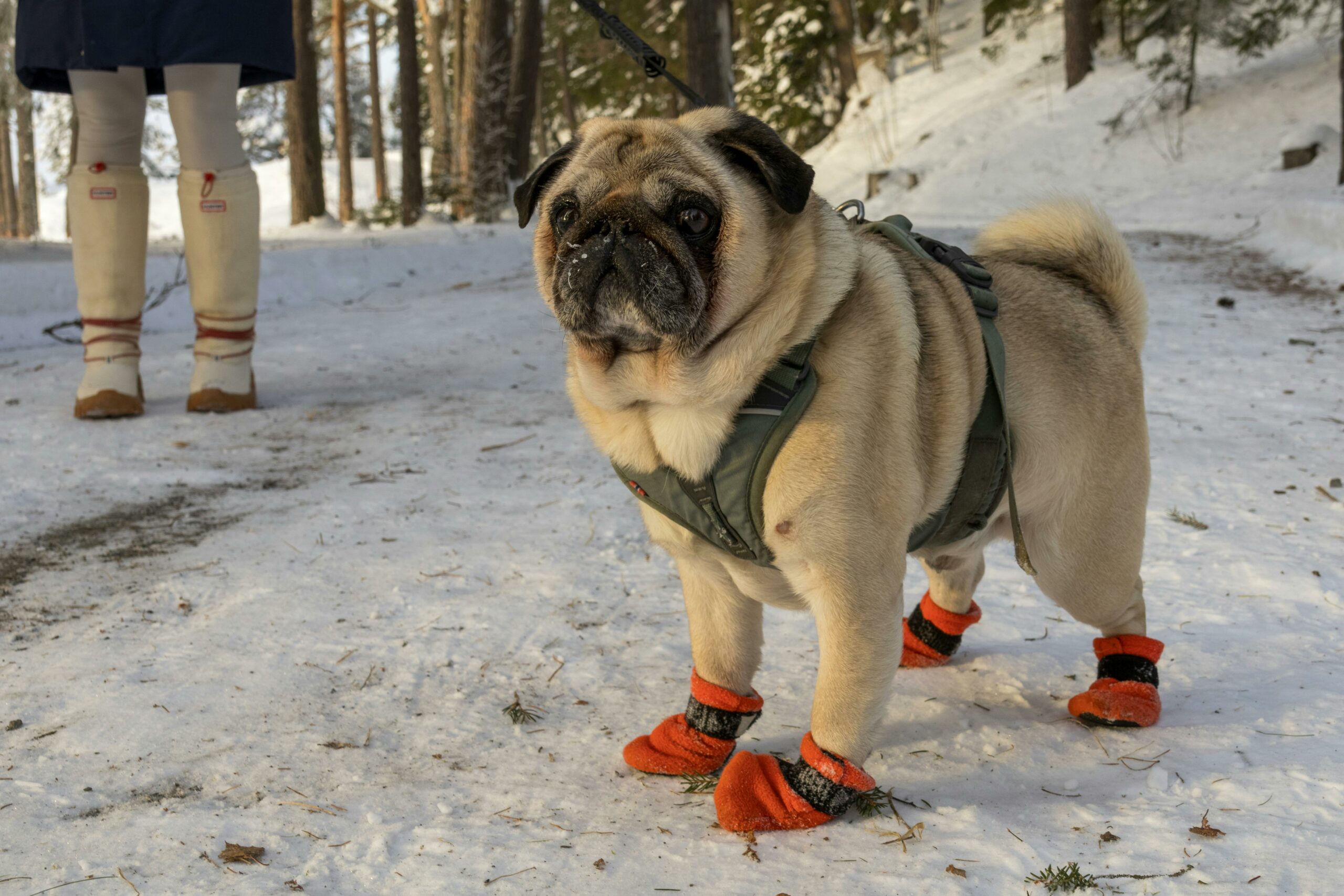
One of the most effective ways to protect your dog’s paws in the winter is by using dog booties. These protective footwear options help shield your dog’s paws from the cold, salt, and ice while providing extra traction on slippery surfaces. Booties can also prevent snowballs from forming between your dog’s toes.
While not all dogs are comfortable wearing booties at first, you can train your dog to wear them gradually by allowing them to get used to the sensation. Start with short sessions at home and gradually increase the amount of time your dog wears the booties during walks.
4. Limit Outdoor Exposure in Extreme Cold
While some dogs are more tolerant of cold weather than others, it’s important to limit your dog’s exposure to extremely cold temperatures. If the temperature is dangerously low or there are strong winds, it’s best to shorten your dog’s walks or keep them indoors. Prolonged exposure to cold weather increases the risk of frostbite, hypothermia, and other cold-related injuries.
Be sure to monitor your dog for signs of discomfort during walks, such as lifting their paws off the ground, shivering, or reluctance to walk. If your dog is uncomfortable, it’s best to head indoors.
5. Use Salt-Free De-Icers on Your Property
If you live in an area where snow and ice accumulate regularly, consider using salt-free de-icers on your property. These products are safe for pets and won’t irritate your dog’s paws. Many traditional de-icing salts contain chemicals that can burn or irritate your dog’s paws, so using an alternative product can help keep your dog safe while walking outside.
If you have to use regular de-icing salts, be sure to wipe down your dog’s paws after every outing to remove any residue.
6. Inspect Your Dog’s Paws Regularly
It’s essential to inspect your dog’s paws regularly for any signs of damage or irritation. Look for cracks, cuts, redness, swelling, or sores. If you notice any of these symptoms, treat the area immediately and consult your veterinarian if necessary. Prompt treatment can prevent infections and other complications.
If you notice that your dog is frequently licking or biting their paws, this could be a sign of pain or discomfort. In such cases, it’s a good idea to consult a veterinarian to rule out any underlying issues.
Signs of Paw Problems to Watch Out For
In addition to regular inspection, watch for the following signs that your dog may be experiencing paw issues:
- Lameness or limping
- Swelling or redness of the paw pads
- Excessive licking or chewing of the paws
- Crying or whimpering when walking
- Bleeding or open sores on the paws
If you notice any of these signs, it’s important to address the problem promptly to avoid further complications.
Conclusion
Taking care of your dog’s paws in winter is essential for their comfort, health, and well-being. Cold temperatures, snow, ice, and salt can all cause damage and discomfort if left untreated. By following the steps outlined in this article, including cleaning and moisturizing their paws, using booties, and limiting exposure to harsh conditions, you can help protect your dog’s paws from the winter elements. Always monitor your dog for any signs of paw discomfort, and be proactive about providing the care they need to stay healthy and happy all winter long.
By taking these precautions, your dog can enjoy the winter season comfortably and safely, whether they’re playing in the snow or taking a cozy nap indoors.