Dogs are known for being friendly, loyal, and social animals, but their behavior can vary significantly when encountering strangers. Some dogs may approach new people eagerly, while others may become nervous, fearful, or even aggressive. The way a dog reacts when meeting strangers often depends on factors such as their personality, past experiences, and the environment in which they are introduced to new people. As responsible pet owners, it’s crucial to understand and manage our dog’s behavior, especially in public places. Training and socialization are key components to helping your dog behave appropriately and confidently around strangers.
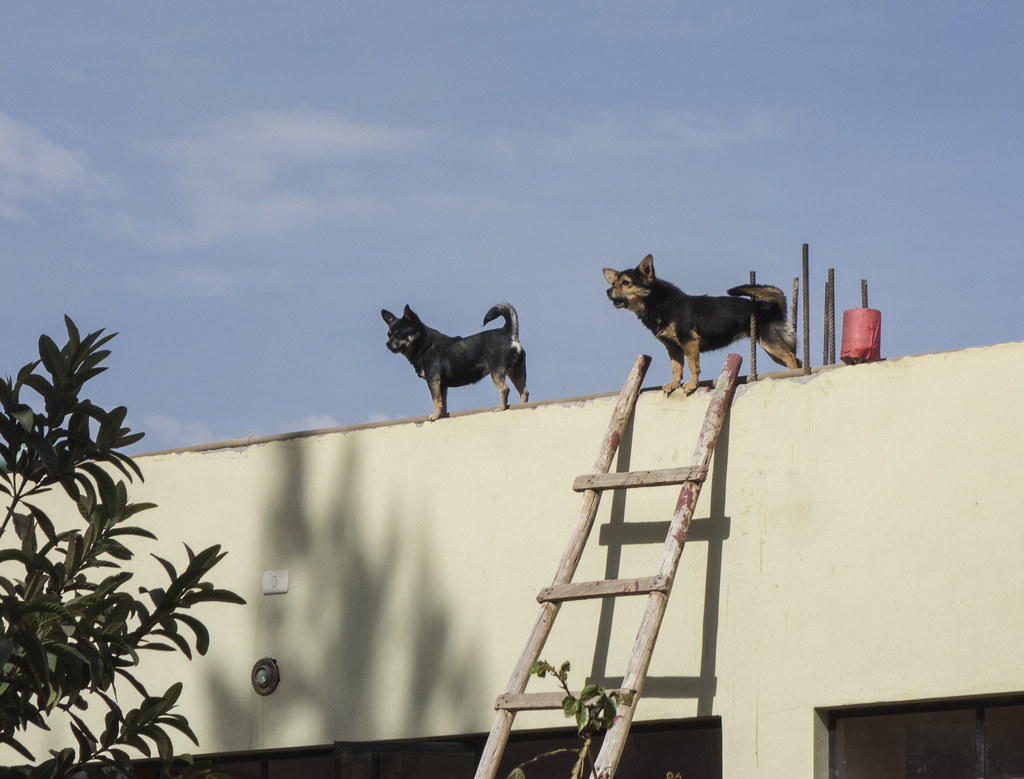
This article will discuss how to manage and train your dog’s behavior when meeting strangers in public places, including tips for fostering positive interactions, preventing fear-based reactions, and promoting good manners.
1. Understanding Your Dog’s Body Language
Before we dive into training and management techniques, it’s essential to understand your dog’s body language. Dogs communicate primarily through body language, and being able to read these signals will help you identify how your dog is feeling in a given situation.
Signs of Comfort and Approachability:
- Relaxed posture: A calm dog with relaxed ears, tail, and body is likely feeling comfortable.
- Wagging tail: A soft wag or a wag that’s not too fast can indicate that your dog is happy and comfortable.
- Loose body: A dog that moves freely and is not tense is usually open to interaction.
Signs of Discomfort or Stress:
- Raised hackles: This can be a sign of alertness, fear, or defensiveness.
- Stiff posture: When a dog becomes stiff or rigid, it may indicate that they are feeling threatened or uncomfortable.
- Whining or growling: This can be a sign that your dog is anxious or fearful.
- Licking lips or yawning: These can be signs of stress or uncertainty in a situation.
- Avoiding eye contact: If your dog looks away or avoids staring at a stranger, it could indicate fear or discomfort.
By recognizing these signs, you can better manage your dog’s interactions with strangers, knowing when to intervene and when to let the encounter unfold naturally.
2. The Importance of Socialization
One of the most important steps in managing your dog’s behavior when meeting strangers is proper socialization. Socialization refers to the process of exposing your dog to various people, places, sounds, and experiences in a controlled and positive manner, which helps them become well-adjusted and confident in new situations.
Early Socialization in Puppies:
The optimal time to begin socializing your dog is during their critical period of development, usually between 3 and 14 weeks of age. During this period, puppies are more receptive to new experiences and tend to be less fearful of unfamiliar situations.
Introducing your puppy to different people, environments, and experiences during this time can set the foundation for good behavior later in life. It’s essential to create positive experiences during socialization, rewarding your puppy with treats and praise when they interact confidently with new people.
Socializing Adult Dogs:
It’s never too late to socialize an adult dog. However, it may take more time and patience to help them feel comfortable with new people. Start with calm, controlled environments where your dog can meet strangers in a relaxed manner. Gradually increase the level of difficulty by exposing them to more stimulating environments, such as busy public places.
Socialization should always be a gradual process, and it’s essential to avoid overwhelming your dog. Never force your dog to interact with someone if they are showing signs of fear or stress.
3. How to Train Your Dog to Behave When Meeting Strangers
Training your dog to behave appropriately when meeting strangers is essential for ensuring positive interactions in public places. Here are some effective training techniques to help your dog feel more confident and well-mannered around new people:
A. Positive Reinforcement: Reward-Based Training
Positive reinforcement is one of the most effective methods for teaching your dog appropriate behavior. This involves rewarding your dog with treats, praise, or toys when they behave well. When meeting a stranger, reward your dog for calm behavior such as sitting, standing still, or even making eye contact without becoming overly excited or fearful.
- Begin with distance: Start training by having your dog meet strangers at a distance where they are comfortable. Gradually decrease the distance over time, rewarding calm behavior with treats and praise.
- Use high-value treats: Offer treats that your dog loves and finds irresistible to motivate them to focus on you during interactions with strangers.
- Consistency is key: Use the same commands and techniques consistently during every encounter with a stranger to reinforce the desired behavior.
B. Desensitization and Counter-Conditioning
Desensitization and counter-conditioning are techniques used to change your dog’s emotional response to meeting strangers. This approach works well for dogs that exhibit fear or anxiety in the presence of new people.
- Start slow: Begin by exposing your dog to strangers from a distance. Gradually decrease the distance over time as your dog becomes more comfortable.
- Pair strangers with positive experiences: Every time your dog sees a stranger, immediately reward them with a treat. Over time, your dog will begin to associate strangers with positive outcomes, such as treats and praise.
- Gradually increase difficulty: Once your dog is comfortable with meeting strangers at a distance, you can begin practicing closer encounters. Continue to reward calm behavior, and take breaks if your dog shows signs of stress.
C. Teaching Calm Behavior: The “Sit” and “Look at Me” Commands
Teaching your dog simple commands such as “sit” and “look at me” can be useful when encountering strangers in public. These commands help redirect your dog’s focus and encourage calm behavior.
- Sit command: Teach your dog to sit on command, which encourages them to remain still and calm. Practice this command in different environments, gradually increasing distractions.
- Look at me command: This command involves teaching your dog to make eye contact with you. This is a useful tool for distracting your dog and redirecting their focus from strangers.
- Use in public settings: Once your dog understands these commands, use them when meeting strangers in public places. Reward your dog for sitting calmly or looking at you instead of focusing on the stranger.
4. Managing Your Dog in Public Places
Managing your dog’s behavior in public places, especially around strangers, can be a challenge, but with the right approach, it can be a positive experience for both you and your dog. Here are some tips for managing your dog’s behavior in public settings:
A. Keep Your Dog on a Leash
When walking your dog in public places, always keep them on a leash. A leash provides control over your dog’s movements and prevents them from rushing toward or avoiding strangers. If your dog becomes excited or anxious around new people, a leash also allows you to redirect their attention and keep them calm.
B. Choose Quiet Locations for Training
Start practicing your dog’s behavior in quieter, less crowded locations before gradually moving to busier areas. Avoid overwhelming your dog with too many distractions, especially when they are still learning to interact calmly with strangers.
C. Be Prepared to Intervene
If your dog shows signs of stress, aggression, or fear when meeting a stranger, be ready to intervene. Use the “sit” or “look at me” command to redirect your dog’s attention. If necessary, give your dog some space and allow them to calm down before continuing with the interaction.
D. Avoid Forcing Interaction
Never force your dog to interact with a stranger if they are showing signs of fear or discomfort. Instead, take a step back and give your dog the time and space they need to feel more comfortable. Forcing interaction can exacerbate fear-based behavior and hinder your training efforts.
5. Common Challenges and Solutions
Despite the best training efforts, you may face challenges when managing your dog’s behavior in public. Here are some common issues and ways to address them:
A. Fearful Behavior
Some dogs may react fearfully when meeting strangers. In this case, it’s important to go back to basic desensitization and counter-conditioning techniques. Gradually expose your dog to strangers in a low-pressure environment, rewarding them for calm behavior.
B. Overexcitement
If your dog gets overly excited or jumps on strangers, work on teaching impulse control through commands like “sit” or “stay.” Reward calm behavior and avoid reinforcing jumping by turning your back or stepping away when it happens.
C. Aggression
Aggressive behavior towards strangers may be a result of fear, territorial instincts, or past negative experiences. In these cases, consider consulting a professional dog trainer or behaviorist who can assess the situation and create a personalized training plan for your dog.
Conclusion: A Well-Behaved Dog Around Strangers
Training your dog to behave well around strangers is a process that requires patience, consistency, and understanding. By focusing on socialization, using positive reinforcement, and addressing any challenges as they arise, you can help your dog become more confident and well-mannered in public places. With the right training and management strategies, your dog can enjoy positive interactions with new people while maintaining good behavior and a happy demeanor.