History and Origins of the Maltese Breed
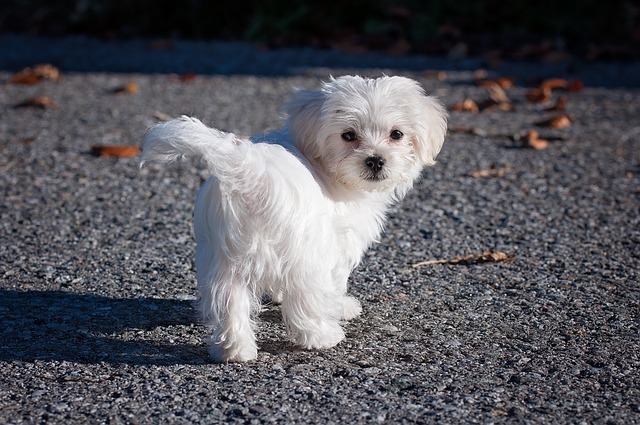
The Maltese breed is an ancient and noble toy breed known for its elegant appearance and charming personality. Here’s a detailed overview of the history, origins, and physical characteristics of Maltese dogs:
History and Origins
- Ancient Origins: The Maltese breed has a long history that dates back thousands of years. They are believed to have originated from the Mediterranean region, specifically the island of Malta, hence their name.
- Royalty and Aristocracy: Maltese dogs have been favored by royalty and aristocrats throughout history. They were cherished companions of ancient Greeks, Romans, Egyptians, and later European nobility, including Queen Elizabeth I and Queen Victoria.
- Development of the Breed: The exact ancestry of the Maltese is uncertain, but they are thought to be descendants of ancient toy breeds from Asia. Over centuries, the breed was refined and developed into the Maltese we know today.
Physical Characteristics and Appearance
- Size: Maltese dogs are small and compact, typically weighing between 4 to 7 pounds (1.8 to 3.2 kg) and standing around 7 to 9 inches (18 to 23 cm) tall at the shoulder.
- Coat: The most distinctive feature of the Maltese is their luxurious, silky coat that flows to the ground. The coat is pure white and lacks an undercoat, making it hypoallergenic and relatively low-shedding.
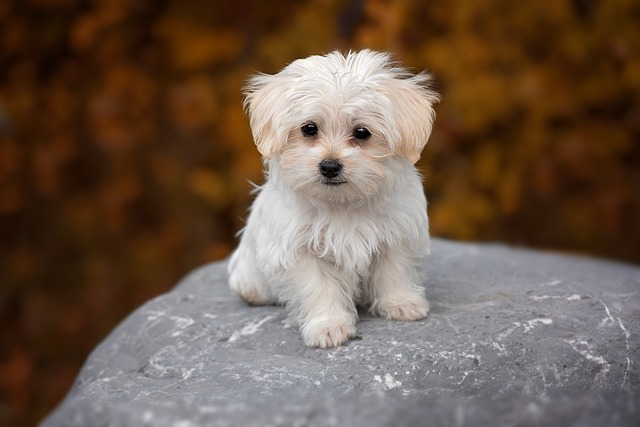
- Body Structure: Maltese have a sturdy body with a slightly rounded skull, black nose, and expressive dark eyes. Their ears are dropped and heavily feathered, adding to their elegant appearance.
- Tail: The Maltese tail is long and carried gracefully over the back, often adorned with a plume of silky hair.
- Gait: Maltese dogs move with a sprightly, effortless gait, showcasing their confident and lively demeanor.
- Expression: Their sweet and expressive face, combined with their flowing coat, gives Maltese a regal and endearing appearance.
Coat Care and Grooming
- High Maintenance Coat: The Maltese coat requires regular grooming to prevent matting and tangles. Daily brushing is recommended to keep the coat in top condition.
- Professional Grooming: Many Maltese owners opt for professional grooming to maintain the breed’s signature look, including frequent trimming and shaping of the coat.
- Hygiene: Regular attention to dental care, ear cleaning, and nail trimming is essential for the health and well-being of Maltese dogs.
Personality Traits and Temperament
- Affectionate: Maltese are devoted and affectionate companions who thrive on human companionship. They form strong bonds with their families and enjoy being the center of attention.
- Playful and Energetic: Despite their small size, Maltese dogs are lively and playful. They enjoy interactive games and activities with their owners.
- Intelligent: Maltese are intelligent and quick learners, excelling in obedience training and agility.
- Alert and Vocal: Maltese make excellent watchdogs due to their alert nature. They may bark to alert their owners of visitors or potential threats.
- Good with Families: Maltese are well-suited for families of all ages, including older individuals and apartment dwellers. They thrive in loving and nurturing environments.
Maltese dogs are cherished for their beauty, charm, and affectionate nature. Whether as a companion for royalty or a beloved family pet, the Maltese breed continues to capture the hearts of dog lovers around the world. Their regal appearance, playful demeanor, and unwavering devotion make them a delightful addition to any household. However, potential owners should be prepared for the commitment required to maintain their exquisite coat and provide them with the love and attention they deserve.
Maltese Temperament and Personality Traits
Maltese dogs are renowned for their endearing temperament and charming personality. Understanding their unique traits and socialization needs is key to nurturing a happy and well-balanced Maltese companion. Here’s an overview of Maltese temperament, personality traits, and their training and socialization requirements:
Temperament and Personality Traits
- Affectionate and Devoted: Maltese dogs are deeply devoted to their families and thrive on companionship. They form strong bonds with their owners and enjoy being close to them.
- Playful and Energetic: Despite their small size, Maltese are surprisingly energetic and playful. They love interactive games, toys, and activities that engage their curious minds.
- Intelligent and Trainable: Maltese are intelligent dogs with a willingness to please. They respond well to positive reinforcement training methods and enjoy learning new tricks and commands.
- Alert and Watchful: Maltese have a keen sense of hearing and are naturally alert. They make excellent watchdogs and will alert their owners to any unusual sounds or visitors.
- Friendly and Social: Maltese dogs are generally friendly towards strangers and other pets when properly socialized from a young age. They enjoy meeting new people and making friends.
- Gentle and Sensitive: Maltese have a gentle and sensitive nature. They thrive in calm and positive environments and may be sensitive to loud noises or harsh treatment.
- Companionable: Maltese are true companion dogs and prefer to be part of the family activities. They often seek out laps and cuddles from their owners.
- Affable with Children: While Maltese are generally good with children, they are better suited for families with older children who understand how to interact gently with small dogs.
Training Needs
- Early Socialization: Introduce your Maltese puppy to various people, places, and experiences during the critical socialization period (8 to 16 weeks old). This helps them develop confidence and adaptability.
- Basic Obedience Training: Start training your Maltese early using positive reinforcement techniques such as treats, praise, and play. Focus on teaching basic commands like sit, stay, come, and leash walking.
- Consistency and Patience: Maltese respond well to consistent training routines. Keep training sessions short, fun, and positive to maintain their interest.
- House Training: Maltese can be house trained successfully using crate training and positive reinforcement. Establish a regular potty schedule and supervise closely during the early stages of training.
- Socialization with People and Pets: Expose your Maltese to different people, dogs, and situations to prevent shyness or fearfulness. Supervised playdates and puppy classes can be beneficial.
- Exercise and Mental Stimulation: Provide regular exercise and mental stimulation to keep your Maltese happy and prevent boredom. Interactive toys, short walks, and indoor games are great options.
Maltese dogs are wonderful companions known for their affectionate nature, intelligence, and playfulness. With proper training, socialization, and positive reinforcement, they can thrive in various living situations, from apartments to family homes. Their small size and gentle demeanor make them ideal companions for individuals and families seeking a devoted and loving canine friend.
Health Considerations and Common Issues in Maltese Dogs
Maltese dogs are generally healthy and long-lived, but like all breeds, they are prone to certain health conditions and require specific care to thrive. Here are some health considerations and common issues to be aware of when living with a Maltese, along with suitable environments and lifestyle considerations:
Health Considerations and Common Issues
- Respiratory Issues: Maltese have a small trachea and may be prone to respiratory problems, such as tracheal collapse or reverse sneezing. Avoid using collars and opt for harnesses to reduce strain on their delicate necks.
- Dental Health: Maltese are susceptible to dental issues, including tartar buildup, gum disease, and tooth loss. Regular dental care, such as brushing their teeth and providing dental chews, is essential for maintaining oral hygiene.
- Luxating Patella: This is a common orthopedic issue in Maltese where the kneecap dislocates or moves out of its normal position. Symptoms include limping or skipping on one or both hind legs. Surgical intervention may be necessary in severe cases.
- Hypoglycemia: Maltese puppies, especially toy-sized ones, are prone to low blood sugar levels (hypoglycemia), which can cause weakness, lethargy, seizures, and even coma. Feed them small, frequent meals throughout the day to stabilize their blood sugar levels.
- Eye Conditions: Maltese can develop various eye issues, such as tear staining, dry eye (keratoconjunctivitis sicca), progressive retinal atrophy (PRA), and cataracts. Regular eye exams by a veterinarian are recommended.
- Allergies: Maltese dogs may suffer from allergies, including food allergies and environmental allergies (e.g., pollen, dust mites). Monitor their skin and coat for signs of itching, redness, or irritation, and consult a veterinarian for proper diagnosis and treatment.
- Hearing Loss: Some Maltese may experience hearing loss, especially as they age. Regular check-ups can help detect any changes in hearing ability.
Living with a Maltese: Suitable Environments and Lifestyle Considerations

- Indoor Living: Maltese dogs are well-suited for indoor living and thrive in comfortable, climate-controlled environments. They enjoy being close to their human family members and should not be left outdoors for extended periods.
- Exercise Needs: Maltese are active dogs despite their small size. They benefit from daily walks, interactive playtime, and mental stimulation to prevent boredom and excess energy.
- Grooming Requirements: Maltese dogs have a long, silky coat that requires regular grooming to prevent matting and tangles. Daily brushing and periodic professional grooming sessions are essential to maintain their beautiful coat.
- Safety Precautions: Due to their small size and delicate nature, Maltese should be supervised around larger dogs and children to prevent accidental injury.
- Routine Veterinary Care: Regular veterinary check-ups, vaccinations, and preventive care (including dental cleanings) are crucial for ensuring the health and well-being of Maltese dogs.
- Socialization and Training: Early socialization and positive reinforcement training are essential for Maltese dogs to develop good behavior and confidence.
Living with a Maltese requires commitment to their health, grooming, and overall well-being. By understanding their unique health considerations and providing them with a suitable environment and lifestyle, you can enjoy a fulfilling and lasting relationship with your Maltese companion. Regular veterinary care, proper nutrition, exercise, and preventive measures will help ensure a happy and healthy life for your beloved Maltese dog.
Maltese Variations and Breeding Practices
Maltese dogs are a breed with a consistent appearance and standard, so there aren’t recognized variations within the breed like there are with some other breeds that have distinct types or lines. However, within breeding practices, certain considerations and aspects are important to maintain the breed’s health, temperament, and conformation.
Breeding Practices for Maltese:
- Health Testing: Responsible breeders prioritize the health of their Maltese dogs. This includes screening for genetic health issues such as luxating patella, cardiac conditions, and eye problems. Health testing helps ensure that breeding pairs are healthy and less likely to pass on hereditary issues to their offspring.
- Conformation Standards: Maltese breeders adhere to the breed standard set by kennel clubs and breed organizations. This standard defines the ideal physical characteristics of the breed, including size, coat color and texture, body proportions, and overall appearance. Breeding practices aim to produce puppies that conform closely to these standards.
- Line Breeding and Outcrossing: Line breeding, when done responsibly, can help maintain desirable traits and consistency within the breed. However, it’s crucial to avoid excessive inbreeding that could lead to genetic problems. Some breeders also use outcrossing (breeding with dogs of a different but similar breed) to introduce genetic diversity and reduce the risk of inherited disorders.
- Temperament and Behavior: Ethical breeders focus on breeding Maltese with stable and desirable temperaments. They aim to produce puppies that are affectionate, social, and well-adjusted. Early socialization and positive experiences are crucial for shaping the behavior of Maltese puppies.
- Ethical Standards and Regulations: Reputable breeders adhere to ethical breeding practices and guidelines set by kennel clubs and breed organizations. They prioritize the welfare of their dogs and strive to improve the breed while maintaining its unique characteristics.
- Pedigree and Documentation: Responsible breeders provide pedigree documentation for their puppies, which details their lineage and confirms their purebred status. This helps prospective owners understand the background and genetic history of their Maltese puppy.
Considerations for Prospective Owners:
- When looking for a Maltese puppy, choose a reputable breeder who is transparent about their breeding practices, health testing, and the care of their dogs.
- Avoid purchasing puppies from backyard breeders or puppy mills, as these sources often prioritize profit over the well-being of the dogs.
- Consider adopting a Maltese from a rescue organization or shelter if you’re open to providing a loving home to a dog in need.
By supporting responsible breeding practices and choosing a reputable breeder, you can contribute to the health and welfare of the Maltese breed and enjoy a happy, healthy companion for many years to come.
50 Best Names with Meanings for Maltese
Choosing a name for your Maltese can be a fun and meaningful process. Here are 50 great names with their meanings that could suit your Maltese dog:
- Bella – Beautiful
- Max – Greatest
- Luna – Moon
- Charlie – Free man
- Sophie – Wisdom
- Teddy – Wealthy protector
- Lucy – Light
- Rocky – Rest
- Mia – Mine
- Bailey – Bailiff
- Coco – Chocolate bean
- Oliver – Olive tree
- Molly – Bitter
- Buddy – Friend
- Daisy – Day’s eye
- Toby – Yahweh is good
- Milo – Soldier or merciful
- Sadie – Princess
- Oscar – God’s spear
- Rosie – Rose
- Louie – Famous warrior
- Chloe – Blooming
- Jack – God is gracious
- Maggie – Pearl
- Leo – Lion
- Zoe – Life
- Rusty – Red-haired
- Lola – Strong woman
- Finn – Fair
- Gigi – Earth worker
- Sammy – Asked of God
- Millie – Gentle strength
- Winston – Joy stone
- Gracie – Grace
- Cooper – Barrel maker
- Lilly – Lily flower
- Riley – Courageous
- Pepper – Spicy seasoning
- Benji – Son of the right hand
- Ziggy – Victorious protector
- Ruby – Red gemstone
- Archie – Bold or brave
- Muffin – Small cake
- Dexter – Right-handed
- Ivy – Faithfulness
- Gus – Majestic
- Nala – Gift
- Harley – Hare’s meadow
- Roxy – Dawn
- Winnie – Fair one
Choose a name that resonates with you and reflects your Maltese’s personality and appearance. Whether you prefer classic, trendy, or unique names, there’s surely a perfect name on this list for your beloved Maltese companion!
In conclusion, this guide has provided a comprehensive overview of the Maltese dog breed, highlighting its distinctive characteristics and essential care considerations. Throughout our exploration, we’ve delved into the history, unique traits, and important aspects of owning a Maltese.
Maltese dogs are known for their affectionate nature, elegant appearance, and playful personality. They thrive on companionship and make wonderful indoor pets for families and individuals alike. Proper grooming, regular exercise, and socialization are key to ensuring the health and happiness of a Maltese.
As you embark on your journey with a Maltese, it’s important to provide them with love, attention, and proper care. With patience and understanding, you can develop a strong bond and enjoy a fulfilling companionship with this delightful breed. Remember to consult with veterinarians and experienced dog trainers to address any specific needs or challenges that may arise. By nurturing and caring for your Maltese, you’ll create lasting memories and cherish the joy they bring into your life.