History and Origins of the Pomeranian Breed:

The Pomeranian, often affectionately referred to as the “Pom,” is a small toy breed that originated from the region of Pomerania, which is now part of modern-day Germany and Poland. Despite its diminutive size, the Pomeranian has a rich and illustrious history dating back several centuries.
Pomeranians are descendants of larger sled-pulling and herding spitz-type dogs that were common in the Arctic regions of Scandinavia and Europe. These early ancestors were renowned for their endurance, intelligence, and versatility, serving as loyal companions and working dogs for their human counterparts.
The development of the Pomeranian as a distinct breed can be traced back to the 18th century, when the breed’s size was gradually reduced through selective breeding efforts. It is believed that the breed was refined and miniaturized through crosses with smaller sled dogs and other toy breeds, resulting in the compact and charming Pomeranian we know today.
Pomeranians gained popularity among European nobility and royalty, particularly during the Victorian era, when Queen Victoria of England became enamored with the breed. Queen Victoria’s love for Pomeranians helped to popularize the breed among the aristocracy and upper classes, leading to its status as a fashionable and sought-after companion dog.
In the late 19th and early 20th centuries, Pomeranians were introduced to other parts of the world, including the United States, where they quickly gained popularity as cherished pets and show dogs. The American Kennel Club (AKC) officially recognized the Pomeranian breed in 1900, and it has since become one of the most popular toy breeds in the United States and around the world.
Physical Characteristics and Appearance of Pomeranians:
Pomeranians are small, compact dogs with a distinctive appearance and charming personality. Here are some key physical characteristics and traits of Pomeranians:
- Size: Pomeranians are classified as a toy breed and typically weigh between 3 to 7 pounds, with an average height of 6 to 7 inches at the shoulder. Despite their small size, Pomeranians are sturdy and well-boned, with a compact and square-shaped body.
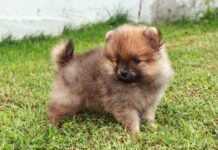
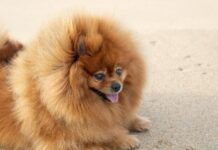
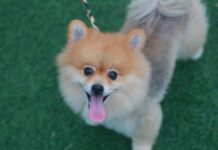
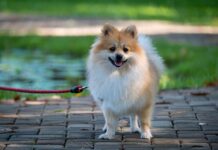
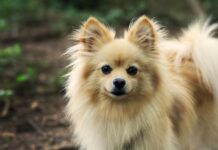
- Coat: Pomeranians are known for their luxurious double coats, which consist of a dense, fluffy undercoat and a long, harsh outer coat. The breed comes in a variety of coat colors, including orange, red, cream, black, blue, sable, brown, and white. Pomeranians may also have parti-color or merle patterns.
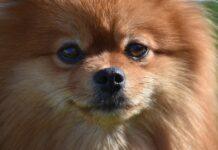
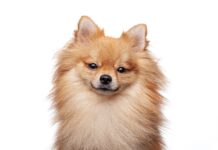
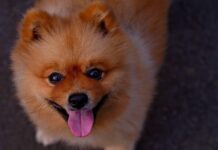
- Head: Pomeranians have small, wedge-shaped heads with a distinctively foxy appearance. They have bright, almond-shaped eyes that convey intelligence and curiosity, and small, erect ears that stand upright and alert.
- Tail: Pomeranians have high-set, plumed tails that are carried over their backs in a graceful arch. The tail is heavily plumed with long, feathered hair, adding to the breed’s elegant and regal appearance.
- Expression: Pomeranians have a lively and expressive facial expression, with a bright, alert demeanor and a keen, intelligent gaze. Their facial features are often described as fox-like, with a distinctive muzzle, dark nose, and expressive eyes.
- Overall Appearance: Pomeranians are well-balanced and proportioned dogs with a confident and animated presence. They move with a graceful and effortless gait, exhibiting agility, energy, and poise.
Overall, the Pomeranian’s distinctive appearance, vibrant personality, and playful nature make it a beloved breed cherished by dog lovers around the world. Whether as a cherished companion, a show ring star, or a cherished family pet, the Pomeranian’s unique qualities and endearing character continue to captivate hearts and bring joy to all who encounter them.
Pomeranian Temperament and Personality Traits
Pomeranians are known for their lively temperament and vibrant personality, making them delightful companions for individuals and families alike. Here’s a closer look at the typical temperament and personality traits of Pomeranians, along with their training and socialization needs:
Temperament and Personality Traits:
- Playful: Pomeranians have a playful and mischievous nature, often engaging in antics that entertain their owners and bring joy to those around them. They have boundless energy and love to play games, chase toys, and participate in interactive activities.
- Intelligent: Pomeranians are highly intelligent dogs with keen problem-solving abilities. They are quick learners and can excel in obedience training, agility, and other canine sports. Their intelligence and eagerness to please make them responsive and adaptable to various training methods.
- Confident: Despite their small size, Pomeranians possess a confident and outgoing personality. They are bold, assertive, and self-assured, approaching new experiences with curiosity and enthusiasm. Their confident demeanor often belies their diminutive stature.
- Affectionate: Pomeranians are affectionate and devoted companions that form strong bonds with their human families. They thrive on attention and affection, enjoying cuddle sessions, lap time, and quality one-on-one interactions with their loved ones.
- Alert: Pomeranians are naturally alert and vigilant dogs, always on the lookout for potential threats or intruders. They make excellent watchdogs and will bark to alert their owners to any perceived dangers or disturbances, despite their small size.
- Spirited: Pomeranians have a spirited and outgoing personality that belies their toy breed status. They are lively, vivacious, and full of zest for life, approaching each day with enthusiasm and gusto.
Training and Socialization Needs:
- Early Socialization: Early and ongoing socialization is crucial for Pomeranians to develop into well-adjusted and well-behaved adults. Expose them to a variety of people, animals, environments, and experiences from a young age to help them feel confident and comfortable in different situations.
- Positive Reinforcement Training: Pomeranians respond well to positive reinforcement training methods, including praise, treats, and rewards for desired behaviors. Use consistent, gentle, and patient training techniques to teach obedience commands, house manners, and leash etiquette.
- Housetraining: Pomeranians can be stubborn when it comes to housetraining, so patience and consistency are key. Establish a regular potty routine, provide frequent opportunities for bathroom breaks, and praise and reward your Pomeranian for eliminating in the appropriate location.
- Leash Training: Pomeranians may have a tendency to pull on the leash or exhibit leash reactivity due to their energetic nature and strong prey drive. Proper leash training is essential to teach them to walk calmly and politely on a leash without pulling or lunging.
- Mental Stimulation: Pomeranians are intelligent and active dogs that require mental stimulation to prevent boredom and destructive behaviors. Provide them with plenty of interactive toys, puzzle games, and training sessions to challenge their minds and keep them engaged.
- Supervision: Pomeranians are small dogs that may be vulnerable to accidents or injuries if left unsupervised. Keep a close eye on your Pomeranian, especially during outdoor activities or interactions with larger dogs, to prevent accidents and ensure their safety.
By providing early socialization, positive reinforcement training, mental stimulation, and plenty of love and attention, you can help your Pomeranian develop into a well-behaved, well-adjusted companion that brings joy and laughter to your home. With their affectionate nature, playful personality, and lively spirit, Pomeranians make wonderful pets for individuals and families who are willing to invest time and effort into their care and training.
Health Considerations and Common Issues in Pomeranian Dogs:

Pomeranians are generally healthy dogs, but like all breeds, they may be prone to certain health issues and conditions. It’s essential for Pomeranian owners to be aware of these potential health concerns and take proactive measures to maintain their dog’s well-being. Here are some common health considerations in Pomeranian dogs:
- Dental Problems: Pomeranians are prone to dental issues such as periodontal disease, tooth decay, and tartar buildup. Small breed dogs like Pomeranians often have crowded teeth, which can increase the risk of dental problems. Regular dental care, including daily tooth brushing, dental chews, and professional cleanings as needed, is essential for maintaining oral health and preventing dental issues.
- Luxating Patella: Luxating patella, or kneecap dislocation, is a common orthopedic condition in Pomeranians. It occurs when the kneecap slips out of place, causing lameness, pain, and mobility issues. Regular exercise, weight management, and joint supplements may help manage symptoms and prevent progression of the condition.
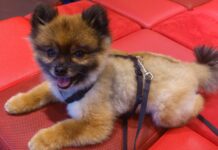
- Tracheal Collapse: Pomeranians are susceptible to tracheal collapse, a condition where the cartilage rings in the trachea weaken and collapse, causing breathing difficulties, coughing, and gagging. Avoid using collars that put pressure on the neck and trachea, and use a harness instead to reduce strain on the airway.
- Hypoglycemia: Pomeranian puppies, in particular, are prone to hypoglycemia, or low blood sugar, due to their small size and high metabolism. Hypoglycemia can cause weakness, lethargy, tremors, seizures, and even coma if left untreated. Feed Pomeranian puppies small, frequent meals throughout the day and monitor their energy levels and appetite closely.
- Eye Problems: Pomeranians may be susceptible to eye conditions such as cataracts, progressive retinal atrophy (PRA), and dry eye (keratoconjunctivitis sicca). Regular eye exams by a veterinary ophthalmologist can help detect and treat eye issues early to prevent vision loss.
Living with a Pomeranian: Suitable Environments and Lifestyle Considerations:
Pomeranians are well-suited to indoor living and thrive in homes where they receive plenty of attention, love, and companionship. Here are some factors to consider when living with a Pomeranian:
- Indoor Living: Pomeranians are indoor dogs and should live indoors as part of the family. They enjoy being close to their human companions and should have access to comfortable indoor areas for rest, relaxation, and play.
- Climate Control: Pomeranians have a dense double coat that provides insulation against cold weather, but they can also be sensitive to heat. Avoid leaving Pomeranians outdoors in hot weather, and provide access to air conditioning or fans to keep them cool and comfortable during warmer months.
- Exercise Needs: Despite their small size, Pomeranians have moderate exercise needs and enjoy daily walks, play sessions, and mental stimulation. Interactive toys, puzzle games, and short walks around the neighborhood are excellent ways to keep Pomeranians physically and mentally stimulated.
- Supervision: Pomeranians are small dogs that may be vulnerable to accidents or injuries if left unsupervised. Keep a close eye on your Pomeranian, especially around stairs, balconies, and other potential hazards, to prevent accidents and ensure their safety.
- Socialization: Pomeranians benefit from early socialization to help them feel confident and comfortable in various situations and environments. Expose them to different people, animals, sounds, and experiences from a young age to prevent fearfulness or anxiety later in life.
- Grooming Needs: Pomeranians have a dense double coat that requires regular grooming to prevent matting, tangles, and skin issues. Brush your Pomeranian’s coat several times a week, bathe them as needed, and trim their nails, clean their ears, and brush their teeth regularly to maintain overall hygiene and health.
By providing a loving and supportive environment, regular veterinary care, proper grooming, and plenty of exercise and socialization, you can help your Pomeranian lead a happy, healthy, and fulfilling life as a cherished member of your family. With their affectionate nature, playful personality, and adorable appearance, Pomeranians bring joy and companionship to households around the world.
Pomeranian Variations and Breeding Practices
Pomeranians are known for their diverse coat colors, patterns, and markings, which contribute to their unique and charming appearance. Additionally, responsible breeding practices play a crucial role in maintaining the health, temperament, and conformation standards of Pomeranians. Here’s an overview of Pomeranian variations and breeding practices:
Variations within the Pomeranian Breed:
- Coat Colors: Pomeranians come in a wide range of coat colors, including orange, red, cream, sable, black, blue, brown, white, and parti-color combinations. Some Pomeranians may also exhibit rare or exotic colors such as merle, lavender, chocolate, and wolf sable.
- Coat Patterns: Pomeranians may have various coat patterns and markings, including solid colors, bi-colors, tri-colors, parti-colors, brindle, merle, and sable patterns. Each coat pattern adds to the individuality and appeal of the breed.
- Coat Texture: Pomeranians have a double coat consisting of a dense, soft undercoat and a long, straight outer coat. Some Pomeranians may have a fluffy or woolly texture to their coats, while others may have a sleeker or silkier appearance.
- Size: While Pomeranians are generally small toy breeds, there may be some variation in size within the breed. Standard Pomeranians typically weigh between 4 to 7 pounds, while larger specimens, sometimes referred to as “throwbacks,” may weigh up to 10 pounds or more.
Breeding Practices:
- Health Testing: Responsible Pomeranian breeders prioritize the health and well-being of their breeding stock and offspring. They conduct health screenings and genetic testing on breeding dogs to identify and eliminate hereditary health conditions such as patellar luxation, dental issues, eye problems, and heart disease. Health testing helps ensure that puppies are born healthy and free from genetic defects.
- Conformation and Temperament: Responsible breeders select breeding pairs based on adherence to the Pomeranian breed standard, including physical conformation, coat color, pattern, and temperament. They choose dogs with desirable traits and characteristics that complement each other and improve the overall quality of the breed. Conformation shows, performance events, and temperament testing may be used to evaluate breeding stock and assess their suitability for breeding.
- Genetic Diversity: Maintaining genetic diversity is essential for the long-term health and vitality of the Pomeranian breed. Responsible breeders avoid excessive inbreeding and strive to maintain a diverse gene pool by outcrossing with unrelated lines when necessary. They may collaborate with other reputable breeders to exchange genetic material and introduce new bloodlines into their breeding programs.
- Ethical Practices: Ethical Pomeranian breeders adhere to strict standards of animal welfare and responsible breeding practices. They prioritize the health, temperament, and well-being of their dogs and puppies above profit or popularity. They provide proper care, socialization, and veterinary attention to both adult dogs and puppies and are transparent about their breeding practices and health clearances.
By following responsible breeding practices and prioritizing the health and welfare of their dogs, Pomeranian breeders can help preserve the integrity and quality of the breed while producing healthy, well-adjusted puppies with predictable traits and characteristics. With proper care, socialization, and training, Pomeranians can make wonderful companions and beloved family pets for years to come.
50 Best Names with Meanings for Pomeranians
Here are 50 great names for Pomeranians, along with their meanings:
- Bella – Italian for “beautiful,” fitting for a Pomeranian with a lovely appearance.
- Max – Short for Maximilian, meaning “greatest” or “most excellent.”
- Luna – Latin for “moon,” symbolizing serenity and brightness.
- Teddy – Inspired by the teddy bear, symbolizing comfort and companionship.
- Daisy – Symbolizing innocence, purity, and happiness.
- Milo – Meaning “merciful” or “gracious.”
- Ruby – Reflecting the rich, vibrant color of some Pomeranians’ coats.
- Charlie – Meaning “free man,” a classic and friendly name.
- Sophie – Of Greek origin, meaning “wisdom” or “knowledge.”
- Oliver – Meaning “olive tree,” symbolizing peace and abundance.
- Coco – Inspired by the cocoa bean, reflecting warmth and sweetness.
- Winston – Derived from Old English, meaning “joy stone” or “happy town.”
- Mia – Of Scandinavian origin, meaning “beloved” or “dear.”
- Leo – Latin for “lion,” symbolizing strength and courage.
- Lily – Symbolizing purity, beauty, and renewal.
- Oscar – Derived from Old English, meaning “divine spear” or “God’s spear.”
- Chloe – Of Greek origin, meaning “blooming” or “fertility.”
- Finn – Of Irish origin, meaning “fair” or “white.”
- Bella – Italian for “beautiful,” perfect for a Pomeranian with charm and grace.
- Gizmo – A playful and quirky name, inspired by the lovable character from the movie “Gremlins.”
- Mia – Of Scandinavian origin, meaning “beloved” or “dear.”
- Rocky – Strong and resilient, like a rock.
- Luna – Latin for “moon,” symbolizing serenity and brightness.
- Dexter – Meaning “right-handed” or “skillful.”
- Daisy – Symbolizing innocence, purity, and happiness.
- Gizmo – A playful and quirky name, inspired by the lovable character from the movie “Gremlins.”
- Coco – Inspired by the cocoa bean, reflecting warmth and sweetness.
- Sophie – Of Greek origin, meaning “wisdom” or “knowledge.”
- Leo – Latin for “lion,” symbolizing strength and courage.
- Bailey – Of English origin, meaning “bailiff” or “steward.”
- Penny – Reflecting the coppery color of some Pomeranians’ coats.
- Buddy – A friendly and loyal companion, perfect for a Pomeranian.
- Zoey – Of Greek origin, meaning “life” or “alive.”
- Winston – Derived from Old English, meaning “joy stone” or “happy town.”
- Rosie – Derived from the Latin word for “rose,” symbolizing love, beauty, and femininity.
- Toby – Meaning “God is good,” a cheerful and optimistic name.
- Bella – Italian for “beautiful,” perfect for a Pomeranian with charm and grace.
- Sophie – Of Greek origin, meaning “wisdom” or “knowledge.”
- Leo – Latin for “lion,” symbolizing strength and courage.
- Gizmo – A playful and quirky name, inspired by the lovable character from the movie “Gremlins.”
- Ruby – Reflecting the rich, vibrant color of some Pomeranians’ coats.
- Luna – Latin for “moon,” symbolizing serenity and brightness.
- Daisy – Symbolizing innocence, purity, and happiness.
- Milo – Meaning “merciful” or “gracious.”
- Max – Short for Maximilian, meaning “greatest” or “most excellent.”
- Bella – Italian for “beautiful,” fitting for a Pomeranian with a lovely appearance.
- Coco – Inspired by the cocoa bean, reflecting warmth and sweetness.
- Teddy – Inspired by the teddy bear, symbolizing comfort and companionship.
- Charlie – Meaning “free man,” a classic and friendly name.
- Luna – Latin for “moon,” symbolizing serenity and brightness.
These names offer a variety of meanings and symbolism that can complement the unique personality and characteristics of your Pomeranian!

In conclusion, our comprehensive guide to Pomeranian dogs has provided valuable insights into this delightful breed. From their fluffy appearance to their lively and affectionate personalities, Pomeranians have captured the hearts of dog lovers around the world. Throughout our exploration, we’ve delved into their history, temperament, care needs, and more, offering a thorough understanding for current and prospective Pomeranian owners. Whether as cherished companions or adorable family pets, Pomeranians bring joy, companionship, and endless love into our lives. As you embark on your journey with a Pomeranian by your side, may you embrace each moment shared together, creating cherished memories filled with happiness and affection.