History and Origins of the Basset Hound Breed:
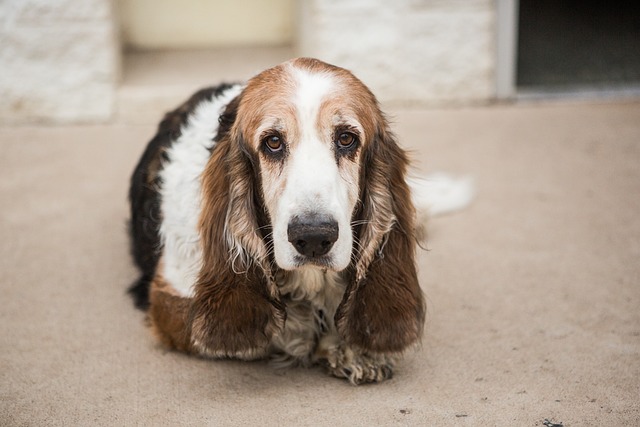
The Basset Hound is a unique and distinctive breed with a fascinating history that dates back centuries. The breed’s origins can be traced to France, where it was developed as a scent hound primarily used for hunting small game, particularly rabbits and hare. The word “Basset” is derived from the French term “bas,” meaning low, which aptly describes the breed’s short-legged stature.
The exact ancestry of the Basset Hound is uncertain, but it is believed to be descended from French hunting hounds such as the Bloodhound. The Basset Hound’s development is attributed to selective breeding for specific traits, including its keen sense of smell, endurance, and low stature, which made it well-suited for tracking game in dense underbrush.
By the 19th century, Basset Hounds had gained popularity among French nobility and were prized for their hunting abilities. The breed’s distinctive appearance and amiable temperament eventually led to its spread beyond France’s borders, gaining popularity in England and other European countries.
In the 20th century, Basset Hounds were imported to the United States, where they quickly gained a following among dog enthusiasts. The breed was recognized by the American Kennel Club (AKC) in 1885, further solidifying its status as a beloved companion and show dog.
Today, the Basset Hound is cherished for its charming personality, gentle nature, and exceptional scenting abilities. While it may no longer be a working hunter, the Basset Hound remains a popular breed as a cherished family pet and an icon of canine charm.
Physical Characteristics and Appearance of Basset Hounds:
The Basset Hound is a medium to large-sized breed known for its distinctive appearance and endearing expression. Here are the key physical characteristics and traits of Basset Hounds:
- Size: Basset Hounds are medium to large-sized dogs with a sturdy build. Adult Bassets typically stand between 12 to 15 inches (30 to 38 cm) at the shoulder and weigh between 40 to 65 pounds (18 to 29 kg).
- Body: Basset Hounds have a long, low-set body with well-developed muscles. They have a deep chest, strong shoulders, and a solid bone structure. Despite their low stature, Basset Hounds are robust and athletic dogs.
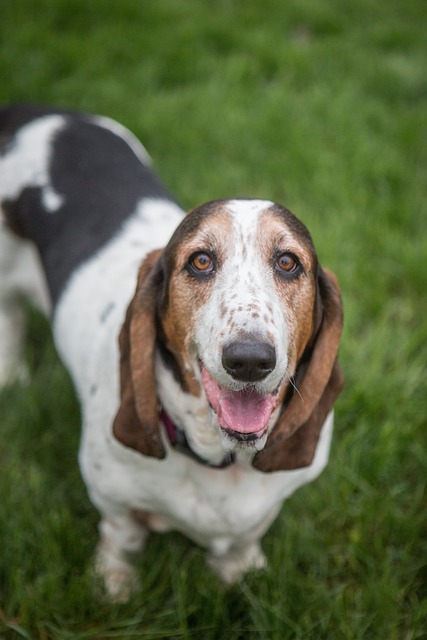
- Head: The Basset Hound’s head is characterized by a large, domed skull with a pronounced stop (forehead). They have a well-defined muzzle that is deep and square in shape, providing ample room for scenting abilities.
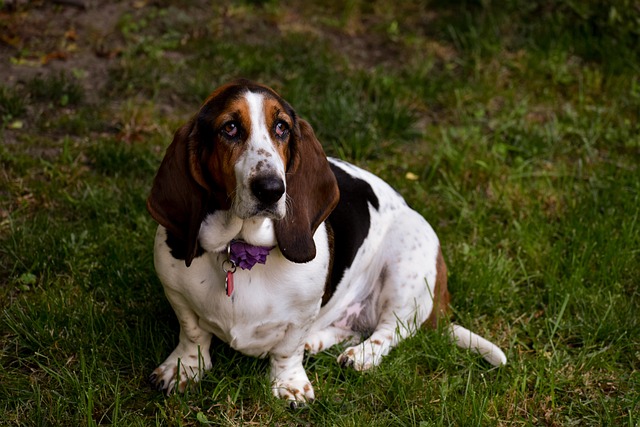
- Ears: One of the most distinctive features of the Basset Hound is its long, pendulous ears that hang low and reach beyond the nose when pulled forward. The ears help trap scents and enhance the breed’s tracking abilities.
- Eyes: Basset Hounds have large, soulful eyes that are dark in color and have a gentle and pleading expression. The eyes are prominent and set well apart on the face.
- Coat: Basset Hounds have a dense, short coat that is smooth and weather-resistant. The coat comes in various colors and patterns, including tri-color (black, white, and tan), lemon and white, mahogany and white, and red and white.
- Tail: The Basset Hound has a moderately long tail that is carried high and sabre-like when the dog is active. The tail is often held in a gentle curve and is never curled over the back.
Overall, the Basset Hound’s unique appearance, coupled with its friendly and affectionate nature, makes it a beloved breed among dog lovers worldwide. Despite its hunting origins, the Basset Hound is now cherished as a delightful companion and family pet, admired for its endearing qualities and undeniable charm.
Basset Hound Temperament and Personality Traits:
Basset Hounds are renowned for their charming and amiable personalities. They possess a unique blend of traits that make them wonderful companions and family pets. Here are some key temperament and personality traits of Basset Hounds:
- Gentle: Basset Hounds are gentle and affectionate dogs known for their sweet and laid-back demeanor. They are generally good-natured and enjoy spending time with their families.
- Friendly: Basset Hounds are sociable dogs that typically get along well with children, other dogs, and even cats. They thrive on companionship and enjoy being part of family activities.
- Loyal: Despite their friendly nature, Basset Hounds are loyal and devoted to their owners. They form strong bonds with their families and often exhibit protective instincts towards loved ones.
- Relaxed: Basset Hounds have a relaxed and easygoing attitude. They are not hyperactive dogs and are content to lounge around the house or nap in a sunny spot.
- Curious: Basset Hounds have a keen sense of smell and are naturally curious dogs. They love to follow scents and investigate their surroundings, which can sometimes lead to wandering if not properly supervised.
- Patient: Basset Hounds are generally patient dogs, making them suitable companions for families with children. They can tolerate a certain level of handling and playfulness from youngsters.
- Playful: Despite their laid-back nature, Basset Hounds enjoy playtime and interactive activities with their families. They have a playful streak and can be surprisingly agile when engaged in games.
- Vocal: Basset Hounds are known for their distinctive bay or howl. They may vocalize when excited, bored, or when they catch an interesting scent. Early training can help manage their vocal tendencies.
Overall, Basset Hounds are affectionate, sociable, and easy-to-love dogs with a charming personality that endears them to dog enthusiasts around the world.
Training and Exercise Needs for Basset Hounds:
Training and exercise play important roles in the well-being and behavior of Basset Hounds. While they are generally laid-back dogs, they benefit from regular exercise and consistent training to thrive. Here are some considerations for training and exercise needs:
- Basic Obedience Training: Start training your Basset Hound early to establish good manners and obedience. Use positive reinforcement techniques such as treats, praise, and toys to motivate and reward desired behaviors.
- Socialization: Expose your Basset Hound to various people, animals, and environments from a young age to promote confidence and prevent shyness or fearfulness. Early socialization helps shape a well-adjusted adult dog.
- Exercise Requirements: Despite their short legs, Basset Hounds have moderate exercise needs. Daily walks, play sessions, and interactive games are important to prevent obesity and keep them mentally stimulated.
- Scent Work: Basset Hounds excel in scent work due to their keen sense of smell. Engage their natural hunting instincts by participating in nose work activities or providing scent-based games and puzzles.
- Consistency: Basset Hounds can be independent and stubborn at times, so consistent training and clear communication are essential. Be patient, firm, and positive in your approach to training.
- Supervision: Due to their curiosity and scenting instincts, Basset Hounds may be prone to wandering or following interesting scents. Use a secure fence or leash when outdoors to prevent them from roaming.
- Avoid Overexertion: Basset Hounds are prone to joint issues due to their short legs and long bodies. Avoid strenuous activities that could strain their joints, especially when they are young or elderly.
By providing proper training, exercise, and socialization, you can help your Basset Hound develop into a well-behaved and happy companion. Remember to be patient, consistent, and understanding of their unique personality traits to foster a strong bond and enjoyable relationship with your Basset Hound.
Health Considerations and Common Issues in Basset Hounds:
Basset Hounds are generally healthy dogs, but like all breeds, they are prone to certain health conditions and genetic predispositions. Being aware of these common issues can help you provide the best care and early intervention for your Basset Hound. Here are some health considerations and common issues in Basset Hounds:
- Ear Infections: Basset Hounds have long, droopy ears that can trap moisture and debris, making them prone to ear infections. Regular ear cleaning and inspection are essential to prevent infections and maintain ear health.
- Obesity: Basset Hounds are food enthusiasts and may easily become overweight if their diet and exercise are not properly managed. Obesity can exacerbate joint problems and other health issues. Monitor your Basset Hound’s diet and provide regular exercise to maintain a healthy weight.
- Hip Dysplasia: Hip dysplasia is a common orthopedic condition in Basset Hounds and other large breeds. It occurs when the hip joint develops abnormally, leading to pain, lameness, and arthritis. Proper diet, exercise, and joint supplements can help manage hip dysplasia.
- Intervertebral Disc Disease (IVDD): Basset Hounds are susceptible to IVDD, a spinal condition caused by degeneration or herniation of the intervertebral discs. Symptoms include back pain, weakness, and loss of coordination. Prompt veterinary care is essential for managing IVDD.
- Gastric Dilatation Volvulus (GDV): Also known as bloat, GDV is a serious and life-threatening condition that can affect deep-chested breeds like Basset Hounds. It occurs when the stomach twists and distends with gas, leading to a sudden onset of symptoms. GDV requires immediate emergency treatment.
- Hypothyroidism: Basset Hounds may be prone to hypothyroidism, a condition caused by insufficient thyroid hormone production. Symptoms include weight gain, lethargy, and skin problems. Hypothyroidism can be managed with medication and veterinary monitoring.
- Eye Issues: Basset Hounds are susceptible to certain eye conditions, including glaucoma, cherry eye (prolapsed gland of the third eyelid), and entropion (inward rolling of the eyelids). Regular eye exams are important for detecting and treating these conditions.
- Skin Allergies: Basset Hounds may develop skin allergies and dermatitis, which can cause itching, redness, and skin infections. Identifying and avoiding allergens, along with appropriate veterinary care, can help manage skin allergies.
Living with a Basset Hound: Suitable Environments and Lifestyle Considerations:
Basset Hounds are adaptable and affectionate companions that can thrive in various living environments, but they have specific needs and considerations that prospective owners should be aware of. Here are some factors to consider when living with a Basset Hound:
- Indoor Living: Basset Hounds are indoor dogs and thrive as part of the family. They enjoy spending time indoors with their owners and should have a comfortable and safe living space.
- Exercise Needs: Despite their laid-back demeanor, Basset Hounds benefit from regular exercise to prevent obesity and keep them mentally stimulated. Daily walks and playtime in a fenced yard are recommended.
- Ear Care: Basset Hounds require regular ear cleaning and inspection to prevent ear infections. Keep their ears dry and clean to minimize the risk of ear problems.
- Diet and Nutrition: Monitor your Basset Hound’s diet and avoid overfeeding to prevent obesity. Feed a high-quality dog food appropriate for their age, size, and activity level.
- Grooming: Basset Hounds have a short, dense coat that requires regular brushing to minimize shedding and maintain skin health. Pay attention to their wrinkles and keep them clean to prevent skin fold infections.
- Supervision and Safety: Due to their scenting instincts, Basset Hounds may be prone to wandering or following interesting scents. Use a secure fence or leash when outdoors to prevent them from roaming and getting lost.
- Regular Veterinary Care: Schedule routine veterinary check-ups, vaccinations, and preventive care to monitor your Basset Hound’s health and detect any potential issues early. Follow your veterinarian’s recommendations for preventive treatments and screenings.
By providing a loving, supportive environment and addressing their specific needs, Basset Hounds can be wonderful companions and cherished family members. Their affectionate nature and endearing personality make them a popular choice for dog lovers seeking a loyal and devoted canine companion.
Basset Hound Variations and Breeding Practices
Basset Hounds are a distinct breed known for their low-slung bodies, droopy ears, and gentle temperament. While they may not exhibit significant variations in appearance compared to some other breeds, there are considerations and practices related to breeding Basset Hounds that are important to understand. Here’s a look at Basset Hound variations and breeding practices:
Variations within the Basset Hound Breed:
- Size: Basset Hounds are generally classified as a medium-sized breed, but there can be some variation in size among individual dogs. Breeders may focus on maintaining a consistent size range within the breed standard, which typically specifies height and weight parameters.
- Color and Coat: Basset Hounds come in a variety of coat colors, including tricolor (black, white, and tan), lemon and white, red and white, and mahogany and white. While coat color variations are common, breeders strive to produce Basset Hounds with clear and distinct color patterns according to breed standards.
- Conformation: Basset Hounds have a specific conformation defined by breed standards, including body proportions, head shape, ear placement, and overall structure. Breeders carefully select breeding pairs to maintain desirable conformation traits and characteristics typical of the breed.
Breeding Practices for Basset Hounds:
Responsible Basset Hound breeders prioritize health, temperament, and adherence to breed standards when planning and executing breeding programs. Here are key considerations in Basset Hound breeding practices:
- Health Testing: Reputable breeders conduct health screenings and genetic testing for common health issues that affect Basset Hounds, such as hip dysplasia, elbow dysplasia, eye disorders, and cardiac conditions. Screening breeding dogs helps identify potential health risks and minimize the transmission of hereditary diseases to offspring.
- Temperament and Behavior: Basset Hounds are known for their gentle and sociable temperament. Breeders select breeding pairs with stable, friendly, and well-balanced personalities to produce puppies with desirable temperament traits.
- Conformation and Breed Standard: Breeders focus on breeding Basset Hounds that conform to the breed standard set by kennel clubs such as the American Kennel Club (AKC) or the United Kennel Club (UKC). This includes characteristics related to size, proportion, body structure, head shape, ear carriage, and coat color/pattern.
- Genetic Diversity: Maintaining genetic diversity is important for the overall health and vitality of the Basset Hound breed. Responsible breeders avoid excessive inbreeding and may collaborate with other breeders to introduce new bloodlines and minimize the risk of inherited disorders.
- Ethical Considerations: Ethical Basset Hound breeders prioritize the welfare of their dogs and puppies above financial gain. They provide proper care, nutrition, and socialization to breeding dogs and puppies and ensure that all puppies go to responsible and loving homes.
By following responsible breeding practices and prioritizing the health, temperament, and conformation of Basset Hounds, breeders can contribute to the preservation and improvement of this beloved breed. Prospective Basset Hound owners should seek reputable breeders who adhere to ethical breeding standards and prioritize the overall well-being of their dogs and puppies.
50 Best Names with Meanings for Basset Hounds
Choosing the perfect name for your Basset Hound can be a fun and meaningful process. Here are 50 great names with meanings for Basset Hounds:
- Buddy – A companion or friend.
- Daisy – Represents freshness and cheerfulness.
- Snoopy – Inspired by the famous cartoon character.
- Bailey – Meaning “law enforcer” or “bailiff.”
- Rosie – Derived from “rose,” symbolizing beauty.
- Oscar – A name of Irish origin, meaning “deer friend.”
- Coco – Sweet and delightful, like chocolate.
- Sadie – Meaning “princess” or “noble.”
- Winston – A regal name meaning “joy stone.”
- Lola – Bright and lively, perfect for an energetic Basset Hound.
- Charlie – A popular name meaning “free man.”
- Maggie – Short for Margaret, meaning “pearl.”
- Barney – A friendly and familiar name.
- Sophie – Of Greek origin, meaning “wisdom.”
- Max – Short for Maximus, meaning “greatest.”
- Lucy – Derived from “light,” symbolizing brightness.
- Felix – Meaning “happy” or “fortunate.”
- Molly – A name of Irish origin, meaning “star of the sea.”
- Gus – Short for Augustus, meaning “majestic.”
- Luna – Latin for “moon,” symbolizing beauty and grace.
- Sammy – A friendly and approachable name.
- Ruby – Precious and vibrant, like a gemstone.
- Cooper – Meaning “barrel maker.”
- Mia – Of Scandinavian origin, meaning “beloved.”
- Toby – Derived from Tobias, meaning “God is good.”
- Zoe – Of Greek origin, meaning “life.”
- Oliver – A classic name meaning “olive tree.”
- Penny – Short for Penelope, meaning “weaver.”
- Dexter – Meaning “right-handed” or “skillful.”
- Holly – Represents joy and festivity.
- Riley – Of Irish origin, meaning “valiant.”
- Leo – A strong and confident name meaning “lion.”
- Poppy – A cheerful and vibrant name.
- Archie – Derived from Archibald, meaning “bold” or “brave.”
- Bailey – Meaning “bailiff” or “law enforcer.”
- Ziggy – A fun and quirky name.
- Piper – Represents a musical player of pipes.
- Harley – A spirited and adventurous name.
- Bella – Italian for “beautiful.”
- Milo – Meaning “soldier” or “merciful.”
- Mabel – A charming and vintage name.
- Rusty – Evokes warmth and friendliness.
- Scout – A name associated with exploration and adventure.
- Winnie – Short for Winifred, meaning “blessed peacemaking.”
- Zeus – Named after the king of the gods in Greek mythology.
- Ivy – Represents fidelity and friendship.
- Finn – Of Irish origin, meaning “fair” or “white.”
- Willow – Symbolizes grace and flexibility.
- Louie – A friendly and approachable name.
- Moose – Reflects strength and resilience.
Choose a name that resonates with your Basset Hound’s personality, appearance, or the qualities you admire. Whether you prefer classic, whimsical, or meaningful names, there’s sure to be a perfect fit for your beloved Basset Hound!
In conclusion, this comprehensive guide to Basset Hound dogs has provided a thorough exploration of this unique and lovable breed. We’ve delved into their fascinating history, distinctive characteristics, and essential care considerations, offering valuable insights for both current and prospective owners. Basset Hounds are known for their affectionate nature, gentle demeanor, and distinctive appearance, making them wonderful companions for families and individuals alike. Whether as loyal pets or skilled scent hounds, Basset Hounds bring joy, companionship, and endless love into our lives. As you embark on your journey with a Basset Hound by your side, may you appreciate their delightful personality and cherish the memorable moments you share together.