Many dogs suffer from painful ear infections on a regular basis. The most common causes of inflammation are contamination, parasites, allergies, intolerances, yeasts, and anatomical reasons. Read here how you can relieve otitis with home remedies.
Home remedies for ear infections in brief
- Ear infections are very uncomfortable and painful for the dog.
- Don’t hesitate to consult your veterinarian for quick treatment of the inflammation.
- Home remedies such as apple cider vinegar, onion, parsley, and coconut oil can alleviate the symptoms.
- To prevent ear infections, clean and groom your dog’s ears regularly.
Natural treatment for ear infections in dogs

An ear infection (otitis) is extremely uncomfortable for the dog. Depending on the severity, the inflammation is accompanied by itching, deposits, an unpleasant odor, and pain.
Floppy-eared dogs in particular are often prone to otitis.
You should prevent an ear infection as much as possible through regular preventive care and care for the sensitive dog’s ears. If you experience symptoms, it is best to see a veterinarian first. You can use home remedies to support the therapy and provide rapid relief.
Apple cider vinegar, well diluted
A natural home remedy for treating dog ear infections is apple cider vinegar. It is very easy to use: Mix a dash of apple cider vinegar with plenty of lukewarm water in a glass. The vinegar mixture is carefully instilled into the dog’s ear once or twice a day. Due to the astringent effect of the vinegar, the home remedy counteracts inflammation in a natural way.
Onion as a compress
A home remedy that almost everyone has at home is the onion. The vegetables contain essential oils that have anti-inflammatory effects. Onions counteract ear infections and provide quick relief from earache. To treat the dog’s ears with onions, the onion is cut into fine cubes and wrapped in a cloth. Then place the onion compress on the dog’s ear. The procedure can be repeated several times a day.
Parsley, freshly chopped
Parsley is a proven home remedy for sore ears. Use fresh parsley for treatment and finely chop it. Wrap the chopped herbs in a cloth or put the parsley in a small cloth sack and place the home remedy as to a compress on the dog’s ear.
Coconut oil, olive oil, almond oil

High-quality oils provide quick remedies for ear infections. Oil is a natural home remedy that is great for cleaning your ears. It protects against harmful bacteria and forms a protective film over the ears and skin. Coconut oil, olive oil, or high-quality almond oil are best.
Put some oil on a soft cloth or put a few drops of oil directly into the dog’s ear. Then gently massage the ear until impurities and stuck ear secretions come off. The gentle home remedy can also be used regularly if your dog is prone to ear infections.
Marigold and chamomile
Inflamed ears should be cleaned very carefully. Gentle and natural home remedies are particularly suitable for this. For a thorough cleaning of the dog’s ears, mix a few drops of calendula extract (marigold) with lukewarm water. Dip a soft cloth in the liquid and gently wipe your dog’s ears.
Lukewarm chamomile tea also has a similar effect on ear infections, as chamomile also contains anti-inflammatory and soothing ingredients.
Colloidal Silver
Another alternative treatment for ear infections is colloidal silver. It is a solution with fine silver particles that have an antibacterial effect. In particular, inflammation caused by bacteria and fungi can be treated with colloidal silver.
However, the highly effective home remedy should only be used temporarily.
Ear Infection: When To See The Vet
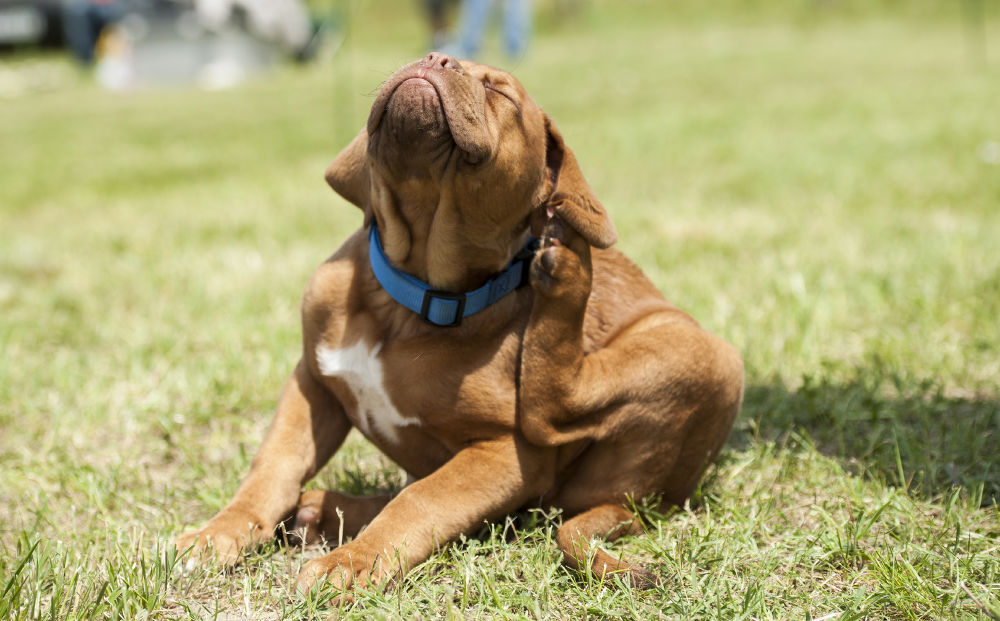
If your four-legged friend is suspected of having an ear infection, it is best to make an appointment with the vet right away. If left untreated, the inflammation can become chronic and the dog can experience permanent pain.
If your dog has ear infections on a regular basis, seek advice from your veterinarian about long-term treatment and prevention. To prevent symptoms, make sure you take good care of your dog’s ears and only use home remedies after consulting your vet.