High temperatures, strong sunlight, and extreme heat are on the no-go list for four-legged friends. No wonder, because overheating of the small body leads to heatstroke and sunstroke. Under certain circumstances, this can have life-threatening or even fatal consequences. This is where owners can find out what to do in the event of heatstroke in dogs.
Can Dogs Get Sun Stroke?
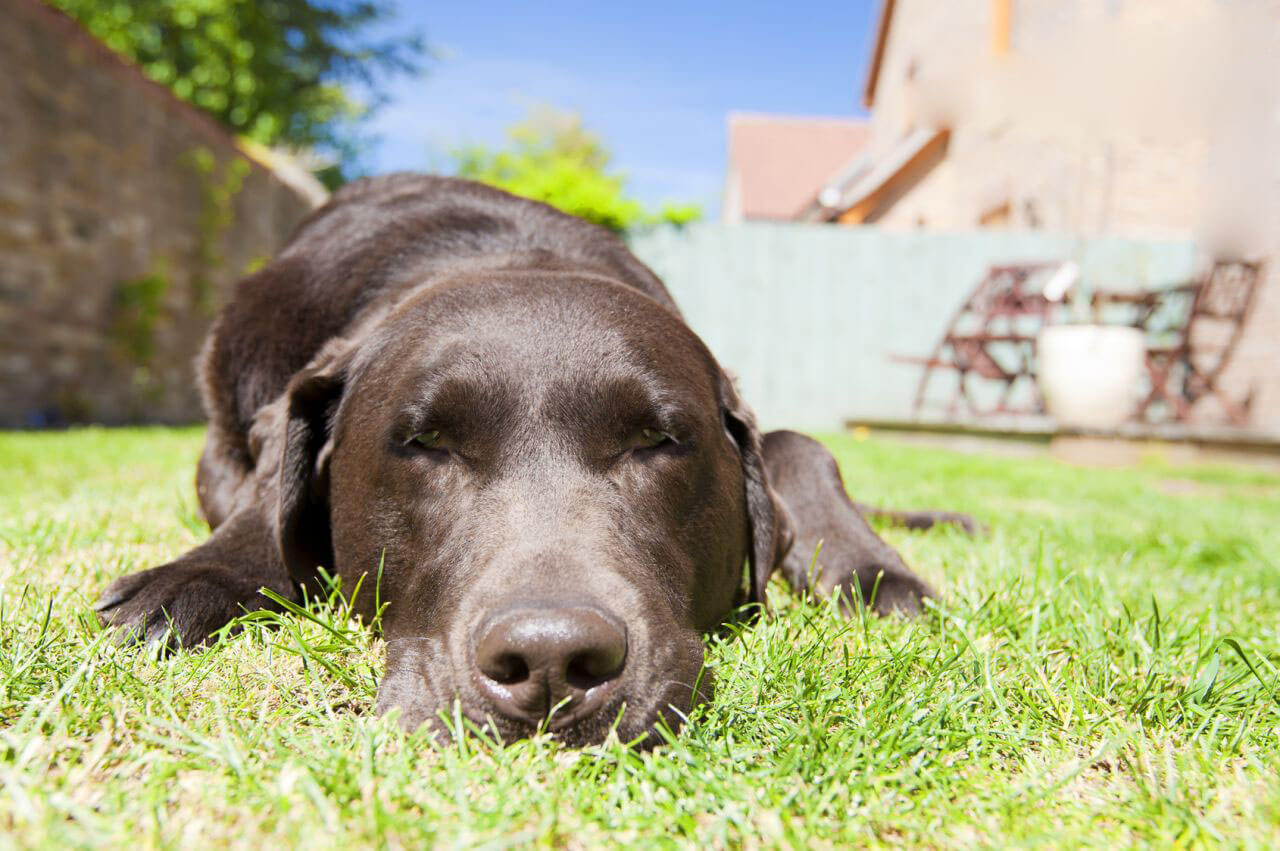
- Heat and the associated high temperatures are not healthy for the dog’s body.
- In an emergency, heatstroke leads to a life-threatening circulatory disorder or to heat death.
- Heatstroke is a veterinary emergency and should always be treated by a veterinarian.
- Animals must never be left alone in the car or locked in other stuffy rooms in summer.
Heatstroke in the dog: what is it?
The sun shines from the sky, the temperatures quickly reach 30 ° C and there are no clouds anywhere. This is a dream scenario for humans, a nightmare for the little four-legged friend. Basically, dogs are not summer fans. Because if they are exposed to direct sunlight for longer, the dog’s body temperature rises immediately. That is why it is not uncommon for pets to be out and about with panting tongues at this time of the year.
Normally, this is not a worrying behavior, because it is part of dog breathing. By panting, the four-legged friend gets fresh air into the body and cools down. The few sweat glands on the paws are not sufficient to regulate body temperature. Panting brings some relief in the warm season.
However, you should be alarmed if the panting does not stop or is very short of breath. Then there is usually something else behind it. Anxiety and nervousness are common causes, as is pain. In summer, the dog’s body is usually overheated.
The excess heat cannot then be given off in the body of the four-legged friend. If there is also high humidity or physical stress, the animal is usually close to a heat stroke. It doesn’t matter which breed the dog belongs to. Whether Golden Retriever or Pug, heatstroke can overtake any four-legged friend that is exposed to high temperatures for too long.
Features: This is how you can recognize heatstroke in a dog
Heatstroke in dogs occurs at a body temperature of approx. 40 ° C. At this stage, he already has circulatory problems. If the temperature rises by another three degrees, the animal’s life is in acute danger. Due to the high body temperature, the little darling dries out from the inside. If your dog behaves in the following way when it is hot, it is probably heatstroke:
- restless movements
- short of breath, strong or shallow panting
- nervous search for a place in the shade
- discolored mucous membranes
- profuse salivation
- increased body temperature
- cramps
The next stage is characterized by a state of exhaustion in the dog. He may begin to stumble, be listless, or the dog may vomit in the heat. Unconsciousness is the final stage. It already clearly shows that the four-legged friend has suffered a heat collapse. If the brain swells from overheating, this is a symptom of brain edema in dogs.
Help measures for heatstroke in dogs: what to do?
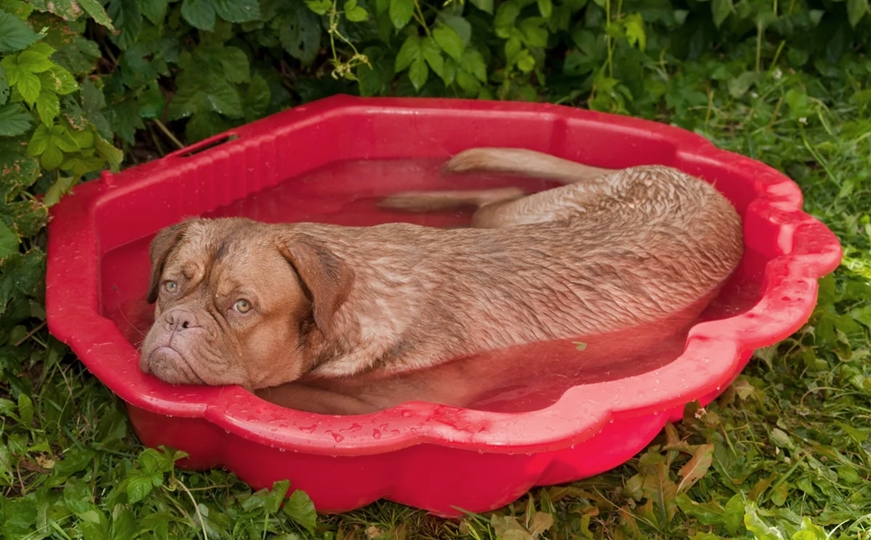
If the dog has diarrhea from the heat or any of the other symptoms listed, a quick response is required. With these immediate measures, owners can help their four-legged friends in this dangerous situation:
Stage: restless, panting
- go to a shady, cool place immediately
- avoid the blazing sun
- provide sufficient cold water
- calm the dog down
Stage: overheated, staggering
- Use fresh, fresh water to cool down the body with wet towels (not ice cold)
- First, cool the paws, then slowly work your way up to the head and neck
- Give water to drink and check vital signs
- Go to the vet
Stage: unconscious
- bring into a stable lateral position (shock position)
- avoid stress and put your dog on a cold towel
- possibly ask for help with transport
- bring it to the veterinarian immediately
Prevent extreme temperatures and cool the dog down
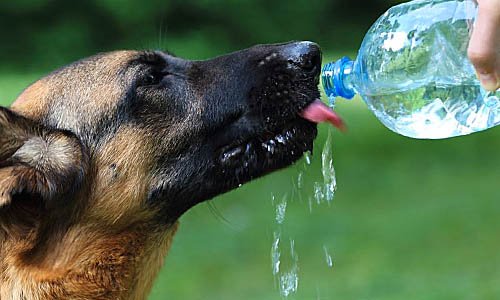
Don’t let it get that far and prevent your dog from developing heat stroke. The following measures are recommended:
- Fresh water and sufficient water should always be freely accessible to the dog.
- A cooling mat helps the four-legged friend to regulate the temperature.
- Keep your four-legged friend away from direct sunlight and bring the dog back into the cool in good time.
- At lunchtime, walks and romping should be avoided. Postpone these activities to the cooler morning or evening hours.
- A shady place ensures that the animal can lower its body temperature again.
- Cycling with the dog should be avoided in the hot season.
- A bottle of drinking water for the fur nose should not be missing on the way
- For emergencies, owners should be prepared with a self-cooling compress and ideally always have it with them.
- Never leave your four-legged friend locked in a stuffy room or in the car – not even for five minutes or with the windows open.
In general, it is important in the warm season to give your four-legged friend enough rest and breaks. After playing and romping around, it helps to cool off your paws with a damp towel. This is very helpful to prevent overheating.